sand live oak Care (Quercus geminata)

sand live oak

About sand live oak

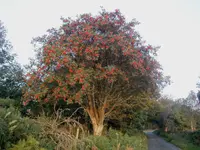
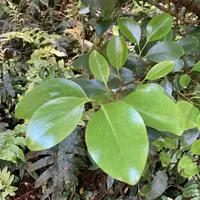
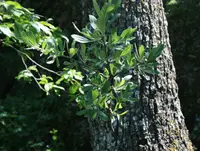
Sand live oak (Quercus geminata) is a slow-growing evergreen oak tree native to coastal areas of the southeastern United States. It commonly forms low, wide crowns with twisting, wind-shaped branches and thick, leathery leaves.

This species is adapted to sandy, well-drained soils and is very tolerant of drought, wind, and salt spray. These traits make it a durable landscape choice in coastal and dry, warm regions.

Because of its slow growth and eventual size, it suits long-term plantings rather than small gardens. Anyone who wants to learn how to care for sand live oak should first consider available space, sun exposure, and soil drainage.

Main Plant Requirements

Care Difficulty

Moderate Care

Light Preference

Full Sun

Water Requirements

Low Water

Temperature Preference

Warm Climate

Hardiness Zone

8–10

Soil Texture

Sandy, Loamy, Rocky

Soil pH

Acidic (5.5–6.5), Slightly acidic (6.5–7.0)

Soil Drainage

Well-drained

Fertilization

Minimal (feed rarely)

Get Personalized Care Plan

Scan your plant to receive care tips personalized for your specific plant

Available on iOS and Android

How to Care for the sand live oak

Quercus geminata thrives in bright, open sites with long daily sun exposure.

  • Provide 6–10 hours of direct sun daily; full sun is best for dense foliage and strong branching.
  • Tree tolerates light to moderate partial shade, especially with morning sun and some afternoon filtered light, but growth will be slower and canopy looser.
  • In hot inland areas, protect young trees from intense late-afternoon sun to reduce leaf scorch, while ensuring winter sun exposure for steady year-round photosynthesis; this supports growing sand live oak.

This oak prefers dry to moderately dry conditions once established, with careful watering during the first years.

  • During the first 1–3 years, water deeply when the top 5–8 cm of soil is dry, then allow soil to drain fully before the next watering.
  • Mature trees in well-drained, sandy soil usually rely on rainfall; supplemental water is needed only after prolonged drought when leaves dull, curl slightly, or new growth stalls.
  • Avoid soggy or compacted soil; yellowing leaves, dieback on small twigs, or persistent surface wetness suggest overwatering and poor drainage that should be corrected.

This species is adapted to warm, coastal climates with mild winters and hot summers.

  • Optimal growth occurs around 70–90°F (21–32°C), with stable warmth supporting steady leaf production and root activity.
  • Established trees tolerate brief lows to about 15–20°F (-9 to -6°C), but young plants suffer damage below 25°F (-4°C) and benefit from wind protection.
  • The tree copes well with summer heat up to 95–100°F (35–38°C) if soil is well drained; combined extreme heat and drought can cause marginal leaf scorch and early leaf drop.

Humidity is rarely a limiting factor for Quercus geminata, which adapts well to typical outdoor conditions in most US regions.

  • Target 30–60% humidity, which matches its native coastal and sandy habitats.
  • The tree tolerates dry air but may show humidity stress as marginal leaf browning and slower new growth in very arid, windy sites.
  • To reduce moisture loss in exposed spots, use windbreaks, mulch the root zone 5–8 cm deep, and avoid heat-reflective hardscape near the tree.

Quercus geminata prefers lean, very well-drained soils that mimic its native sandy coastal habitats.

  • Use sandy or sandy-loam soil with low to moderate organic matter; structure should crumble easily in the hand, not form sticky clods.
  • Ensure rapid drainage; aim for soil that drains within 1–2 hours after soaking and never stays waterlogged around the root zone.
  • A suitable mix for planting sites is roughly 60–80% sand with the rest split between compost and fine pine bark to retain some moisture without clogging pores.
  • Keep pH slightly acidic to neutral, around 5.5–7.5, and avoid heavy clay, compacted subsoil, or any location where water collects after rain.

This species can be grown in containers for a limited time, mainly as a juvenile tree or for nursery staging.

  • Choose a deep, heavy container to counter the tree’s eventual top-heavy growth and to provide enough vertical space for the taproot to develop initially.
  • Use a gritty mix, such as 50% coarse sand with bark-based potting substrate, to keep drainage fast and prevent chronic root-zone saturation.
  • Place the container where wind exposure is reduced or secure it with blocks, since the dense canopy can act like a sail and topple light pots.

This coastal oak usually thrives in poor, sandy soils and needs minimal fertilization once established.

  • For young trees or container plants, use a balanced slow-release fertilizer (such as 10-10-10) at 1/2 label strength in early spring.
  • Apply again in midsummer only if growth appears weak or foliage pale; avoid overfeeding to prevent weak, lush growth.
  • In the ground, a light top-dressing of compost over the root zone once a year is usually sufficient.
  • Stop feeding sand live oak in late summer to avoid tender late growth going into cooler weather.

Quercus geminata benefits from thoughtful structural pruning to keep it healthy and safe.

  • Carry out main pruning in late winter to early spring before new growth starts, avoiding extreme heat periods.
  • Remove dead, diseased, crossing, or storm-damaged branches first to reduce decay and improve airflow.
  • Thin crowded interior branches carefully to define a stable main framework and maintain desired canopy spread.
  • Use clean, sharp bypass pruners or a pruning saw, making smooth cuts just outside the branch collar.

This oak is usually grown in the ground, so focus on careful transplanting of young trees rather than frequent repotting.

  • Transplant in late fall or very early spring, when temperatures are mild and the tree is less stressed.
  • Look for roots circling the container or emerging from drainage holes as a sign that a nursery plant needs a larger site.
  • Handle the root ball gently; loosen only lightly, and keep roots moist from digging until planting is complete.
  • Plant at the same soil level, water deeply, then mulch 5–8 cm over the root zone, keeping mulch off the trunk.

Propagation of this oak is typically done from seed and is considered slow and specialized rather than routine home practice.

  • Collect fresh acorns in fall, choosing full, undamaged seeds that sink in water and discarding floaters.
  • Sow acorns promptly 2–3 cm deep in deep pots or nursery beds with well-drained sandy soil.
  • Provide cool but not freezing conditions and consistent moisture; germination often occurs the following spring.
  • Protect seedlings from rodents and heavy sun, then grow on in containers for 1–2 years before planting out.

This species is quite cold hardy in its native range and usually needs little dedicated winter care in the ground.

  • In areas near its hardiness limit, apply a 5–8 cm mulch layer over the root zone to buffer soil temperature.
  • For young or container trees, move pots into an unheated garage or sheltered spot during freezes.
  • Avoid heavy pruning or high-nitrogen feeding late in the season so new growth hardens before winter.

Care Tips

Establish deep roots

During the first 2–3 years, give one slow, deep soak every 2–4 weeks in dry periods rather than frequent light watering to encourage a deep, wind-resistant root system.

Windward branch training

In windy sites, selectively thin and shorten long, top-heavy branches on the windward side while the tree is young to reduce future storm breakage and create a more compact, balanced crown.

Mulch for sand soils

Maintain a 5–8 cm layer of coarse, uncolored wood mulch in a wide ring around the tree (kept 10–15 cm away from the trunk) to moderate soil temperature, reduce erosion, and support beneficial soil fungi in very sandy ground.

Acorn and seedling management

Rake or blow excess acorns yearly and remove unwanted self-sown seedlings promptly so energy and space are directed to the main tree rather than to dense volunteer growth.

Salt and drought adaptation

In coastal or very dry sites, avoid supplemental fertilization and rely on light, infrequent deep watering so the tree keeps its natural tolerance traits, which is important when growing sand live oak in exposed landscapes.

Common Pests and Diseases

Oak leaf blister

This disease causes raised, blister-like, pale green to yellow spots on leaves that can later turn brown and distorted. Symptoms include scattered damage across the canopy but rarely severe defoliation in sand live oak.

Solution

Prune and destroy heavily infected leaves on small trees to reduce inoculum, and avoid overhead irrigation that keeps foliage wet. For established landscape trees, management usually focuses on maintaining overall vigor with proper watering and mulching; fungicide sprays are rarely needed and are only useful if applied preventively just as new leaves emerge in early spring.

Lichens on bark

These organisms form gray, green, or bluish crusty or leafy patches on branches and trunks, often more visible on older sand live oaks. Symptoms include rough, mottled bark surfaces but no direct injury to the living tissue beneath.

Solution

No chemical control is needed because lichens do not harm the tree; they simply use the bark as a surface. Improve tree vigor with proper watering, mulching, and pruning of dead branches, and if desired for aesthetics, gently brush off loose patches without damaging the bark.

Oak leaf miner

These insects create narrow, winding, pale trails or blotches within leaves where larvae feed between the leaf surfaces. Symptoms include cosmetic leaf damage that may cause premature leaf drop under heavy infestation.

Solution

Rake and dispose of fallen leaves to reduce overwintering larvae and pupae. On small trees, remove and destroy heavily mined leaves early in the season, and encourage beneficial predators and parasitoid wasps by avoiding broad-spectrum insecticides that can disrupt natural control.

Scale insects

This pest appears as small, immobile bumps on twigs and leaves, sometimes accompanied by sticky honeydew and sooty mold. Symptoms include thinning foliage, twig dieback, and overall decline when heavy populations are present.

Solution

On lightly infested branches, prune out and discard affected twigs and gently scrub remaining scales off with a soft brush and water. For larger trees, a horticultural oil spray applied during dormant or cool periods can smother scales, and maintaining tree vigor with proper watering and mulch supports recovery as part of broader Quercus geminata plant care.

Interesting Facts

Adaptation to hot sand

This oak has thick, strongly revolute leaves whose edges roll under, reducing water loss and protecting the lower surface from intense sun and wind in coastal dune habitats.

Key dune stabilizer

Its low, gnarled growth form and deep roots help anchor shifting coastal sands in the southeastern United States, making it an important species in stabilizing dune and scrub ecosystems.

Specialist leaf miners

The leaves host several specialist moth larvae and other leaf-mining insects that are closely associated with this oak and use it as their primary or exclusive food source.

Botan icon

Did you know?

In many coastal scrub areas of Florida, sand live oak forms nearly pure, wind-sheared thickets called oak scrub or oak domes that create distinctive microhabitats with cooler, moister conditions beneath the dense canopy compared with the surrounding open sand.

FAQs about sand live oak

This species grows slowly to moderately, often adding about 15–30 cm in height per year once established. Growth is slower on very dry, nutrient-poor sites and somewhat faster in slightly deeper, well-drained sandy soils.

Grow Healthy Plants with Botan Care

Keep your plants happy and healthy with plant identification, disease detection, and easy care guidance.

Botan plant care app — identify plants on mobile

Explore More Plants