showy penstemon Care (Penstemon spectabilis)

Also known as: Showy Beardtongue
showy penstemon

About showy penstemon

Showy penstemon (Penstemon spectabilis) is a perennial wildflower native to dry slopes and open scrub in the southwestern United States. It belongs to the plantain family and is adapted to arid, sunny sites.

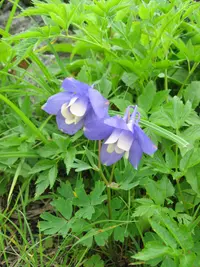
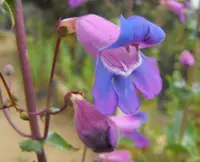
The plant forms upright clumps with tall spikes of tubular lavender to purple flowers that attract hummingbirds and native bees. Its foliage is typically blue‑green and somewhat waxy, which helps reduce water loss.

Gardeners value showy penstemon for its strong drought tolerance and preference for well‑drained, often sandy or rocky soil. Once established, it generally needs little supplemental water and benefits from full sun, which makes it relatively easy to care for showy penstemon in suitable climates.

Main Plant Requirements

Care Difficulty

Moderate Care

Light Preference

Full Sun

Water Requirements

Low Water

Temperature Preference

Cold Hardy

Hardiness Zone

7–10

Soil Texture

Sandy, Loamy, Rocky

Soil pH

Slightly acidic (6.5–7.0), Neutral (7.0)

Soil Drainage

Well-drained

Fertilization

Minimal (feed rarely)

Get Personalized Care Plan

Scan your plant to receive care tips personalized for your specific plant

Available on iOS and Android

How to Care for the showy penstemon

This sun-loving perennial thrives in bright, open conditions typical of dry western landscapes.

  • Provide 6–8 hours of direct sun daily; showy penstemon performs best with full morning sun and some protection from intense late-afternoon summer sun in very hot regions.
  • Tolerates light partial shade (3–4 hours sun), but flowering and stem strength decline if shade increases or if nearby plants cast dense shadows.
  • In cooler seasons or coastal climates, full sun all day is ideal; in heatwaves, temporary light shade cloth or neighboring plants can reduce leaf scorch and stress.

This species is drought-tolerant and prefers infrequent, deep watering in sharply drained soil.

  • Outdoors in established beds, water only when the top 5–7 cm of soil are completely dry; in many dry climates this can mean every 10–21 days depending on heat and wind.
  • Use fast-draining, gritty soil or amended native soil; puddling around the crown, persistent surface gloss, or a sour smell indicate overwatering and poor drainage.
  • Allow slightly more frequent watering for new transplants during the first 4–6 weeks, then reduce; wilting that improves at night suggests underwatering, while yellowing lower leaves and root softness suggest excess moisture for Penstemon spectabilis.

This plant is adapted to warm, dry regions with cool winters and tolerates a fairly wide temperature range.

  • Active growth and flowering occur best around 65–80°F (18–27°C); short hot spells up to about 90°F (32°C) are tolerated if soil is dryish and air movement is good.
  • Mature plants usually withstand winter lows to about 15–20°F (-9 to -6°C) in well-drained soil; colder zones benefit from mulch to protect the root crown.
  • Avoid prolonged frost pockets and extreme heat above 95°F (35°C); combine full sun with excellent drainage so roots stay cool and dry during hot summers and wet winters.

This species is adapted to dry air and does not have specific humidity requirements indoors or outdoors.

This species prefers very well-drained, low-fertility soil that mimics its native rocky slopes.

  • Use a sandy or gravelly loam with plenty of mineral content and minimal peat or rich compost.
  • Aim for slightly acidic to slightly alkaline conditions, around pH 6.5–7.5, as Penstemon spectabilis tolerates a broad range.
  • Improve aeration and drainage by mixing coarse sand, fine gravel, or pumice into any existing loam.
  • Avoid compacted, clay-heavy, or consistently wet soil, which quickly leads to root and crown rot.

This plant can be grown in containers if drainage is excellent and soil stays on the dry side between waterings.

  • Choose a deeper, narrow pot to support the taproot while limiting excess volume that could hold water too long.
  • Use a gritty, fast-draining mix, such as cactus mix blended with extra pumice or coarse sand, to prevent waterlogging.
  • Select a heavy or terracotta container to reduce moisture retention and keep the tall flowering stems stable in wind.

This drought-adapted native needs only light feeding in most garden soils.

  • Use a thin top-dressing of compost or a low-dose balanced NPK fertilizer (around 5-5-5) in early spring to support growing showy penstemon.
  • Apply once at the start of the growing season; avoid repeated high-nitrogen feeds that cause weak, leafy growth.
  • Dilute liquid fertilizers to 25–50% strength if used, always on moist soil to limit root burn.
  • Skip feeding in late fall and winter so growth can harden and the plant remains compact.

Pruning Penstemon spectabilis focuses on extending bloom, maintaining shape, and removing stress on the plant.

  • Deadhead spent flower spikes through the blooming season to encourage additional flowering and a tidier form.
  • In late fall or very early spring, cut back dead or winter-damaged stems to low, healthy growth.
  • Remove crossing, crowded, or weak shoots with clean, sharp hand pruners to improve air flow and reduce disease.
  • Avoid cutting into the oldest woody base; leave some leafy stems to support vigorous regrowth.

This species is usually grown in the ground, with transplanting done carefully to avoid disturbing its taproot.

  • Transplant in early spring or early fall when temperatures are mild and soil moisture is steady.
  • Move only when needed, such as crowded clumps or poor performance, since older plants dislike major root disturbance.
  • Water the planting area thoroughly before lifting, then keep as much soil around the root system as possible.
  • Replant at the same depth in well-drained soil, water in gently, and shade lightly for 3–5 days to reduce stress.

Penstemon spectabilis is commonly propagated from seed and softwood cuttings under the right seasonal conditions.

  • Sow fresh seed in late fall outdoors or use cold stratification (chilling) for 4–6 weeks before spring sowing.
  • Use a sharply drained, sandy mix and keep it just moist; provide bright light and 60–70°F for steady germination.
  • Take softwood stem cuttings in late spring to early summer from non-flowering shoots.
  • Dip cut ends in rooting hormone, insert into a gritty, moist medium, and maintain high humidity with good air movement.

This species is fairly cold hardy in much of its range and usually needs only modest winter care in the ground.

  • In climates with wet, cool winters, prioritize excellent drainage to prevent root rot in saturated soil.
  • Apply a light, breathable mulch around (not against) the crown to buffer freeze–thaw cycles.
  • Leave some stems standing over winter to shield the crown, then cut back dead growth in late winter.
  • For container plants in colder zones, move pots to a sheltered, unheated garage or porch to avoid deep freezing.

Care Tips

Encourage Compact Growth

Pinch back soft stem tips just after flowering on young plants to encourage bushier growth and more flowering stems the following season.

Summer Heat Protection

In very hot, reflective sites, place a light gravel or rock mulch around the root zone to keep roots cooler while still providing the excellent drainage this species needs.

Renew Aging Clumps

Every 3–4 years, replace older, woody plants with fresh nursery stock or cuttings taken from vigorous non-flowering stems to maintain strong bloom performance.

Support In Windy Sites

In exposed gardens, insert low, unobtrusive ring stakes or short twiggy branches around the plant early in the season so tall flowering stems are supported before strong winds arrive.

Lean Nutrition Strategy

When preparing a site for growing showy penstemon, mix in a small amount of coarse sand or fine gravel instead of rich compost to discourage overly lush, weak growth that flops or rots in wet weather.

Common Pests and Diseases

Spider mites

This pest often appears in hot, dry conditions and feeds on leaf sap, causing stippling, bronzing, and fine webbing on foliage. Symptoms include slowed growth and leaves that look dusty or speckled.

Solution

Rinse plants thoroughly with a strong stream of water, especially the undersides of leaves, and repeat every few days. If populations remain high, use insecticidal soap or a horticultural oil labeled for mites and reduce plant stress by avoiding excessive drought while still keeping soil well drained.

Aphids

These insects cluster on new growth and flower spikes, sucking sap and excreting sticky honeydew that can lead to sooty mold. Symptoms include distorted shoots, sticky residue, and reduced flowering quality.

Solution

Spray stems and flower spikes with water to dislodge colonies, then apply insecticidal soap or a neem-based product to actively feeding aphids. Encourage lady beetles and other natural predators by avoiding broad-spectrum insecticides and by limiting high-nitrogen fertilization that encourages soft, aphid-prone growth.

Leaf spot

This disease produces small brown to tan lesions on leaves, sometimes with darker margins, which can coalesce and cause premature leaf drop. Symptoms include thinning foliage on lower stems, especially in crowded or poorly ventilated plantings.

Solution

Remove and discard affected leaves and any dense plant debris at the base to reduce inoculum. Improve spacing and airflow, avoid overhead watering, and in severe or recurring cases apply a labeled ornamental fungicide early in the season, following all label directions as part of broader Penstemon spectabilis plant care.

Powdery mildew

This disease appears as white, powdery patches on leaves and stems, which can cause leaf yellowing and reduced flowering if severe. Symptoms include a dull, chalky coating that spreads during periods of warm days and cooler nights.

Solution

Increase air circulation by thinning nearby plants and avoiding overhead irrigation late in the day. Remove heavily infected foliage and, if needed, use a sulfur or potassium bicarbonate fungicide labeled for ornamental powdery mildew, applying at the first sign of symptoms.

Interesting Facts

Hummingbird-specialized flowers

The tubular, bright lavender to violet flowers are shaped and positioned to favor hummingbird pollination, with nectar held deep in the corolla so only long-billed visitors can easily reach it.

Southern California native range

This species is naturally distributed in coastal sage scrub and chaparral of southern California and northern Baja California, where it is adapted to dry, rocky slopes and seasonally low rainfall.

Fire-following behavior

In its native chaparral habitats, it often appears in greater numbers after wildfires, taking advantage of increased light and reduced competition while native shrubs recover.

Botan icon

Did you know?

Penstemon spectabilis is one of the visually dominant spring wildflowers along parts of the Pacific Crest Trail and other low-elevation trails in southern California, where dense stands can turn entire hillsides violet during peak bloom years.

FAQs about showy penstemon

This species usually flowers in late spring to early summer, often from April to June, depending on climate. Individual flower spikes bloom sequentially, so the overall display can last 3–6 weeks under suitable conditions.

Grow Healthy Plants with Botan Care

Keep your plants happy and healthy with plant identification, disease detection, and easy care guidance.

Botan plant care app — identify plants on mobile

Explore More Plants