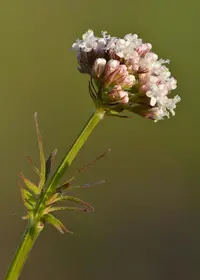
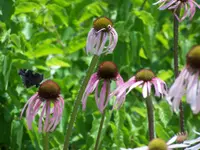
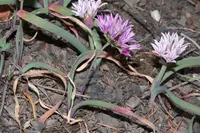
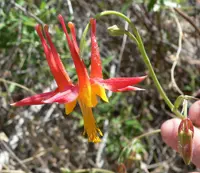
fan columbine Care (Aquilegia flabellata)

fan columbine

About fan columbine

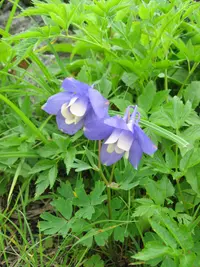
Fan columbine (Aquilegia flabellata) is a compact, herbaceous perennial grown mainly for its nodding, two-toned flowers and delicate, fan-shaped foliage. It forms low mounds that fit well in small borders, rock gardens, and containers. This species is native to mountainous regions of East Asia, where it grows in cool, well-drained, often rocky soils. In gardens it prefers light shade to morning sun, consistent moisture, and soil that does not stay waterlogged. Fan columbine is generally considered easy to grow in temperate climates if given protection from hot, dry conditions. Once you understand how to care for fan columbine, it can become a reliable spring bloomer that returns for several years.

Main Plant Requirements

Care Difficulty

Moderate Care

Light Preference

Partial Shade

Water Requirements

Moderate Water

Temperature Preference

Cold Hardy

Hardiness Zone

3–9

Soil Texture

Loamy, Sandy, Organic-rich

Soil pH

Acidic (5.5–6.5), Slightly acidic (6.5–7.0)

Soil Drainage

Moist but well-drained

Fertilization

Minimal (feed rarely)

Get Personalized Care Plan

Scan your plant to receive care tips personalized for your specific plant

Available on iOS and Android

How to Care for the fan columbine

This compact perennial prefers cool conditions with bright but gentle light.

  • Provide 4–6 hours of morning sun with light afternoon shade; east-facing or dappled woodland edges suit fan columbine well.
  • Tolerates partial shade, especially in warmer zones; flowering may decrease if it receives less than 3–4 hours of direct or filtered sun.
  • In hot summers, protect from harsh afternoon sun to prevent leaf scorch; in cooler climates it tolerates more direct light during spring and fall.

This species likes steady moisture in well-drained soil, without staying soggy.

  • Water when the top 3–5 cm of soil feels dry, aiming for evenly moist but not waterlogged conditions, especially during active spring growth.
  • Reduce watering after flowering and in cool, rainy periods; allow the surface to dry a bit more to limit root rot risk.
  • Signs of underwatering include limp, browning leaf edges, while yellowing, soft foliage or a sour soil smell indicate excess moisture around Aquilegia flabellata roots.

This hardy perennial tolerates cool climates but performs best in moderate temperatures.

  • Ideal growing temperatures are around 55–70°F (13–21°C), which support strong foliage and abundant spring flowering.
  • Fully hardy in many temperate regions, it survives winter frosts down to about 0°F (−18°C) once established, especially with mulch over the root zone.
  • Heat above 80–85°F (27–29°C) can stress plants; provide afternoon shade and consistent soil moisture in hot spells to reduce leaf scorch and premature dieback.

This species is adaptable and usually handles typical outdoor humidity without special measures.

  • Prefers 40–60% humidity, similar to many temperate garden conditions.
  • Tolerates short periods of drier air but may show browning leaf edges and quicker wilting in hot, dry wind.
  • In unusually dry climates, group fan columbine with other plants and use organic mulch to reduce moisture loss around foliage and roots.

Aquilegia flabellata grows best in loose, moisture-retentive but free-draining soil.

  • Use a loamy mix with 40–60% garden soil, 20–30% compost, and 20–30% perlite or coarse sand for structure and drainage.
  • Aim for slightly acidic to neutral pH around 6.0–7.0 to support nutrient availability and root activity.
  • Improve aeration in heavy clay by incorporating coarse grit and well-rotted compost through the top 20–25 cm before planting.
  • Avoid compacted, waterlogged, or very sandy soils that either suffocate roots or dry out within a few hours after watering.

This species is suitable for container growing when moisture and drainage are managed carefully.

  • Choose a pot at least 20–25 cm deep to allow the taproot and fibrous side roots to spread without curling tightly at the base.
  • Select a heavier material like ceramic or clay if the site is windy so the container stays stable as foliage fills out.
  • Raise the pot on feet or bricks outdoors so drainage holes stay clear and excess water escapes quickly after rain or watering.

This compact perennial benefits from light feeding rather than heavy fertilization.

  • Apply a balanced, slow-release fertilizer (around 10-10-10) at half strength once in early spring as new growth starts.
  • Supplement with a thin layer of compost around the root zone in spring to improve soil structure and gentle nutrition.
  • During the growing season, use a diluted balanced liquid feed every 4–6 weeks if growth appears weak or soil is poor.
  • Stop feeding fan columbine in late summer and avoid fertilizing during winter dormancy to prevent soft, frost-prone growth.

Pruning Aquilegia flabellata is mainly used to tidy plants and support repeat flowering.

  • In late spring to early summer, deadhead spent flower stems down to a leafy node to encourage a neater shape and possible rebloom.
  • Remove dead, damaged, or diseased foliage at the base using clean, sharp scissors or hand pruners to limit fungal problems.
  • Cut back the whole clump to low foliage after flowering if plants look tired, which promotes fresh leaves.
  • In late autumn, clear away collapsed stems and leaves to reduce overwintering pests and maintain a clean crown.

This species is usually grown in garden beds, so transplanting is more common than repotting.

  • Plan moves for early spring or early autumn when temperatures are mild and soil is moist but not waterlogged.
  • Transplant only every few years, when flowering declines, clumps become congested, or growth slows noticeably.
  • Lift the plant with a generous soil ball to minimize root disturbance, and replant at the same depth in well-drained soil.
  • Water thoroughly after transplanting, then keep evenly moist and shaded from strong sun for 1–2 weeks to reduce transplant shock.

New plants are most often raised from seed, with division used occasionally for established clumps.

  • Sow fresh seeds in late summer to autumn in trays kept cool, as germination improves after a natural cold period called stratification.
  • Provide bright, indirect light and lightly moist, not wet, substrate until seedlings emerge and develop several true leaves.
  • Transplant seedlings carefully to individual pots or a nursery bed, handling by the leaves rather than fragile stems.
  • Divide older clumps in early spring, splitting large crowns into a few sections with good roots, then replant promptly and water well.

Aquilegia flabellata is generally cold hardy and needs minimal winter attention in temperate climates.

  • After hard frosts, cut back dead stems at ground level to keep the crown clean and reduce fungal issues.
  • Apply a light mulch layer (2–5 cm) of compost or leaf mold around, not over, the crown to buffer freeze–thaw cycles.
  • For container plants in very cold regions, move pots to a sheltered, unheated spot to prevent rootball freezing and cracking.

Care Tips

Deadhead In Stages

Remove only the spent flowering stems back to a low basal leaf cluster every week during bloom, which encourages repeat flowering while still leaving some seed heads if self-sowing is desired.

Timed Seed Collection

If you want controlled reseeding, bag a few drying seed heads with fine mesh or organza before they split, then collect and sow the seed in late summer where new plants are wanted.

Crown Protection Mulch

Apply a thin, open-textured mulch such as shredded bark or leaf mold around but not on top of the crown, which keeps roots cool, limits heaving in freeze–thaw cycles, and reduces weed competition.

Prevent Leaf Miner

Inspect foliage weekly in spring for pale, winding tunnels, then promptly remove and dispose of affected leaves before larvae mature, which greatly reduces leaf miner pressure in subsequent years.

Gentle Clump Renewal

Instead of full division, lift and reset only the outer vigorous sections of older clumps every 4–5 years, replanting them into refreshed soil to maintain strong flowering while minimizing transplant shock when growing fan columbine.

Common Pests and Diseases

Columbine leaf miner

This pest tunnels inside the leaf tissue, creating pale, winding trails that distort and weaken the foliage. Symptoms include cosmetic damage that can be extensive on older leaves.

Solution

Remove and discard mined leaves as soon as trails appear to break the insect life cycle, and clean up all fallen columbine leaves at the end of the season. In heavier infestations, use a systemic insecticide labeled for ornamental perennials early in spring before new larvae enter the leaves, and avoid overhead watering that keeps foliage wet and more susceptible to stress.

Columbine sawfly

These insects feed on the leaf edges and can skeletonize columbine foliage quickly, leaving only veins behind. This damage often appears in late spring to early summer on compact fan columbine plants.

Solution

Inspect plants frequently in late spring, handpick larvae, and drop them into soapy water before damage becomes severe. For larger populations, use a contact insecticide such as insecticidal soap or a pyrethrin product, applied thoroughly to the undersides of leaves according to label directions.

Powdery mildew

This disease causes a white, powdery coating on leaves, often starting on lower or shaded foliage and leading to yellowing and premature leaf drop. Symptoms include reduced vigor and poorer flowering if the problem recurs each year.

Solution

Improve air circulation by spacing plants correctly and thinning dense clumps, and water at soil level to keep leaves dry. Remove heavily affected leaves, dispose of them in the trash, and if needed apply a fungicide labeled for powdery mildew on ornamentals as soon as the first white patches appear.

Rust

This disease produces orange or brown pustules on the undersides of leaves with matching pale or yellow spots on the upper surface. Symptoms include early leaf drop and a general decline in appearance, especially in humid conditions.

Solution

Remove and discard infected leaves as soon as rust spots appear and keep the area around the plant free of fallen debris. Avoid overhead watering, increase airflow, and in recurrent cases use a protective fungicide labeled for rust on perennials early in the season as part of Aquilegia flabellata plant care.

Interesting Facts

Compact alpine origin

This species is naturally native to rocky, mountainous regions of Japan, where it grows as a compact alpine plant adapted to cold winters and sharp drainage.

Distinctive fan-shaped foliage

Its common name, fan columbine, comes from its low, fan-like rosettes of bluish-green leaves, which are broader and more densely arranged than in many taller columbine species.

Low-growing rock garden form

Unlike many columbines that reach 45–90 cm, this species typically forms neat mounds around 15–25 cm tall, making it a long-used choice for rock gardens, troughs, and the front of borders.

FAQs about fan columbine

This species is highly attractive to bees, small butterflies, and especially hummingbirds, which can reach the nectar in its nodding, spurred flowers. Planting several together provides a reliable early-season nectar source in mixed borders.

Grow Healthy Plants with Botan Care

Keep your plants happy and healthy with plant identification, disease detection, and easy care guidance.

Botan plant care app — identify plants on mobile

Explore More Plants