Alpine-style siting
Place plants in a raised rock garden, trough, or crevice bed so excess water drains away rapidly and the crown never sits in pooled moisture.

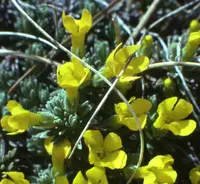
Androsace vitaliana is a compact alpine perennial forming low, dense cushions of small, narrow leaves. In spring to early summer it produces bright yellow, star-shaped flowers that cover the mound. Native to high mountain regions of Europe, it naturally grows in rocky, well-drained slopes and crevices exposed to strong light and cool air. This background makes it best suited to rock gardens, troughs, or other settings that mimic alpine conditions. It can be demanding in hot, wet climates, as it dislikes heat and prolonged moisture around the roots. Gardeners who learn how to care for Androsace vitaliana often succeed by providing sun, sharp drainage, and protection from excessive summer humidity.

Care Difficulty
Hard Care

Light Preference
Full Sun

Water Requirements
Low Water

Temperature Preference
Cold Hardy

Hardiness Zone
3–7

Soil Texture
Sandy, Loamy, Rocky

Soil pH
Slightly acidic (6.5–7.0), Neutral (7.0)

Soil Drainage
Well-drained

Fertilization
Minimal (feed rarely)
Scan your plant to receive care tips personalized for your specific plant
Available on iOS and Android
This alpine cushion plant prefers bright, cool conditions with plenty of direct light in open rock gardens or scree beds.
This species needs careful watering that mimics its naturally rocky, fast-draining mountain habitat.
This hardy alpine thrives in cool conditions and tolerates substantial cold, provided the roots stay well drained.
This alpine species prefers dry air and does not need elevated humidity.
This plant needs sharply drained, gritty soil that mimics alpine scree conditions.
This species is suitable for container growing, especially in rock garden troughs or shallow pans.
This alpine cushion plant needs only modest feeding in lean, very well-drained soil.
Pruning needs for this compact alpine are minimal and focus on cleanliness and maintaining the cushion shape.
This species prefers stable conditions and resents frequent disturbance, so repotting or transplanting should be infrequent and gentle.
Propagation is usually done on a small scale, using fresh seed or careful division of mature cushions.
This alpine is quite cold hardy in well-drained rock garden conditions and usually needs only modest winter care.

Plant Health Check
Not sure what's wrong with your plant? Check your plant's health inside the app.
This species is naturally restricted to high mountain ranges in southern and central Europe, where it grows on exposed, rocky ridges and alpine grasslands above the tree line.
It was long treated in its own genus Vitaliana as Vitaliana primuliflora, but molecular studies placed it firmly within Androsace, so it is now classified as Androsace vitaliana with several recognized subspecies.
The plant forms dense, low, evergreen cushions with tightly packed leaves, an adaptation that helps reduce heat loss and wind damage in harsh alpine climates.

In parts of the European Alps, some populations of this species are considered relict, meaning they are remnants of plant communities that established during colder postglacial periods and persisted in high-altitude refuges as climates warmed.
This alpine species stays very compact, forming low cushions typically 3–8 cm tall and 10–20 cm across. It slowly spreads outward rather than upward, making it suitable for rock gardens, troughs, and tight crevices.
Keep your plants happy and healthy with plant identification, disease detection, and easy care guidance.