Costus elegans Care

Costus elegans

About Costus elegans

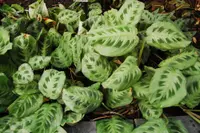
Costus elegans is a tropical perennial from Central and South America, grown mainly for its upright canes, lush foliage, and decorative flower spikes. It belongs to the spiral ginger group, forming clumps with leaves arranged in a gentle spiral around the stems.

In warm, humid conditions it produces showy, often white to pale-colored blooms at the stem tips, giving it strong ornamental value in shade gardens and indoor displays. It prefers bright, filtered light, consistent moisture, and rich, well-drained soil.

Because it enjoys warmth and humidity, it is usually grown indoors or in greenhouses in cooler climates. Understanding how to care for Costus elegans helps keep its foliage full and its growth vigorous over time.

Main Plant Requirements

Care Difficulty

Moderate Care

Light Preference

Partial Shade

Water Requirements

Keep Soil Moist

Temperature Preference

Tropical / Frost Sensitive

Hardiness Zone

10–11

Soil Texture

Loamy, Peaty, Organic-rich

Soil pH

Acidic (5.5–6.5), Slightly acidic (6.5–7.0)

Soil Drainage

Moist but well-drained

Fertilization

Light (every 4–6 weeks)

Get Personalized Care Plan

Scan your plant to receive care tips personalized for your specific plant

Available on iOS and Android

How to Care for the Costus elegans

This tropical understory species prefers bright, filtered light that mimics light through tree canopies.

  • Provide 4–6 hours of bright, indirect light daily, such as dappled shade or light screened by sheer fabric, to support steady growth and flowering for Costus elegans.
  • Allow morning sun in mild climates, but protect from strong midday and afternoon sun, which can cause leaf scorch, yellow margins, and dry, brown tips.
  • In hotter months, shift plants to deeper shade or increase shading; in darker seasons, move them to a brighter spot to prevent stretched, weak stems.

This plant favors consistently moist but not waterlogged soil throughout the growing season.

  • Water when the top 2–3 cm of soil feels dry, aiming for evenly moist soil from spring to early fall without letting the root zone become soggy.
  • Ensure soil drains well; add organic matter and avoid standing water, which leads to root rot, foul odor, and limp, yellowing stems in Costus elegans.
  • Reduce watering in cooler months when growth slows, watching for folding or crisping leaves as a sign of underwatering and mushy stems as a sign of excess moisture.

This species thrives in warm, frost-free conditions typical of lowland tropical climates.

  • Aim for 70–85°F (21–29°C) during active growth, which supports strong stems and foliage while preventing stress-related leaf drop.
  • Protect the plant from temperatures below 55°F (13°C); brief dips near this level may slow growth, but frost quickly damages shoots and rhizomes.
  • In hot spells above 90°F (32°C), increase shade and humidity and avoid hot, reflected surfaces; in cooler seasons, growth slows but rhizomes survive if kept above 55°F (13°C).

This species prefers consistently high humidity to maintain healthy foliage and active growth.

  • Aim for 60–80% humidity; growth slows and leaves may brown at edges in drier air.
  • Tolerates short periods around 40–50%, but prolonged dry air causes curled leaf tips and crispy margins.
  • Increase humidity with a room humidifier, grouped plants, or a pebble tray, rather than misting leaves directly.

This species prefers a moist, airy, organic-rich substrate that drains freely but does not dry out rapidly.

  • Use a loose mix of 50–60% peat or coco coir, 20–30% compost, and 20–30% perlite or fine bark for structure and drainage.
  • Aim for slightly acidic to neutral pH around 6.0–7.0 to support nutrient availability and stable growth.
  • Ensure water drains through within seconds; heavy, compacted, or clay-based soil leads to root suffocation and rot.
  • In containers, gently break up dense potting mixes with extra perlite or bark to improve aeration around the rhizomes of Costus elegans.

This species is well suited to container growth, especially in cooler climates or small outdoor spaces.

  • Choose a broad, stable pot to support tall, cane-like stems and prevent tipping in wind or on balconies.
  • Select a slightly deeper container than the rhizome height so roots can spread without sitting directly on the pot base.
  • Use thicker-walled plastic or glazed ceramic pots in hot areas to slow moisture loss while still providing drainage holes.

Balanced feeding supports strong growth and flowering in Costus elegans during the warm season.

  • Use a balanced liquid fertilizer (for example 10-10-10 or 20-20-20) at 1/2 strength for container plants.
  • Apply every 2–4 weeks in spring and summer when new shoots and leaves are actively forming.
  • Pause or reduce feeding to 1 application in 6–8 weeks during fall and winter dormancy.
  • Organic compost or a gentle slow-release fertilizer can be mixed into the top layer of potting mix in spring.

Pruning helps maintain a tidy clump and encourages fresh shoots on Costus elegans.

  • Best time is late winter to early spring, just before strong new growth starts.
  • Remove dead, damaged, or diseased stems at the base with clean, sharp pruners.
  • Thin out the oldest, most crowded canes to open the clump and improve air flow.
  • Lightly shaping the plant by cutting back leggy stems promotes denser foliage and better flowering.

Container-grown Costus elegans benefits from occasional repotting to refresh soil and manage clump size.

  • Check for roots circling the pot, crowded rhizomes, or slowed growth as signs it needs a larger container.
  • Plan to repot every 2–3 years in spring, using a slightly wider pot with well-draining, rich mix.
  • Slide the root ball out gently, loosen circling roots, and divide only if natural clumps separate easily.
  • Water thoroughly after repotting, keep in bright shade for 5–7 days, and avoid heavy fertilizing until new growth resumes.

Propagation of Costus elegans is usually done by division or stem cuttings during warm months.

  • Divide rhizomes in late spring, ensuring each section has at least 1–2 healthy shoots and roots.
  • Plant divisions in moist, well-draining mix, keep evenly damp, and provide bright, indirect light.
  • For stem cuttings, use 8–12 in sections with several nodes, and root horizontally or vertically in warm, humid conditions.
  • Maintain 70–80°F temperatures and high humidity to support rooting or establishment of new plants.

Costus elegans is frost-sensitive and needs protection in regions with cold winters.

  • In USDA zones below 10, grow in containers and move indoors before temperatures drop near 40°F.
  • Indoors, place in bright, indirect light and reduce watering so the soil stays slightly moist, not wet.
  • In mild climates, apply a 5–8 cm mulch layer around the root zone to buffer brief cool spells.
  • Cut back frost-damaged stems in late winter, once the risk of hard freeze has passed.

Care Tips

Rotate container regularly

Turn the pot 90° every 1–2 weeks so stems receive even light and stay upright instead of leaning or twisting toward the brightest side.

Provide discreet staking

Install a thin bamboo stake or moss pole early in the season and tie canes loosely with soft horticultural ties to prevent top-heavy stems from snapping at the base.

Refresh top layer

Once a year, scrape off the top 2–3 cm of exhausted potting mix and replace it with fresh mix rich in organic matter to maintain vigorous rhizome growth without disturbing the whole root ball.

Divide congested clumps

Every 2–3 years, lift and split the rhizome mass into sections with at least 2–3 healthy shoots each, then replant to reduce overcrowding and maintain steady flowering when growing Costus elegans.

Monitor for spider mites

Inspect the undersides of leaves weekly during warm, dry periods and, at the first sign of fine webbing or stippling, rinse foliage thoroughly and follow up with a labeled miticide or horticultural soap if needed.

Common Pests and Diseases

Spiral ginger aphids

This pest forms dense colonies on tender shoots and the undersides of Costus leaves, sucking sap and causing curling, yellowing, and sticky honeydew that can lead to sooty mold.

Solution

Rinse shoots and leaf undersides with a strong but controlled stream of water, then treat remaining colonies with insecticidal soap or a light horticultural oil, repeating weekly until gone. Reduce excess nitrogen fertilizer, remove heavily infested shoot tips, and keep the plant under good airflow to discourage re‑infestation.

Spidermites

These insects thrive on Costus foliage in warm, dry indoor air, causing stippled, dull leaves, fine webbing, and gradual leaf drop.

Solution

Increase humidity around the plant, then wash both sides of the leaves thoroughly with water and a mild insecticidal soap, focusing on leaf axils where mites shelter. Repeat treatments every 5–7 days for several cycles and isolate the plant from others during active infestations to improve Costus elegans indoor care.

Mealybugs

This pest appears as white, cottony clusters in leaf axils and along stems, weakening shoots and distorting new growth as it feeds on plant sap.

Solution

Remove visible insects with a cotton swab dipped in isopropyl alcohol, then wash stems and leaves with soapy water to dislodge remaining pests. Inspect regularly and, if needed, apply a systemic insecticide labeled for ornamental gingers to control hidden populations in crevices and at the rhizome base.

Bacterial leaf spot

This disease produces water-soaked, translucent spots on Costus leaves that later turn brown with yellow halos, often starting on lower, denser foliage where moisture lingers.

Solution

Remove and discard affected leaves, avoid overhead watering, and water at the soil level early in the day so foliage dries quickly. Improve spacing and air movement around the plant, and in persistent cases use a copper-based bactericide according to label directions to protect healthy leaves.

Fusarium stem blight

This disease infects succulent Costus stems at or just above the soil line, leading to dark, sunken lesions, wilting of upper leaves, and eventual collapse of canes.

Solution

Cut out and discard all affected stems back to healthy tissue, sterilizing tools between cuts, and do not re-use contaminated potting mix. Improve drainage, avoid overwatering and overcrowding, and if losses are severe, replant only clean, healthy rhizome sections into fresh, well-drained medium and keep them under moderate, not saturated, moisture levels.

Interesting Facts

Spiral stem architecture

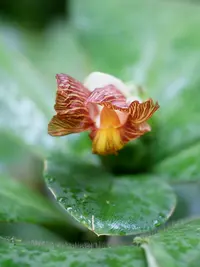
This species forms tightly spiraled, cane-like stems with leaves arranged in a clear spiral (costate) pattern, a characteristic feature that makes it stand out even within the Costus genus.

Distinctive white bracts

Its inflorescences produce white, overlapping bracts that form a cone-like structure, from which delicate flowers emerge, giving a strong structural contrast compared with the more common red or yellow bracts of related species.

Narrow geographic origin

Costus elegans is naturally recorded from a relatively restricted area in Panama, rather than being widespread across the Neotropics like some other Costus species, which makes wild populations more localized and ecologically specific.

FAQs about Costus elegans

Yellowing leaves often result from overwatering, poor drainage, or natural aging of older foliage. Check that the pot drains freely, soil is airy, and roots are healthy, then adjust watering slightly rather than drastically.

Grow Healthy Plants with Botan Care

Keep your plants happy and healthy with plant identification, disease detection, and easy care guidance.


Botan plant care app — identify plants on mobile

Explore More Plants