tievine Care (Ipomoea cordatotriloba)

Also known as: Little Violet Morning Glory, Sharp-pod Morning Glory, Ipomoea cordatotriloba, Purple Bindweed
tievine

About tievine

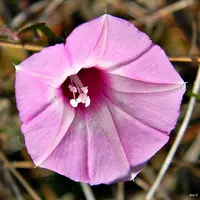
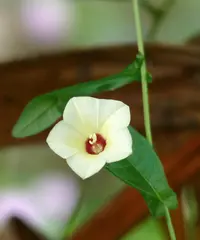
Tievine (Ipomoea cordatotriloba) is a fast-growing twining vine in the morning glory group, known for its heart-shaped leaves and small funnel-shaped pink to lavender flowers. It often forms dense trailing or climbing mats along fences, roadsides, and open fields.

This species is native to the southeastern United States and parts of Mexico, where it thrives in warm, sunny, disturbed areas. It establishes quickly from seed and can spread aggressively in suitable climates.

Tievine is generally easy to grow in full sun with well-drained soil and moderate moisture, which shapes how to care for tievine in gardens or naturalized plantings.

Main Plant Requirements

Care Difficulty

Easy Care

Light Preference

Full Sun

Water Requirements

Moderate Water

Temperature Preference

Tropical / Frost Sensitive

Hardiness Zone

7–11

Soil Texture

Sandy, Loamy, Organic-rich

Soil pH

Acidic (5.5–6.5), Slightly acidic (6.5–7.0)

Soil Drainage

Well-drained

Fertilization

Minimal (feed rarely)

Get Personalized Care Plan

Scan your plant to receive care tips personalized for your specific plant

Available on iOS and Android

How to Care for the tievine

Ipomoea cordatotriloba grows best in bright, direct outdoor sun for strong flowering and dense foliage.

  • Provide 6–8 hours of direct sun daily, ideally with strong morning sun and lighter afternoon exposure in very hot regions.
  • Plant in an open site; it tolerates light partial shade (3–4 hours sun) but flowering and vigor of tievine decline as shade increases.
  • In summer, monitor for leaf scorch or wilting in extreme afternoon heat; in cooler seasons, ensure plants are not shaded by buildings or trees as the sun angle lowers.

Ipomoea cordatotriloba prefers evenly moist but not saturated soil, especially during active growth and flowering.

  • Water when the top 3–5 cm of soil feels dry; soak the root zone thoroughly, then allow excess water to drain away fully.
  • Use well-drained soil or a site that does not puddle; yellowing, soft leaves and a sour smell indicate overwatering, while crisp leaves and limp stems signal underwatering.
  • In hot, dry summer periods, expect to water more often; in cooler or rainy seasons, extend intervals and rely more on natural rainfall for moisture.

This species thrives in warm conditions and is sensitive to frost, performing best in long, hot growing seasons.

  • Ideal growth occurs around 70–90°F (21–32°C); vines grow fastest and flower most reliably within this range.
  • Frost damages foliage and stems below 32°F (0°C); prolonged exposure under 40°F (4°C) slows growth and may kill young plants.
  • Tolerates short heat spikes to 95–100°F (35–38°C) if soil moisture is maintained; mulch roots and avoid reflective walls to reduce heat stress in midsummer.

This species handles a wide humidity range and usually does not need special humidity management outdoors.

  • Ideal humidity is around 30–60%, which matches most outdoor and household conditions in temperate regions.
  • Plants tolerate fairly dry air but may show leaf edge browning and slower growth if combined with heat and drought.
  • If grown in very dry, windy spots, reduce stress by mulching the soil and watering deeply rather than misting the foliage.

This twining vine prefers loose, well-drained soil that still holds moderate moisture.

  • Use a loamy or sandy-loam mix with 30–40% compost to provide structure and steady nutrients without becoming compacted.
  • Ensure rapid drainage by combining garden soil or all-purpose mix with coarse sand or perlite at about 1:1 for container use.
  • Aim for slightly acidic to neutral pH, roughly 6.0–7.0, which supports nutrient availability and healthy root development in Ipomoea cordatotriloba.
  • Avoid heavy clay, waterlogged sites, or soil crusting; improve aeration by adding organic matter and coarse particles and avoiding walking on wet beds.

This species is suitable for container growing when the pot setup supports its vigorous climbing and rooting habit.

  • Choose a pot at least 30–40 cm wide and deep to allow extensive rooting and to anchor vertical supports securely.
  • Use a heavier material such as terracotta or ceramic when placing the container outdoors to limit tipping from wind and vine weight.
  • Position the container where trailing stems cannot block walkways, and secure a trellis or netting directly in the potting mix for stable climbing.

This vigorous native vine usually thrives in average soil, but light feeding can support fuller growth when tievine is cultivated in lean or disturbed sites.

  • Apply a balanced, all-purpose fertilizer (around 10-10-10 NPK) at 1/2 strength once monthly during the active growing season.
  • Use a thin layer of compost or well-rotted manure in spring to boost soil organic matter and microbial activity.
  • In very sandy or poor soils, consider a slow-release granular fertilizer at the start of the season for steady nutrition.
  • Stop feeding in late summer to early fall and avoid winter fertilization to prevent weak, tender growth.

Targeted pruning keeps Ipomoea cordatotriloba manageable and encourages denser, healthier vines.

  • Prune in late winter or early spring before strong new growth begins, especially in mild climates.
  • Remove dead, diseased, or damaged stems first, then thin crowded or crossing vines to improve light and air flow.
  • Shorten excessively long shoots to control spread and direct growth along supports or away from nearby plants.
  • Use clean, sharp hand pruners and make cuts just above a leaf node to stimulate branching and flowering.

This species is most often grown in the ground, so care focuses on thoughtful transplanting rather than frequent repotting.

  • Transplant in spring after frost risk has passed, when soil is warming and new growth starts.
  • Look for roots circling inside small nursery pots or stunted top growth as signs the plant is pot-bound.
  • Choose a sunny site with well-drained soil and gently loosen the root ball to limit circling roots without tearing.
  • Water deeply after planting, then keep soil evenly moist for 1–2 weeks to reduce transplant shock and support establishment.

New plants are most commonly produced from seed, although stem cuttings are also possible for Ipomoea cordatotriloba plant care in controlled settings.

  • Collect ripe seeds from mature pods and sow in spring after frost, in warm (70–80°F), well-drained seed mix.
  • Lightly cover seeds and keep the medium evenly moist; germination typically occurs within 1–3 weeks.
  • For cuttings, take soft to semi-ripe stems in late spring or early summer, 8–10 cm long.
  • Remove lower leaves, insert cuttings into moist, free-draining medium, and maintain high humidity until roots form.

This warm-season perennial behaves as an annual in cold regions and has low frost tolerance.

  • In USDA zones where hard frosts occur, expect top growth to die back completely after freezing temperatures.
  • In mild climates, leave roots in the ground and apply a light mulch (5–7 cm) to buffer soil temperature.
  • Container-grown plants in cooler areas can be moved indoors to a bright, frost-free space before the first freeze.

Care Tips

Early trellis training

Install a sturdy trellis, fence, or netting before vines elongate, then gently wind young stems in the desired direction every few days to create an even, well-supported wall of growth.

Seasonal cutback management

In late winter or very early spring, cut back old, tangled vines close to the base to control spread, stimulate dense new growth, and keep the planting from becoming invasive in surrounding beds.

Volunteer seedling control

Mark where plants grew the previous year and routinely remove unwanted self-sown seedlings in spring so the vine does not overtake nearby perennials or vegetable beds.

Edge barrier containment

Where spread is a concern, install an edging strip or shallow root barrier 10–15 cm deep along beds to make it easier to spot and pull creeping stems before they root beyond the intended area.

Wildlife-friendly placement

Site plants where abundant flowers will not block key paths or viewpoints, since hummingbirds and pollinators visit frequently when growing tievine and can be better observed from a short distance.

Common Pests and Diseases

Sweetpotato whitefly

This pest feeds on the undersides of leaves, causing yellowing, curling, and sticky honeydew that can lead to sooty mold. Heavy infestations weaken vines and reduce flowering.

Solution

Inspect leaf undersides regularly and hose plants with a strong stream of water to dislodge adults and nymphs. If needed, use insecticidal soap or a light horticultural oil, applied thoroughly in the early morning or evening, and remove heavily infested leaves to slow population buildup.

Morning glory leaf miner

This insect creates narrow, winding tunnels inside leaves that turn pale and eventually brown. Symptoms include distorted foliage and reduced vigor when many leaves are affected.

Solution

Remove and dispose of mined leaves as soon as damage appears to break the insect life cycle. In outdoor plantings, encourage natural predators and avoid broad-spectrum insecticides; for severe, localized cases, a systemic insecticide labeled for leaf miners on ornamental vines may be used according to label directions.

Fusarium wilt

This disease causes gradual yellowing and wilting of leaves, often starting on one side of the plant, followed by browning and death of affected vines. Symptoms include vascular browning in stems when cut open.

Solution

Remove and destroy symptomatic vines and avoid composting diseased material. Improve soil drainage, avoid overhead irrigation, rotate planting areas, and do not replant morning glory relatives in the same spot for several years to reduce pathogen levels.

Rust

This disease produces small orange to brown pustules on the undersides of leaves, often with yellow spots on the upper surface. Symptoms include premature leaf drop and general decline in vigor under warm, humid conditions.

Solution

Prune and discard infected leaves promptly and provide good spacing and airflow to keep foliage drier. Avoid wetting leaves when watering and, if rust spreads quickly, apply a sulfur or copper-based fungicide labeled for ornamental vines, following label instructions carefully.

Southern blight

This soil-borne disease causes sudden wilting and collapse of stems near the soil line, often with white fungal growth and small round sclerotia (seed-like structures) on the stem or soil surface. Symptoms include rapid death of sections of the planting in warm, wet conditions.

Solution

Immediately remove and discard affected plants along with surrounding soil and mulch in the root zone. Improve drainage, avoid deep mulching against stems, raise planting beds if possible, and rotate away from susceptible hosts; in high-value plantings, a soil solarization period during the hottest months can help reduce inoculum before replanting for those interested in growing tievine again in the same area.

Interesting Facts

Native southeastern vine

This species is native to the southeastern United States and is especially common in disturbed habitats such as roadsides, field margins, and old agricultural sites, where it can quickly cover open ground.

Hybridization with relatives

It naturally hybridizes with closely related morning glory species, such as Ipomoea triloba, which can produce intermediate plants that make field identification challenging for botanists.

Important nectar source

Its pink to purplish funnel-shaped flowers provide nectar for bees, butterflies, and other pollinators over a long blooming season, giving it an important ecological role in late-summer and autumn flowering communities.

FAQs about tievine

This species spreads quickly by twining stems and abundant seed, especially in warm climates. In garden beds, it can become weedy without regular pruning, deadheading, and removal of volunteer seedlings to keep it within the desired area.

Grow Healthy Plants with Botan Care

Keep your plants happy and healthy with plant identification, disease detection, and easy care guidance.

Botan plant care app — identify plants on mobile

Explore More Plants