Boissier's Glory-of-the-snow Care (Scilla luciliae)

Also known as: Lucile's Glory-of-the-snow
Boissier's Glory-of-the-snow

About Boissier's Glory-of-the-snow

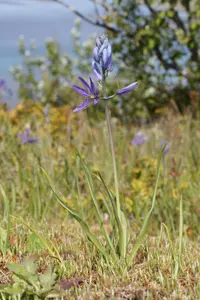
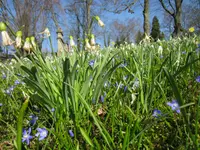
Boissier's glory-of-the-snow (Scilla luciliae) is a small spring-blooming bulb, valued for its star-shaped blue flowers with pale centers. It forms low clumps and naturalizes easily in lawns, rock gardens, and under deciduous shrubs.

This species is native to western Turkey, where it grows in open, rocky mountain meadows that are moist in spring and dry in summer. It is generally simple to grow, and those who learn how to care for Boissier's Glory-of-the-snow appreciate its reliability and ability to return year after year.

It prefers sun to light shade in spring, well-drained soil, and moderate moisture while in active growth.

Main Plant Requirements

Care Difficulty

Easy Care

Light Preference

Full Sun

Water Requirements

Moderate Water

Temperature Preference

Cold Hardy

Hardiness Zone

3–8

Soil Texture

Sandy, Loamy, Organic-rich

Soil pH

Acidic (5.5–6.5), Slightly acidic (6.5–7.0)

Soil Drainage

Well-drained

Fertilization

Minimal (feed rarely)

Get Personalized Care Plan

Scan your plant to receive care tips personalized for your specific plant

Available on iOS and Android

How to Care for the Boissier's Glory-of-the-snow

Scilla luciliae performs best in bright, cool spring light that mimics open woodland edges.

  • Provide 4–6 hours of direct sun daily, ideally morning sun with light afternoon shade, to support strong flowering for Boissier's Glory-of-the-snow.
  • Allow partial shade under deciduous trees; spring bulbs flower before trees leaf out, then tolerate dappled shade the rest of the season.
  • Avoid intense, all‑day summer sun in hot climates, which can scorch foliage; too much shade results in fewer flowers and stretched, floppy growth.

Scilla luciliae needs moisture in spring but prefers relatively dry conditions when dormant.

  • In active growth, water only when the top 3–5 cm of soil feel dry, aiming for consistently moist but not saturated soil around the bulbs.
  • Use sharply drained, gritty or sandy soil so excess water runs off; prolonged puddling or soggy spots increase bulb rot risk.
  • Reduce or stop watering once foliage yellows and dies back; persistent lush leaves that turn soft and pale often indicate overwatering, while crisp, folding leaves suggest underwatering.

This spring bulb thrives in climates with cool to cold winters and mild springs.

  • Active growth and flowering occur best at 45–60°F (7–16°C); foliage tolerates typical cool, wet spring conditions without issue.
  • Dormant bulbs survive down to about -20°F (-29°C) in the ground when soil is well drained, making them suitable for many cold-winter regions.
  • Above 80°F (27°C) in late spring, foliage naturally dies back and bulbs enter dormancy; brief higher heat is tolerated, but prolonged extreme heat in wet soil raises rot risk.

Scilla luciliae tolerates a broad humidity range and rarely needs special humidity management indoors.

  • Aim for 30–60% relative humidity, similar to most heated or air‑conditioned homes.
  • The bulbs handle slightly dry air well if soil moisture is managed carefully and not allowed to stay dry for long periods during active growth.
  • Humidity stress appears as limp, prematurely yellowing foliage; if this occurs, group pots together or place them near a shallow water tray to slightly raise local humidity.

Scilla luciliae grows best in loose, well‑aerated soil that drains quickly yet retains moderate moisture.

  • Use a sandy or loamy mix with 30–40% coarse sand or fine grit to keep the bulb plate from sitting in water.
  • In containers, combine roughly 2 parts all‑purpose potting mix with 1 part sharp sand or perlite to improve drainage and root aeration.
  • Aim for slightly acidic to neutral pH (6.0–7.0), avoiding strongly alkaline or saline substrates that limit nutrient uptake.
  • Avoid heavy, compacted clay, poorly drained spots, or organic mixes that stay wet for more than 2–3 days after watering, which increases bulb rot risk for Scilla luciliae.

This small bulb species is well suited to container growing outdoors on patios, balconies, or small gardens.

  • Choose a pot at least 15–20 cm deep so the bulbs can sit 7–10 cm below the surface with enough root zone beneath.
  • Select a heavier material such as ceramic or clay if the container is tall, as dense planting can make the pot top‑heavy in wind.
  • Elevate the container on pot feet or bricks to keep drainage holes clear, allowing rapid runoff and preventing meltwater from pooling around the bulbs of Boissier's Glory-of-the-snow.

Scilla luciliae is a small spring bulb that benefits from modest feeding rather than heavy fertilization.

  • Apply a light dressing of compost or a balanced slow-release fertilizer (around 10-10-10) in late winter or very early spring as shoots emerge.
  • Use about half the label strength for granular or liquid products, especially in containers, to avoid excess salt buildup around the bulbs.
  • Do not feed during summer dormancy or winter; Boissier's Glory-of-the-snow rests then and does not use added nutrients.
  • In richer garden soil, skip additional fertilizer most years and rely on decaying organic matter to sustain flowering.

Scilla luciliae needs minimal pruning, mainly cleanup after flowering to keep the planting tidy and healthy.

  • Cut off spent flower stalks in late spring with small clean snips to prevent unwanted seeding and focus energy back into the bulbs.
  • Allow foliage to yellow and wither naturally, removing it only when fully dry so the plant can recharge its bulbs for next year.
  • Gently pull or cut away any dead, diseased, or storm-damaged leaves at ground level whenever noticed.
  • Avoid mowing or cutting foliage too early around clumps, as this can reduce flowering performance the following spring.

This bulb is usually grown in the ground, with transplanting focused on lifting and relocating clumps rather than frequent repotting.

  • Check for overcrowded patches with many leaves but fewer flowers, a sign bulbs need lifting and dividing every 3–5 years.
  • Plan transplanting for late summer to early fall, after foliage has died back and bulbs are fully dormant.
  • Lift clumps carefully with a fork, separate bulbs by hand, and replant at the same depth in well-drained soil to limit root stress.
  • Water lightly after transplanting and keep soil just moist until autumn rains establish the bulbs in their new positions.

Scilla luciliae is commonly propagated by bulb division and can also spread from seed under suitable garden conditions.

  • Divide mature clumps in late summer or early fall, when bulbs are dormant and foliage has completely disappeared.
  • Lift bulbs carefully, separate offsets from the parent bulb by hand, and replant immediately at the same depth and spacing.
  • For seed, allow some flowers to set, then sow fresh seed in a prepared, well-drained bed, just covered with soil.
  • Keep the seed area evenly moist and expect seedlings to take several years to reach flowering size under stable outdoor conditions.

This hardy spring bulb generally needs little special winter care in typical temperate climates.

  • Tolerates freezing winters in the ground when planted in well-drained soil that does not stay waterlogged.
  • Apply a light mulch layer in late fall in colder regions to moderate soil temperature and reduce freeze–thaw heaving.
  • For containers, move pots to a sheltered, unheated but frost-exposed spot to prevent waterlogging yet still provide proper winter chill.

Care Tips

Mark Dormant Clumps

Insert small, weatherproof labels where the bulbs grow in spring so you avoid disturbing or digging through the clumps when they are completely dormant later in the year.

Use Mowing Windows

In a lawn setting, delay mowing the area until at least 6 weeks after flowering so the foliage can yellow naturally and recharge the bulbs before grass height is reduced again.

Naturalizing With Plugs

For a more natural look, toss bulbs over the planting area and plant them exactly where they land at 5–8 cm deep, which creates irregular drifts that resemble self-sown colonies.

Strategic Companion Planting

Combine these bulbs with later-emerging perennials or groundcovers that leaf out after flowering, so the companion foliage hides the fading leaves without shading early spring growth.

Divide At Foliage Fade

Lift and divide congested clumps just as the foliage starts to yellow, then replant offsets immediately at the same depth to maintain flowering performance while growing Boissier's Glory-of-the-snow in one area over many years.

Common Pests and Diseases

Narcissus bulb fly

This pest targets small bulbs, where larvae tunnel inside and hollow them out, leading to weak or missing shoots in spring.

Solution

Lift and inspect suspect bulbs, discarding any that feel soft or show tunneling. Replant only firm, healthy bulbs, use fine mesh or fleece over the planting area in late spring to reduce egg‑laying, and rotate bulb plantings to new spots every few years.

Slugs and snails

These insects feed on emerging leaves and flower stems, often leaving ragged holes or completely removing young growth, especially in damp, shady beds.

Solution

Hand-pick at dusk or early morning, use physical barriers like copper tape or rough grit around clumps, and place beer traps or iron phosphate slug baits according to label directions to reduce populations around the bulbs.

Botrytis blight

This disease causes pale, water-soaked spots on leaves and flowers that turn brown and may develop gray fuzzy mold in cool, wet weather.

Solution

Remove and dispose of affected foliage and spent flowers, avoid overhead watering, and space plantings so air can move freely; in gardens with recurring issues, a labeled fungicide may be applied preventively during prolonged wet periods as part of broader Scilla luciliae care instructions.

Basal bulb rot

This disease leads to browning and softening at the base of the bulb, poor emergence, and yellow, collapsing foliage, often in poorly drained soils.

Solution

Dig up and discard all soft or foul-smelling bulbs, improve drainage with raised beds or grit in the soil, avoid overwatering, and plant only firm, unblemished bulbs in well-drained sites to reduce reinfection.

Interesting Facts

Early snow bloomer

This species often flowers as snow is still melting, with shoots emerging through thawing ground in very early spring before many other bulbous plants.

Native Anatolian origin

It is naturally native to western Turkey, particularly rocky slopes and alpine meadows, where it experiences cold, snowy winters and dry summers.

True bulb lifecycle

The plant survives summer heat as a resting bulb underground, then rapidly produces leaves and flowers in late winter to early spring, completing its active growth cycle in just a few weeks.

Botan icon

Did you know?

The species was originally described in the 19th century from plants collected in western Turkey and named in honor of Lucile, the wife of the Swiss botanist Pierre Edmond Boissier, reflecting its long association with classical botanical exploration in Anatolia.

FAQs about Boissier's Glory-of-the-snow

This species flowers very early, often late winter to early spring, sometimes while snow still melts. It usually blooms before tulips and many daffodils, providing one of the first nectar sources for emerging pollinators.

Grow Healthy Plants with Botan Care

Keep your plants happy and healthy with plant identification, disease detection, and easy care guidance.

Botan plant care app — identify plants on mobile

Explore More Plants