pink tickseed Care (Coreopsis rosea)

Also known as: Rose Coreopsis
pink tickseed

About pink tickseed

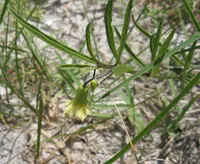
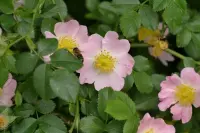
Pink tickseed (Coreopsis rosea) is a small, clump-forming perennial from the aster family, valued for its soft pink, daisy-like flowers. It typically has fine, narrow foliage and a low, mounding habit that suits borders, cottage gardens, and naturalistic plantings.

In the wild, it is native to moist, sandy areas in the eastern United States, often near wetlands and open shores. Coreopsis rosea is generally easy to grow, as it flowers over a long season and tolerates a range of garden conditions when soil drains well.

It prefers full sun, moderate moisture, and not overly rich soil, which helps keep growth compact and floriferous. Gardeners who learn how to care for pink tickseed usually find it a reliable, low-maintenance bloomer.

Main Plant Requirements

Care Difficulty

Easy Care

Light Preference

Full Sun

Water Requirements

Moderate Water

Temperature Preference

Cold Hardy

Hardiness Zone

4–9

Soil Texture

Sandy, Loamy, Organic-rich

Soil pH

Acidic (5.5–6.5), Slightly acidic (6.5–7.0)

Soil Drainage

Well-drained

Fertilization

Minimal (feed rarely)

Get Personalized Care Plan

Scan your plant to receive care tips personalized for your specific plant

Available on iOS and Android

How to Care for the pink tickseed

Coreopsis rosea performs best in bright outdoor conditions with plenty of direct sun.

  • Provide 6–8 hours of direct sun daily; morning sun with light afternoon shade works well in hot summer regions.
  • Tolerates light partial shade (3–4 hours sun), but flowering and compact growth decrease if consistently shaded.
  • In very hot climates, protect pink tickseed from harsh late-afternoon sun to reduce leaf scorch and excessive drying, especially in late spring and summer.

Coreopsis rosea prefers evenly moist, well-drained soil and is moderately drought tolerant once established.

  • Water when the top 3–5 cm of soil feels dry, then soak thoroughly so excess drains away, especially during the first growing season.
  • Reduce watering in cool weather and after flowering; allow the soil surface to dry more between waterings to discourage root rot.
  • Watch for wilting, crisp leaf edges, and poor flowering as signs of underwatering; yellowing, limp stems, and soggy soil suggest overwatering.

This perennial thrives in temperate climates with moderate summer heat and cold winters.

  • Active growth and best flowering occur around 65–80°F (18–27°C), with vigorous performance in late spring through early fall.
  • The plant tolerates winter lows near 0°F (−18°C) in the ground when soil is well drained, dying back aboveground and resprouting in spring.
  • Handles short heat waves up to about 90–95°F (32–35°C) if soil is not allowed to stay bone dry, but prolonged extreme heat can reduce flowering.

Coreopsis rosea grows well in typical outdoor humidity and rarely needs special humidity management.

Coreopsis rosea prefers light, well-drained soil that does not stay waterlogged after rain or irrigation.

  • Use a sandy or sandy-loam mix with 20–30% compost to balance drainage and nutrient retention.
  • Keep soil pH slightly acidic to neutral, around 6.0–7.0, to support healthy nutrient uptake.
  • Improve aeration and prevent compaction by blending in coarse sand or fine gravel rather than dense peat alone.
  • Avoid heavy clay or poorly drained spots where water sits for more than a few hours after watering.

This species grows reliably in containers when drainage and root space are managed carefully.

  • Choose a pot at least 25–30 cm wide so spreading clumps have horizontal room without becoming root-bound too quickly.
  • Select a heavier material like ceramic if the container is exposed to wind, as the plant forms a billowing, potentially top-heavy mound.
  • Use a fast-draining mix and raise the pot on feet or bricks so drainage holes stay clear and excess water leaves quickly.

Coreopsis rosea benefits from light, consistent feeding during the main growing season for best bloom density.

  • Use a balanced, slow-release fertilizer or well-rotted compost in spring as new growth starts, favoring low to moderate nitrogen levels.
  • Supplement container-grown pink tickseed every 4–6 weeks with a diluted balanced liquid feed at 1/2 strength.
  • Avoid high-nitrogen lawn fertilizers nearby, which can cause lush foliage with fewer flowers.
  • Stop feeding in late summer to early fall so growth hardens before winter dormancy.

Coreopsis rosea responds well to simple pruning that keeps plants compact and flowering longer.

  • Deadhead spent flower clusters through summer using clean scissors or hand pruners to extend blooming.
  • Shear plants back by about 1/3 after the main flush of flowers to encourage dense, fresh regrowth.
  • In late fall or very early spring, cut back dead stems to just above ground level.
  • Remove damaged, diseased, or badly crossing stems whenever noticed to maintain airflow and reduce fungal issues.

This species is usually grown in garden beds, so care focuses more on dividing and transplanting than on frequent repotting.

  • Transplant or divide clumps every 3–4 years in early spring or early fall, when temperatures are mild.
  • Look for crowded, woody centers, reduced flowering, or slow growth as signs the plant needs lifting and division.
  • Dig around the clump, lift gently, then split into sections with healthy roots and several shoots each.
  • Replant divisions at the same depth in well-drained soil, water thoroughly, and shade lightly for a few days to reduce root stress.

Coreopsis rosea is commonly propagated by division and seed, with stem cuttings used less often.

  • Divide mature clumps in early spring or early fall, replanting vigorous outer sections into prepared soil.
  • Sow seeds in late winter to early spring on the soil surface, keeping them lightly pressed, moist, and in bright light for germination.
  • Take 7–10 cm softwood cuttings in late spring, use a free-draining mix, and maintain high humidity until roots form.
  • Thin or transplant seedlings once true leaves appear, spacing plants to maintain airflow and strong growth.

This perennial is fairly cold hardy in much of the US and usually needs only modest winter preparation.

  • In zones near its hardiness limit, apply a 5–7 cm layer of mulch around the root zone after the ground cools, keeping mulch off the crowns.
  • Allow stems to die back naturally, then cut them close to ground level in late fall or early spring.
  • Move container plants to a sheltered, unheated but frost-free spot, such as a garage or cold frame, in colder climates.

Care Tips

Staggered Renewal

Every 2–3 years, dig up and divide crowded clumps in early spring, replanting outer, more vigorous sections to maintain dense flowering carpets and reduce disease pressure.

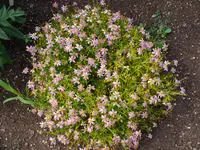
Shear For Rebloom

After the main flush of flowers fades, shear stems back by about one-third with clean shears to encourage a lighter repeat bloom and keep the plant compact.

Edge Control Strip

When growing pink tickseed near lawns or mixed borders, install a shallow edging strip or spade-cut border once a year to prevent rhizomes from slowly spreading into unwanted areas.

Winter Drainage Check

In fall, lightly mound a 2–3 cm layer of gritty material such as coarse sand or fine gravel around the crown in heavy soils to reduce winter crown rot from standing moisture.

Targeted Pest Monitoring

Inspect foliage weekly in warm, humid weather for early signs of aphids or leafhoppers and use a strong water spray or insecticidal soap at the first small clusters to prevent larger infestations.

Common Pests and Diseases

Aster yellows

This disease causes yellowing or paling of foliage, distorted or stunted growth, and deformed or greenish flower heads that never open normally.

Solution

Remove and discard (do not compost) any symptomatic plants to reduce the source of infection, and control leafhopper populations around plantings using reflective mulches or targeted insecticidal soap sprays to limit spread, as the pathogen is carried by these insects.

Powdery mildew

This disease produces a white, powdery film on leaves and stems, often starting on lower foliage and leading to yellowing and premature leaf drop in humid conditions.

Solution

Improve air circulation by thinning crowded clumps, water at the base to keep foliage dry, and apply a sulfur or potassium bicarbonate fungicide at the first sign of symptoms to protect new growth.

Leaf spot

This disease causes small brown to purple spots on leaves that may merge into larger blotches, leading to weakened foliage and early defoliation in wet seasons.

Solution

Remove and dispose of affected leaves, avoid overhead watering, space plants to dry quickly after rain, and if outbreaks are recurrent, apply a labeled ornamental fungicide early in the season as a preventive measure.

Aphids

These insects cluster on tender stems and flower buds, sucking sap and causing curling leaves, sticky honeydew, and reduced blooming.

Solution

Dislodge colonies with a strong stream of water, encourage natural predators like lady beetles, and, if populations remain high, treat new growth with insecticidal soap or a light horticultural oil, ensuring thorough coverage of stems and undersides of leaves.

Spider mites

This pest creates fine webbing on stems and leaf undersides, leading to stippled, bronzed foliage that may dry and drop in hot, dry weather.

Solution

Increase humidity around plants with regular rinsing of foliage, spray the undersides of leaves with a firm jet of water to remove mites, and use a horticultural oil or insecticidal soap labeled for mites if damage continues, repeating applications as directed.

Interesting Facts

Naturally pink flowers

Unlike most coreopsis species that have yellow blooms, this species produces soft pink, daisy-like flowers, which makes it one of the few naturally pink members of the genus.

Native to wet habitats

This plant is naturally found in moist, often boggy or peaty areas of the eastern United States, especially in coastal plain habitats such as wet meadows and the edges of marshes.

Spreading rhizome growth

The species spreads by slender rhizomes, which are underground stems, allowing it to form loose colonies over time in suitable moist soils.

FAQs about pink tickseed

This species is very attractive to pollinators. The nectar-rich, open daisy-like flowers draw native bees, hoverflies, and small butterflies, especially when planted in sunny, pesticide-free beds with several plants grouped closely together.

Grow Healthy Plants with Botan Care

Keep your plants happy and healthy with plant identification, disease detection, and easy care guidance.

Botan plant care app — identify plants on mobile

Explore More Plants