



Best Soil for Jacaranda (Jacaranda mimosifolia)

Loose, well-drained soil with a slightly acidic reaction helps Jacaranda mimosifolia develop healthy roots and steady top growth.

Soil Texture

Sandy, Loamy, Organic-rich

Soil pH

Acidic (5.5–6.5), Slightly acidic (6.5–7.0)

Soil Drainage

Well-drained

Jacaranda mimosifolia Soil Guide

Native to northwestern Argentina and southern Bolivia, Jacaranda mimosifolia grows in warm regions where soil drains freely and roots get steady air. That background points to a loose, sandy or loamy substrate with some organic matter, rather than dense soil that stays wet for long periods.

The best soil for Jacaranda holds light moisture but still dries gradually and stays open around the roots. As a tree, it benefits from soil that supports spreading root growth and easy oxygen movement, which helps steady establishment and healthy top growth.

A homemade mix gives better control over texture and airflow than many standard bagged blends. For Jacaranda mimosifolia, aim for an open mix that still holds some moisture.

100% total mix = 20 scoops
15%
composted bark or leaf mold3 scoops
20%
perlite or pumice4 scoops
25%
coarse sand5 scoops
40%
high-quality potting soil8 scoops

The finished blend should feel light, crumbly, and gritty, with water moving through evenly instead of pooling for long.

A slightly acidic to mildly acidic range of about 5.5–7.0 suits Jacaranda well, with 6.0–6.5 often being a practical target. In that range, key nutrients stay more available to the roots.

If the pH drifts too far above or below that zone, nutrient uptake can become less efficient even when the soil otherwise looks suitable. Jacaranda usually handles small variation, but extreme readings can limit steady growth.

Soil issues often show up gradually, especially when the root zone stays dense or airless. With Jacaranda, early correction usually helps more than major changes later.

Compacted mix:

If the surface hardens and water sits briefly before soaking in, loosen the top layer gently and switch to a more open medium at the next soil change.

Slow drainage:

If the container stays heavy for too long after watering, check that excess water can exit freely and reduce fine, moisture-holding material in future mixes.

Hydrophobic soil:

If very dry soil pulls from the pot edge and sheds water, re-moisten it slowly in stages so the root zone can absorb moisture evenly again.

Salt buildup:

If a pale crust forms on the surface, scrape it away and flush the soil thoroughly once to reduce accumulated mineral residue.

Soil Help, Fast

Botan helps match this plant to a more suitable growing medium so soil choices are based on real care needs, not guesswork.

FAQ

Yes. Drainage holes are important because they let excess water leave the container and keep the root zone better aerated, which matters for maintaining the best soil for Jacaranda in practical indoor or patio growing.

More Plant Soil Guides

Could It Be the Soil?

Soil can contribute to visible decline, but it is only one possibility. Botan’s photo-based assessment can help you check what may be involved.

Botan app helping with soil and plant care
12 Best Plants for Bathroom That Thrive in Humid Conditions

9 min read · 29 Sept 2026

12 Best Plants for Bathroom That Thrive in Humid Conditions

Discover the 12 best plants for bathroom spaces. Each pick comes with its own advantages, plus light, humidity, watering, and placement tips. Take a look and match the plant to your specific bathroom.

Plant Recommendations
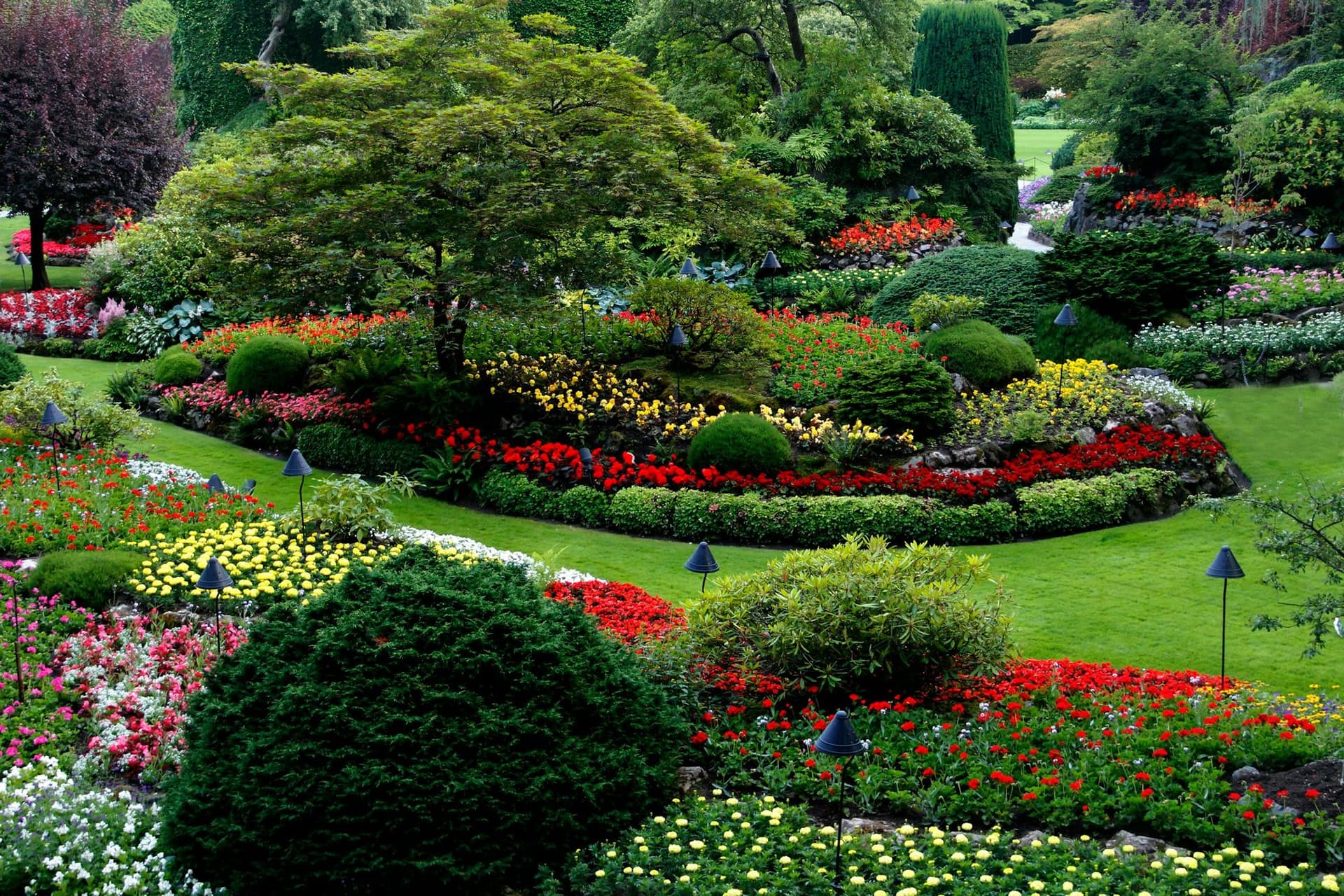
12 Best Plants for Bathroom That Thrive in Humid Conditions
12 Best Landscaping Trees for Your Garden

8 min read · 6 Oct 2026

12 Best Landscaping Trees for Your Garden

Choosing the landscape tree depends on what your garden needs most. These 12 options include compact flowering specimens, colorful deciduous trees, shade varieties, and evergreens suitable for screening and year-round structure.

Plant Recommendations
12 Best Landscaping Trees for Your Garden
How to Tell if a Plant Is Dead

6 min read · 19 Aug 2026

How to Tell if a Plant Is Dead

A plant can lose its leaves, stop growing, or collapse and still remain alive. A closer look at the stems, roots, bulbs, and tubers can show whether the plant still has a chance to recover.

Beginner Guides
How to Tell if a Plant Is Dead