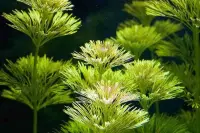


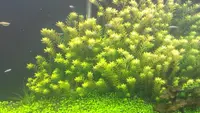
Asian marshweed (Limnophila sessiliflora) Light Needs

Asian marshweed grows best in bright filtered light to partial sun, with steady light rather than deep shade.

Light Preference

Partial Sun

Limnophila sessiliflora Light Requirements

Limnophila sessiliflora grows naturally in warm Asian wetlands, including marshes, ditches, flooded fields, and slow-moving water where stems may be submerged or emergent. In these open, shallow habitats, it receives strong daylight, periods of direct sun, and some filtering from water or surrounding vegetation. Cultivated plants respond best when this bright, open exposure is repeated. Preferred light is bright filtered light to partial sun.

  • Ideal exposure:

    Limnophila sessiliflora needs about 6–8 hours of bright filtered light to partial sun daily, including 2–4 hours of gentle direct sun.

  • Full sun tolerance:

    It can handle longer direct sun outdoors or in very bright indoor setups if introduced gradually and protected from heat buildup.

  • Low-light limit:

    Shade is not suitable; weak light usually produces thin, stretched stems and slower growth.

  • Afternoon intensity:

    Morning sun is safer than hot afternoon sun, especially through glass or over shallow water.

Indoors, the best placement gives strong light without overheating the water or exposing stems to abrupt midday glare.

NPoor
North-facing window:

A north-facing window is usually too dim unless a strong grow light supplies most of the daily light.

EBest
East-facing window:

An east-facing window is often the safest option because it gives gentle morning sun and bright light for the rest of the day.

SConditional
South-facing window:

A south-facing window can work if the plant sits behind a sheer curtain or several feet back from hot midday glass.

WConditional
West-facing window:

A west-facing window needs filtering because hot afternoon sun through glass can be stronger than the plant should receive suddenly.

Watch stem spacing and surface leaf color for 1–2 weeks after any move.

Too much light is most likely after a sudden move into stronger sun.

Bleached tips:

New shoot tips may turn pale or whitish when intense light arrives faster than the plant can adjust.

Translucent patches:

Leaves near the surface or against hot glass may develop clear, thin-looking areas.

Compressed growth:

Very intense exposure can produce tight, shorter internodes along the upper stems rather than balanced growth.

Algae coating:

In aquariums, excess light often encourages green film on leaves, which reduces usable light.

Move Limnophila sessiliflora back to filtered light or shorten direct sun periods. Reintroduce stronger light over 1–2 weeks.

Weak light shows first in the shape of new growth. The plant does not handle shade well.

  • Long gaps:

    Stems stretch with wider spacing between leaf whorls as they reach for stronger light.

  • Leaning stems:

    Upper growth may angle toward the brightest side instead of staying evenly upright.

  • Small new leaves:

    New leaf whorls can become smaller and less dense under weak light.

  • Sparse growth:

    During warm, active growth, weak light may cause thin stems rather than dense extension.

Move Limnophila sessiliflora into brighter filtered light or partial sun. Increase exposure gradually if the previous position was dim.

When ideal sun is unavailable, choose the brightest filtered position and aim for several hours of strong daylight rather than brief direct glare.

Keep intense rays from heating the water or pressing through glass by adding light filtration or moving the container a few feet back.

Deep shade is unsuitable because it encourages stretched, sparse stems.

Get Personalized Care Plan

Scan your plant to receive care tips personalized for your specific plant

FAQ

The best light for Asian marshweed is bright filtered light to partial sun. This plant should get strong daily light, not deep shade, for dense, steady growth.

More Plant Light Guides

Get the Botan App

Discover how to care for your plants with Botan.

Botan app identifying a plant with a phone camera
What Plants Don't Like Epsom Salt?

11 min read · 29 Jul 2026

What Plants Don't Like Epsom Salt?

Learn which plants can be seriously damaged by Epsom salt and which will thrive on it. We’ll explain when and how to use it properly, provide tips for indoor & outdoor plants — read on and enjoy a healthy garden.

Plant Care
What Plants Don't Like Epsom Salt?
20 Most Popular Fruits Around the World

7 min read · 22 Jul 2026

20 Most Popular Fruits Around the World

Curious which fruits the world actually eats the most? Here's the top-20 by production volume, an overview of what people choose in each region, and a few figures that defy common assumptions.

Plant Recommendations
20 Most Popular Fruits Around the World
Best Water for Plants – How to Choose the Right Type

7 min read · 13 Aug 2026

Best Water for Plants – How to Choose the Right Type

Rainwater, filtered, distilled, and tap water affect plants differently. Learn which types support healthy growth and which cause slow damage. Match each to your plants and discover how to easily improve tap water quality.

Plant Care
Best Water for Plants – How to Choose the Right Type