

Night‑blooming support
Install a low, rigid stake or discreet wire frame when the plant is young so the tall, night‑blooming stems have support during windy periods without needing tight ties that can bruise the tissue.

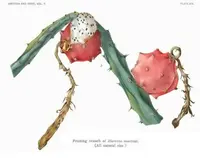
Mooncactus, or Harrisia martinii, is a night-blooming columnar cactus known for its tall, ribbed stems and large, fragrant white flowers that open after dark. In nature it occurs in dry, open habitats of South America and has become naturalized in some warm regions.
The plant has a vining or sprawling growth habit and develops strong, sharp spines, so it needs space and careful handling. Its drought tolerance and slow growth make it relatively easy to manage for most growers. To care for mooncactus successfully, provide very bright light, infrequent but deep watering, and a fast-draining, sandy or gritty soil mix.

Care Difficulty
Easy Care

Light Preference
Full Sun

Water Requirements
Low Water

Temperature Preference
Warm Climate

Hardiness Zone
9–11

Soil Texture
Sandy, Loamy, Rocky

Soil pH
Slightly acidic (6.5–7.0), Neutral (7.0)

Soil Drainage
Well-drained

Fertilization
Minimal (feed rarely)
Scan your plant to receive care tips personalized for your specific plant
Available on iOS and Android
Harrisia martinii needs strong light to flower and maintain firm, upright growth.
This desert cactus prefers thorough but infrequent watering that allows the root zone to dry between soakings.
Stable warmth supports strongest growth and flowering for this columnar cactus.
This cactus handles low humidity well and rarely needs special humidity management indoors.
Harrisia martinii prefers a mineral, sharply drained substrate that dries quickly between waterings.
This species is highly suitable for container growing, especially where winters are cold.
Harrisia martinii has modest nutrient needs, but thoughtful feeding supports healthy stems and flowering for mooncactus indoor care.
Harrisia martinii benefits from light, targeted pruning to maintain shape, health, and safe size.
Container-grown Harrisia martinii appreciates infrequent but careful repotting to keep roots healthy.
Harrisia martinii is commonly propagated from stem cuttings or seeds under warm, bright conditions.
Harrisia martinii needs careful winter management in regions with frost, especially in containers.

Plant Health Check
Not sure what's wrong with your plant? Check your plant's health inside the app.
This cactus opens its large white flowers at night, releasing a strong scent that attracts nocturnal moths and other night-flying insects, which act as its main pollinators.
After flowering, it produces red, fleshy fruits that are eaten by birds, which then disperse the seeds over wide areas and help the species spread in its native range.
The long, ribbed, often scrambling stems can use surrounding vegetation for support, allowing the plant to form dense thickets in suitable habitats.

In parts of Australia and South Africa, Harrisia martinii has become an invasive weed, forming dense, thorny infestations that outcompete native vegetation and require active biological and mechanical control programs.
Lack of flowers usually relates to insufficient maturity, inadequate light intensity, or stress from irregular watering and temperature swings. Stable, bright conditions and consistent but modest feeding support bud formation better than frequent repotting or heavy fertilizing.
Keep your plants happy and healthy with plant identification, disease detection, and easy care guidance.


Cereus fernambucensis
Cereus fernambucensis
Bayahibe rose
Leuenbergeria quisqueyana
Cactus
Strombocactus disciformis
Easter Cactus
Rhipsalidopsis gaertneri
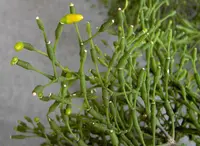
Dancing bones cactus
Hatiora salicornioides
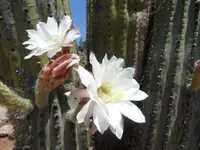
Leucostele terscheckii
Leucostele terscheckii
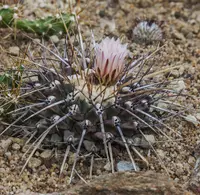
Thelocactus tulensis
Thelocactus tulensis
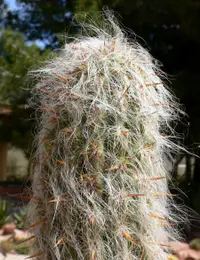
Old Man of the Andes
Oreocereus celsianus