Snowdrop Cactus Care (Lepismium houlletianum)

Snowdrop Cactus

About Snowdrop Cactus

Snowdrop cactus, Lepismium houlletianum, is an epiphytic cactus that naturally grows hanging from trees in the forests of Brazil and surrounding regions. It forms long, flattened, trailing stems that create a soft, cascading effect.

In the right conditions, it produces small white to pale pink flowers along the stems, followed by decorative berries. The plant prefers bright, indirect light, regular but moderate moisture, and a well-draining, airy potting mix.

Its flexible, trailing growth and tolerance of typical indoor temperatures make it relatively straightforward for those learning how to care for Snowdrop Cactus. It is generally considered easier than many desert cacti, provided it is not kept in harsh sun or waterlogged soil.

Main Plant Requirements

Care Difficulty

Moderate Care

Light Preference

Bright Indirect Light

Water Requirements

Moderate Water

Temperature Preference

Tropical / Frost Sensitive

Hardiness Zone

11–12

Soil Texture

Sandy, Loamy, Organic-rich

Soil pH

Acidic (5.5–6.5), Slightly acidic (6.5–7.0)

Soil Drainage

Moist but well-drained

Fertilization

Light (every 4–6 weeks)

Get Personalized Care Plan

Scan your plant to receive care tips personalized for your specific plant

Available on iOS and Android

How to Care for the Snowdrop Cactus

This epiphytic cactus prefers bright, filtered light that mimics dappled forest shade.

  • Provide 6–8 hours of bright, indirect light daily; gentle morning sun with afternoon shade suits Snowdrop Cactus best.
  • Outdoors, hang or place it under high, open shade (trees, shade cloth, bright porch) to avoid harsh midday sun that can cause yellowing or scorched patches.
  • In lower light, stems may stretch and lose density; move gradually to a brighter filtered position, especially in late winter and early spring.

This forest cactus prefers consistently lightly moist conditions rather than deep drought.

  • Allow the top 2–4 cm of soil to dry before watering, then water thoroughly so excess drains away without leaving the root zone waterlogged.
  • Reduce watering in autumn and winter, waiting until the top 4–5 cm are dry; in active growth, dry only the top 2–3 cm to support new stems.
  • Watch for shriveling or limp, thin segments as signs of underwatering, and for blackened bases, sour smell, or mushy roots as signs of overwatering in Lepismium houlletianum.

This species prefers warm, stable temperatures with mild seasonal cooling.

  • Aim for 65–80°F (18–27°C) during active growth, which supports steady stem and root development.
  • Protect from cold below 50°F (10°C); short dips to 45°F (7°C) are usually tolerated, but frost can damage or kill tissues.
  • In hot spells above 90°F (32°C), increase shade and airflow, and avoid placing the plant against heat-reflective walls or enclosed patios that trap heat.

This epiphytic cactus prefers moderately humid air and reacts if kept too dry for long periods.

  • Aim for 50–70% humidity, similar to a mild bathroom or kitchen environment.
  • Tolerates short spells around 30–40%, but sustained dry air causes crisping tips and wrinkled, limp stems.
  • Increase humidity with a nearby tray of damp pebbles, grouping plants, or a small humidifier rather than misting directly on stems.

This species needs a loose, fast-draining yet moisture-retentive mix rather than dense, heavy soil.

  • Use a mix of roughly 40% fine orchid bark, 30% peat-free potting mix, and 30% perlite or pumice for airy structure.
  • Ensure water drains through in seconds; the mix should feel springy and crumbly, not sticky or compacted.
  • A slightly acidic to neutral pH around 5.5–7 suits Lepismium houlletianum well, avoiding strongly alkaline substrates.
  • Avoid pure garden soil, straight peat, or heavy clay-based mixes that promote waterlogging and root rot.

This trailing cactus is very suitable for container culture and hanging pots.

  • Choose a wide, shallow container so the relatively fine root system can spread without sitting in deep, wet soil.
  • Use a stable hanging basket or heavy base pot to prevent tipping as long stems elongate and shift the center of gravity.
  • Select terracotta or other porous materials if the environment is humid, to let the mix dry a bit faster between waterings.

This epiphytic cactus benefits from light, steady feeding during the active growing season for healthy stems and flowering.

  • Use a balanced liquid fertilizer (for example 10-10-10 or 20-20-20) diluted to 25–50% strength for caring for Snowdrop Cactus.
  • Feed every 4–6 weeks in spring and summer when growth is active, skipping applications if the potting mix is very rich.
  • Switch to a low-nitrogen cactus or orchid fertilizer if growth is soft and floppy, keeping dilution weak.
  • Stop feeding in fall and winter, or reduce to 1 light feeding the entire season, to respect its semi-dormant rest period.

Lepismium houlletianum responds well to light pruning, which helps manage length and maintain a tidy, cascading form.

  • Prune in late winter or early spring before strong new growth begins, avoiding heavy cutting during flowering.
  • Remove dead, shriveled, or damaged stems first, cutting back to healthy tissue with clean, sharp scissors or pruners.
  • Thin crowded, tangled, or inward-growing stems to improve air circulation and light penetration through the hanging plant.
  • Shorten overly long stems to shape the plant; this encourages branching and can lead to denser growth with more flowering sites.

This trailing cactus prefers slightly tight quarters but benefits from periodic repotting to refresh its airy mix and manage root health.

  • Check for roots circling the pot, pushing through drainage holes, or noticeably slowed growth as signs repotting is needed.
  • Plan to repot every 2–3 years in late winter or early spring, just before the main growth flush starts.
  • Use a shallow, slightly wider pot with drainage and a very free-draining mix, such as cactus soil blended with fine bark and perlite.
  • Gently loosen circling roots, remove some old mix, and water lightly after repotting to reduce shock, then keep out of strong sun for 5–7 days.

This species is commonly propagated from stem cuttings, which root reliably under warm, slightly humid conditions.

  • Take 7–12 cm healthy stem segments in late spring or early summer, choosing firm, disease-free growth.
  • Allow cut surfaces to callus for 1–3 days in a dry, shaded place to reduce rot risk before planting.
  • Insert the base of each cutting into a shallow tray or pot of slightly moist, free-draining mix and keep at 70–80°F in bright, indirect light.
  • Maintain light moisture, not soggy conditions; roots generally form in several weeks, after which new growth indicates successful establishment.

This cactus is frost sensitive and needs mild, protected conditions over winter, especially in container culture.

  • Avoid exposure below 40°F; prolonged temperatures near freezing can damage stems or kill the plant.
  • Move hanging baskets or pots indoors or into a greenhouse before the first frost, giving bright, indirect light.
  • Reduce watering so the mix dries more between waterings, while preventing complete, prolonged dryness that shrivels stems.
  • In unheated but frost-free spaces, hang the plant away from cold drafts and windows that can radiate very low temperatures at night.

Care Tips

Encourage Cascading Shape

Use a hanging basket or a tall pedestal pot and periodically rotate the container 90° every 2–3 weeks so the stems trail evenly and do not crowd toward one light source.

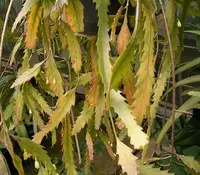
Support Heavy Stems

Once stems exceed 40–50 cm, secure a few of the older, thicker segments to the rim of the pot or a small hoop with soft plant ties to prevent breakage at the base under their own weight.

Segment Propagation Timing

Take 2–3 segment cuttings only when stems feel firm and slightly woody at the base, then allow cut ends to dry for 2–3 days before placing in a shallow, airy mix to reduce rot and speed rooting.

Gentle Dust Management

Every 4–6 weeks, rinse the hanging stems with a lukewarm, gentle shower or use a soft brush to remove dust from the ribbed segments so photosynthesis stays efficient and pests are easier to spot early.

Flowering Cycle Reset

After main flowering finishes, remove spent blooms and slightly reduce watering for 2–3 weeks, then resume normal care to help the plant shift resources from seed production back to vegetative growth, which supports long-term Snowdrop Cactus indoor care.

Common Pests and Diseases

Mealybugs

This pest feeds on the soft, pendent stems and collects in stem joints, causing yellowing and stunted growth. Symptoms include cottony white clusters along ribs, at areoles, and around hanging segments.

Solution

Isolate the plant, then dab visible insects with cotton swabs dipped in 70% isopropyl alcohol and rinse the stems with a gentle shower of lukewarm water. Follow with 2–3 applications of a ready-to-use insecticidal soap or horticultural oil at 7–10 day intervals, and reduce excess nitrogen fertilization to make the plant less attractive.

Soft scale

These insects appear as small, tan to brown bumps on stems and along the ribs, sucking sap and producing sticky honeydew. Symptoms include dull, weakened segments and sooty mold growing on the honeydew in humid indoor conditions.

Solution

Gently scrape or wipe off scales with a soft cloth or toothbrush and wash the plant under a gentle shower. For remaining juveniles, apply insecticidal soap or a light horticultural oil, making sure to coat the undersides and crevices, and repeat every 7–10 days until new growth emerges clean.

Spider mites

This pest thrives in warm, dry indoor air and targets the thin, hanging stems, causing fine stippling and a faded, rough appearance. Symptoms include tiny webbing between segments and a general loss of vigor under low humidity and strong light.

Solution

Increase humidity around the plant, then rinse stems thoroughly under a strong but gentle stream of water to dislodge mites. Follow with repeated applications of insecticidal soap or a miticide labeled for houseplants, ensuring full coverage on all sides of the segments while also avoiding hot, direct sun immediately after treatment.

Stem rot (fungal)

This disease develops in poorly drained, constantly wet potting mix and often starts at the base of the pendant stems. Symptoms include soft, dark, water-soaked tissue at the soil line, sudden stem collapse, and a sour smell from the substrate.

Solution

Remove and discard all mushy, discolored parts, then take healthy, firm segments as cuttings if the base is badly affected. Repot into a fresh, sharply draining cactus–epiphyte mix, use a pot with large drainage holes, and water only when the top 3–4 cm of mix are dry while providing bright, indirect light and good air movement.

Bacterial soft rot

This disease enters through wounds on the fleshy segments and spreads rapidly in warm, humid conditions, causing sections to turn soft, translucent, and foul-smelling. Symptoms include fast-spreading collapse of individual stems while other parts of the plant still look healthy at first.

Solution

Cut away all affected segments well into healthy, firm tissue with a sterile blade and discard them in household trash, not compost. Improve air circulation, avoid overhead watering on the stems, disinfect tools between cuts, and keep the plant in moderate warmth with the stems drying quickly after any moisture to reduce reinfection risk while focusing on Lepismium houlletianum care that avoids mechanical damage to the stems.

Interesting Facts

Epiphytic forest specialist

This species naturally grows as an epiphyte in the Atlantic Forest of Brazil, where its long, flattened stems hang from tree branches in warm, shaded, and very humid canopies.

Seasonal night bloomer

It produces small, white, fragrant flowers that typically open in the evening or at night in late winter to spring, an adaptation that likely aligns with the activity of nocturnal pollinators such as moths.

Berry-forming cactus

After pollination, it develops small, fleshy, usually white to pinkish berries that contain seeds, which can be dispersed by birds feeding on the fruits.

Botan icon

Did you know?

Unlike desert cacti, this species evolved in rain-rich atlantic rainforest habitat and shows a markedly reduced spination, relying instead on its flattened, leaflike stems for photosynthesis and water storage while hanging from tree branches.

FAQs about Snowdrop Cactus

Lack of blooms often comes from insufficient light, warm winter temperatures, or no slight dry rest before spring. Provide bright, indirect light, a cooler, drier winter period, and avoid repotting right before the expected flowering season.

Grow Healthy Plants with Botan Care

Keep your plants happy and healthy with plant identification, disease detection, and easy care guidance.

Botan plant care app — identify plants on mobile

Explore More Plants