Tank water management
Keep the central cup filled with clean, low-mineral water but flush it completely every 1–2 weeks to prevent salt buildup, algae, and mosquito larvae.

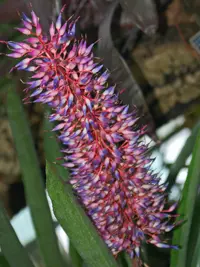
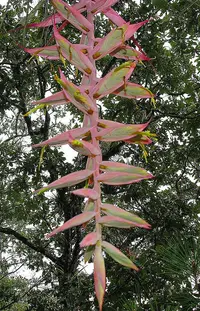
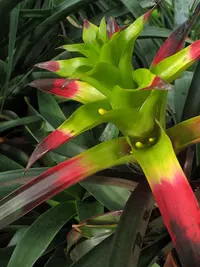
Aechmea fendleri is a tropical bromeliad native to northern South America, where it grows as an epiphyte on trees or on well-drained forest floors. It forms a stiff rosette of arching, strap-shaped leaves that hold water in a central tank, topped by a tall, colorful flower spike with long-lasting bracts.
This species suits warm indoor spaces and sheltered patios, as it tolerates dry indoor air and irregular watering better than many other tropicals. Bright, filtered light and a loose, airy potting mix support healthy growth and make it relatively straightforward to care for Aechmea fendleri.

Care Difficulty
Moderate Care

Light Preference
Bright Indirect Light

Water Requirements
Moderate Water

Temperature Preference
Tropical / Frost Sensitive

Hardiness Zone
10–12

Soil Texture
Sandy, Loamy, Organic-rich

Soil pH
Acidic (5.5–6.5)

Soil Drainage
Well-drained

Fertilization
Light (every 4–6 weeks)
Scan your plant to receive care tips personalized for your specific plant
Available on iOS and Android
This bromeliad prefers bright, filtered light that mimics dappled tropical shade.
This species needs a moist but not waterlogged root zone and a filled central cup.
This bromeliad prefers consistently warm conditions without frost or extreme heat swings.
This bromeliad prefers moderately humid air but handles typical household levels if not too dry.
This species grows best in a loose, airy mix that drains quickly yet holds light, even moisture.
This bromeliad is well suited to container growing, both indoors and outdoors in mild climates.
This bromeliad benefits from light, controlled feeding rather than heavy fertilization.
Pruning needs for this bromeliad are minimal and focus on cleanliness and renewal.
Container-grown plants benefit from occasional repotting mainly to refresh the mix and manage offsets.
This species is most reliably propagated by offsets produced around the base of the mother plant.
This tropical bromeliad is frost-sensitive and benefits from controlled indoor conditions in cold climates.

Plant Health Check
Not sure what's wrong with your plant? Check your plant's health inside the app.
In its native range of northern South America and the Caribbean, Aechmea fendleri often grows as an epiphyte on trees, forming a leaf rosette that holds water and organic debris, which in turn supports small invertebrates and microorganisms.
This species is known for its violet to purplish bracts that can remain attractive for several months, even after many of the individual flowers have faded.
After flowering once, the mother rosette slowly declines while producing offsets around its base, allowing a single plant to develop into a dense clump over time under stable conditions.
This species usually flowers only once per rosette when mature, then slowly declines while offsets develop. If it has never bloomed, common causes include insufficient maturity, inadequate light intensity, or prolonged cool conditions that slow flower initiation.
Keep your plants happy and healthy with plant identification, disease detection, and easy care guidance.