Navajo yucca Care (Yucca baileyi)

Also known as: Bailey's Yucca, Alpine Yucca
Navajo yucca

About Navajo yucca

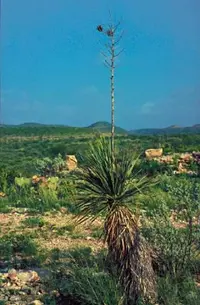
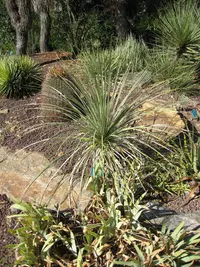
Navajo yucca (Yucca baileyi) is a compact, trunkless yucca with dense rosettes of narrow, stiff, blue-green leaves ending in sharp tips. It forms clumps over time, giving a sculptural, desert-like look.

This species is native to the Four Corners region of the southwestern United States, where it grows in dry, rocky, high-desert habitats. Its natural drought and heat tolerance make it a low-maintenance choice in suitable climates.

Navajo yucca prefers strong light, sharply drained soil, and infrequent watering, which reflects its arid origins. These traits generally make it easy to care for Navajo yucca, provided it is not overwatered or kept in deep shade.

Main Plant Requirements

Care Difficulty

Easy Care

Light Preference

Full Sun

Water Requirements

Low Water

Temperature Preference

Cold Hardy

Hardiness Zone

5–9

Soil Texture

Sandy, Rocky, Loamy

Soil pH

Neutral (7.0), Slightly alkaline (7.0–7.5)

Soil Drainage

Well-drained

Fertilization

Minimal (feed rarely)

Get Personalized Care Plan

Scan your plant to receive care tips personalized for your specific plant

Available on iOS and Android

How to Care for the Navajo yucca

This desert species thrives in strong light and handles intense sun when conditioned properly.

  • Provide 6–10 hours of direct sun daily; full sun is ideal, especially in open, arid landscapes where Yucca baileyi naturally occurs.
  • Allow some light afternoon shade in very hot regions to reduce leaf scorch, particularly on young or newly transplanted plants.
  • In winter, ensure at least 4–6 hours of unshaded sun; plants shaded by buildings or trees will grow sparse, lean, and less compact.

This species prefers dry conditions and is highly sensitive to excess moisture around its roots.

  • Water only when the top 3–5 cm of soil are completely dry; in arid climates this may mean deep watering every 2–4 weeks, less often in cool seasons.
  • Use fast-draining, sandy or gravelly soil so water runs through within seconds; avoid low spots where water pools after rain.
  • Watch for yellowing, soft, or collapsing leaves as signs of overwatering, and crisp, browning leaf tips plus shriveling as indicators of underwatering.

This hardy yucca tolerates a wide temperature range but responds best to moderate, dry conditions.

  • Optimal growth occurs around 65–85°F (18–29°C), with good airflow and low to moderate humidity to mimic its native high-desert habitat.
  • Mature plants can survive brief drops near 0°F (-18°C) if soil is very well drained and crowns stay dry, but repeated freeze-thaw cycles increase rot risk.
  • Heat tolerance is high up to about 100–105°F (38–41°C) if roots are established; avoid overhead watering in cool evenings during heat waves to limit fungal issues.

This species handles low household humidity well and rarely needs special humidity management.

  • Aim for 30–50% humidity, which covers typical indoor levels in most homes.
  • Dry air is usually tolerated; leaf tip browning or shriveling indicates combined drought and low humidity stress, not humidity alone.
  • If air is extremely dry from heating, place Navajo yucca away from vents and use a nearby open tray of water and stones to slightly buffer dryness.

Yucca baileyi prefers very fast-draining, mineral, desert-like soil to avoid root rot.

  • Use a gritty cactus mix amended with extra coarse sand or small gravel for a lean, open structure.
  • Aim for pH 6.5–7.5; avoid very acidic mixes rich in peat that hold water for long periods.
  • Increase aeration by adding 30–50% inorganic materials such as pumice, perlite, or crushed lava rock.
  • Avoid dense, clay-heavy, or water-retentive potting soils, which encourage root and crown rot in this xeric species.

This species can be grown in containers if the pot is prepared to stay dry and stable.

  • Choose a deep, heavy pot that counterbalances the tall, narrow rosettes and resists tipping in wind.
  • Select unglazed clay or terracotta to let excess moisture evaporate through the pot walls more quickly.
  • Raise the container slightly on feet or pavers so drainage holes never sit in collected water after rain or watering sessions.

Yucca baileyi is adapted to nutrient-poor soils and needs only light feeding in cultivation.

  • Use a balanced, dilute liquid fertilizer (around 10-10-10) at 1⁄4–1⁄2 strength during the growing season.
  • Feed every 6–8 weeks from spring to late summer if growth appears weak or leaves pale.
  • Skip synthetic fertilizer on newly planted Navajo yucca; a thin layer of compost around the root zone is enough.
  • Stop feeding in fall and winter to avoid soft, cold-sensitive growth and root stress.

Pruning needs for Yucca baileyi are minimal and focus on hygiene and safe structure.

  • Best time is late winter to early spring before active growth resumes.
  • Remove dead, damaged, or rubbing leaves and stems with clean, sharp bypass pruners.
  • Cut spent flower stalks at the base to keep the rosette tidy and direct energy to root and leaf health.
  • Avoid heavy cutting of living rosettes, which can distort the natural form and slow recovery.

This species is most often grown in the ground, so focus on careful transplanting rather than frequent repotting.

  • Transplant in late spring when soil is warming and frost risk has passed.
  • Move only when growth is very slow, clumps are overcrowded, or roots fill and circle a container.
  • Lift with as much root ball as possible, keeping roots shaded and moist until replanted in fast-draining soil.
  • Water lightly after transplanting, then allow soil to dry between waterings to limit root rot and stress.

Propagation of Yucca baileyi is usually done by offsets and sometimes by seed.

  • Divide offsets in late spring or early summer when plants are actively growing.
  • Separate pups with a clean, sharp knife, keeping some roots attached to each division.
  • Plant divisions in gritty, very well-drained mix and keep just slightly moist until established.
  • Sow seeds in a warm (70–75°F), bright location in sandy mix, maintaining light, even moisture.

This desert species is quite cold hardy but benefits from some winter attention in colder regions.

  • Mature plants in the ground tolerate substantial frost when soil drains freely.
  • Apply a light, dry mulch (gravel or coarse bark) around the root zone in late fall, avoiding the crown.
  • In very wet or severe winters, cover the rosette loosely with breathable fabric to reduce freeze-thaw damage.
  • Move container plants to a cold, bright, frost-free spot and water sparingly so soil stays almost dry.

Care Tips

Root zone protection

In cold-winter regions, apply a 3–5 cm layer of coarse gravel or small rocks around the crown to keep the root zone well-drained while protecting the base from freeze–thaw heaving.

Pup selection and spacing

When offsets (pups) appear, keep only 1–3 of the strongest and remove the rest so each has at least 15–20 cm of space, which preserves good air flow and prevents overcrowded, weak clumps.

Flower stalk management

After flowering, cut the spent stalk cleanly at the base with sterilized pruners to reduce energy loss, discourage rot in wet periods, and maintain a tidy rosette.

Rock mulch microclimate

Use light-colored stone mulch instead of organic mulch to reflect heat and light onto the plant, which supports a drier crown and mimics the plant’s native desert microclimate when growing Navajo yucca.

Container anchoring strategy

In pots, use a heavy, wide container or place stones on the soil surface to counterbalance the tall, narrow rosettes and prevent wind from tipping the plant over.

Common Pests and Diseases

yucca weevil

This pest bores into the stem and root crown, causing wilting, yellowing, and eventual collapse of rosettes, especially in stressed or overwatered plants. Symptoms include loose, rot-prone crowns and tunnels filled with frass inside the stem base.

Solution

Remove and destroy heavily infested rosettes and any soft, tunneled tissue, then let remaining cuts dry and callus before replanting. Keep plants in very sharp-draining soil, avoid overwatering, and use a targeted systemic insecticide in spring if plants have a history of weevil problems.

scale insects

These insects attach to leaves and stems as small, hard bumps, sucking sap and causing yellowing, reduced vigor, and sticky honeydew deposits. Symptoms include rough, crusty patches along the leaf margins and at the base of the rosettes.

Solution

Manually remove scales with a soft brush or cloth dipped in soapy water or isopropyl alcohol, focusing on leaf bases and tight crevices. Improve air movement, avoid excess nitrogen fertilizer, and follow up with repeated applications of horticultural oil to disrupt remaining life stages.

leaf spot

This disease causes tan to dark brown, often oval lesions on the stiff leaves, sometimes with a yellow halo around spots that can merge into larger dead patches. Symptoms include premature browning of older leaves, especially in plants kept too damp or crowded.

Solution

Trim and discard affected leaves, cutting back to healthy tissue, and avoid overhead watering so foliage can stay dry. Increase spacing and airflow, water at the soil level in the morning, and, if spots continue to spread, apply a copper-based or other labeled fungicide according to directions.

southern blight

This disease affects the stem base and root crown in warm, humid conditions, leading to sudden wilt, yellowing, and collapse of the rosette even though the soil may not feel overly wet. Symptoms include white fungal growth and small tan to orange sclerotia at the soil line around the stem.

Solution

Immediately remove and destroy infected plants and surrounding contaminated soil, then improve drainage and avoid organic mulches piled against the crown. Replant in fresh, well-draining mineral soil, keep the crown slightly elevated, and avoid frequent shallow watering that keeps the soil surface constantly damp.

spider mites

These insects feed on the sap of narrow leaves, causing fine stippling, a dull gray-green cast, and eventual browning from the tips in hot, dry indoor or greenhouse conditions. Symptoms include fine webbing in the leaf bases and between rosettes.

Solution

Rinse foliage thoroughly with a strong stream of water, paying attention to leaf axils, and repeat every few days to break the life cycle. Increase humidity slightly around plants without keeping soil wet, and use insecticidal soap or neem oil on both leaf surfaces for persistent infestations, which is especially relevant for Navajo yucca indoor care.

Interesting Facts

Navajo basketry fiber

Among several yucca species, this plant is specifically favored by Navajo artisans for its strong, narrow leaves, which are traditionally processed into fine, durable fibers for basketry and cordage.

High-elevation specialist

This species is naturally restricted to higher-elevation plateaus and mesas of the Four Corners region, where it endures intense sun, cold winters, and very low rainfall on rocky, well-drained soils.

Distinctive narrow rosettes

Compared with many other yucca species, this plant forms relatively small, dense rosettes of very slender, filament-fringed leaves that give it a finer, grass-like texture in its native habitat.

Botan icon

Did you know?

This species plays a documented cultural role for Navajo communities, where its leaves and roots have been used in traditional practices, and knowledge about harvesting methods and seasonal timing is passed down as part of local ecological knowledge.

FAQs about Navajo yucca

Lack of flowering usually comes from insufficient maturity, not enough full sun, or excessive nitrogen fertilizer. Plants often need several years to bloom. Avoid heavy feeding, keep it dry in winter, and ensure strong light exposure.

Grow Healthy Plants with Botan Care

Keep your plants happy and healthy with plant identification, disease detection, and easy care guidance.

Botan plant care app — identify plants on mobile

Explore More Plants