Adromischus sphenophyllus Care

Adromischus sphenophyllus

About Adromischus sphenophyllus

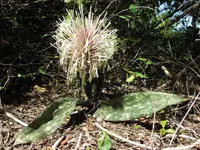
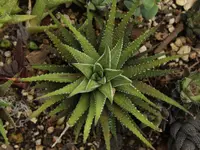
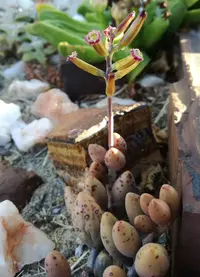
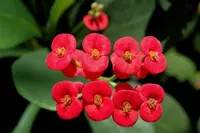
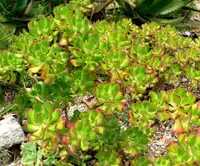
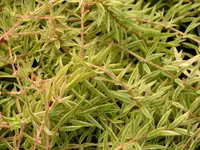
Adromischus sphenophyllus is a compact, slow-growing succulent from South Africa, valued for its thick, wedge-shaped leaves and tidy, clumping habit. The leaves often show subtle mottling or edges that color slightly under strong light, giving the plant a sculptural look. It typically stays small, which makes it suitable for windowsills and mixed succulent containers. Its main needs are bright light, porous soil, and careful watering that allows the roots to dry between soakings. These traits make it relatively easy to manage for growers who understand how to care for Adromischus sphenophyllus, but it can decline if kept in heavy, wet soil or low light for long periods.

Main Plant Requirements

Care Difficulty

Moderate Care

Light Preference

Partial Sun

Water Requirements

Low Water

Temperature Preference

Tropical / Frost Sensitive

Hardiness Zone

10–11

Soil Texture

Sandy, Loamy, Rocky

Soil pH

Slightly acidic (6.5–7.0), Neutral (7.0)

Soil Drainage

Well-drained

Fertilization

Minimal (feed rarely)

Get Personalized Care Plan

Scan your plant to receive care tips personalized for your specific plant

Available on iOS and Android

How to Care for the Adromischus sphenophyllus

This compact succulent needs bright light to keep its leaves firm and colored.

  • Provide 4–6 hours of direct morning sun with bright, filtered light for the rest of the day, especially in warm climates.
  • Tolerates light afternoon sun in cooler regions, but protect Adromischus sphenophyllus from harsh midday summer sun that can cause leaf scorch and dull patches.
  • In winter, move pots to the brightest spot available; leggy, stretched stems and pale new leaves indicate insufficient light and the need for more sun exposure.

This species stores water in its leaves and prefers infrequent, thorough watering.

  • Allow the top 3–5 cm of soil to dry completely before watering, then soak the root zone and let excess drain away fully.
  • Reduce watering strongly in winter, giving only enough when leaves start to soften slightly, while avoiding prolonged bone-dry soil for months.
  • Use a very fast-draining, gritty mix; wrinkled, thin leaves suggest underwatering, while mushy leaves, blackened bases, or a sour smell signal overwatering in Adromischus sphenophyllus.

This succulent prefers warm, dry conditions and dislikes cold, damp weather.

  • Aim for 65–80°F (18–27°C) during active growth, as this range supports steady leaf development without stress.
  • Protect the plant from cold below 40°F (4°C); brief dips to 35°F (2°C) may be tolerated if soil is dry, but frost can damage or kill tissues.
  • In hot spells above 90°F (32°C), give light shade and good air movement, and avoid high humidity combined with cool nights to reduce rot risk.

This species tolerates a wide humidity range and usually does not need special adjustment in homes.

  • Keep humidity around 30–50% to mimic the dry conditions where Adromischus sphenophyllus naturally occurs.
  • Dry indoor air is usually acceptable; prioritize light and watering accuracy over humidity changes.
  • If tips shrivel despite correct watering, raise humidity slightly with a nearby pebble tray rather than misting.

Use a very fast-draining, gritty mix to protect roots from moisture retention and rot.

  • Choose a sandy or gritty structure, such as 50–70% mineral components with 30–50% organic matter for basic nutrient holding.
  • Combine cactus mix with extra perlite, pumice, or coarse sand to improve drainage and aeration around the fine roots.
  • Aim for slightly acidic to neutral pH, roughly 6.0–7.0, which suits most succulents, including Adromischus sphenophyllus.
  • Avoid dense peat-heavy or clay-rich substrates that stay wet for long periods, especially in cool or low-light conditions.

This compact succulent is very suitable for container growing.

  • Select a shallow, wide pot that matches its spreading root system and reduces the risk of water sitting in deep soil layers.
  • Use a container material like unglazed terracotta if extra evaporation is needed in cool or low-light situations.
  • Ensure drainage holes are large and unobstructed so water leaves the pot quickly, preventing perched water at the bottom.

This compact succulent needs only light feeding for steady growth and to avoid soft, weak tissues.

  • Use a diluted balanced liquid fertilizer (around 10-10-10 or 20-20-20 at 1/4 strength) formulated for succulents.
  • Apply once every 4–6 weeks in spring and summer when Adromischus sphenophyllus is actively growing.
  • Skip fertilizer in late fall and winter to match its semi-dormant rest period.
  • Always water lightly before feeding to prevent root burn in dry soil.

Pruning needs are minimal and mostly focused on cleanliness and maintaining a compact shape.

  • Best time to prune is in late winter or early spring, just before active growth resumes.
  • Remove dead, shriveled, damaged, or diseased leaves close to the stem using clean, sharp scissors.
  • Pinch or trim leggy stems to keep Adromischus sphenophyllus dense and reduce stretching toward light.
  • Disinfect tools before and after use to lower the risk of fungal or bacterial infection.

This species prefers to stay slightly root-bound and does not need frequent repotting.

  • Repot every 2–3 years, or when roots circle the pot base, growth slows, or soil stays wet too long.
  • Choose late spring as the main time for repotting, coinciding with the start of strong growth.
  • Use a shallow container with excellent drainage and a gritty cactus mix to protect the roots.
  • Gently loosen the root ball, remove old soil, and keep roots barely disturbed, then water lightly after 2–3 days.

Adromischus sphenophyllus is commonly propagated from leaf or short stem cuttings under warm, dry conditions.

  • Take firm, healthy leaves or 2–4 cm stem tips in late spring or early summer.
  • Let cut surfaces callus for 2–5 days in dry air to reduce rot risk.
  • Place cuttings on or just in a gritty, barely moist cactus mix with bright, indirect light.
  • Maintain warmth around 70–75°F and low to moderate humidity until new roots and shoots form.

This succulent is not frost hardy and requires sheltered winter conditions, especially in cold climates.

  • Keep temperatures above 40°F; aim for 50–60°F for best health in winter.
  • Move outdoor containers indoors before the first frost and place in bright, cool light.
  • Use a very free-draining mix and reduce watering sharply to prevent cold, wet root rot.
  • Avoid drafts from single-pane windows or heaters that cause sudden temperature swings.

Care Tips

Rotate For Symmetry

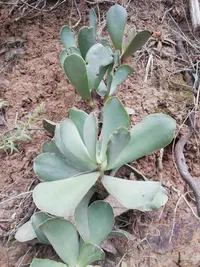
Turn the pot 90° every 2–3 weeks so all sides receive similar light, which keeps the rosette compact and prevents lopsided, stretched growth.

Stabilize Shallow Roots

Top-dress the soil with a thin layer of coarse grit or small stones to anchor the shallow root system and reduce stem wobble when the plant is bumped or moved.

Protect Leaf Edges

Avoid brushing against or handling the leaf tips, and place the pot slightly away from traffic paths so the brittle, triangular leaves do not snap and leave open wounds.

Use Cool-Dry Rest

In winter, keep the plant in a bright spot around 50–60°F with very sparse watering to encourage a tighter, more colorful rosette in the next active season.

Quarantine New Arrivals

Keep new succulents in a separate area for 2–3 weeks and inspect under leaves and along the stem for mealybugs or mites, which supports safer long-term Adromischus sphenophyllus care instructions.

Common Pests and Diseases

Mealybugs

This pest hides along leaf bases and stem joints, sucking sap and causing yellowing, leaf shriveling, and sticky honeydew deposits on the fleshy leaves. Symptoms include slowed growth and distorted new leaves, especially on compact rosettes.

Solution

Isolate the plant, then dab visible insects and cottony clusters with cotton swabs dipped in 70% isopropyl alcohol, repeating weekly until no new pests appear. Increase light and airflow, avoid overfertilizing, and, for heavier infestations, use a labeled insecticidal soap or neem oil spray, keeping it off the soil as much as possible to protect the roots.

Woolly aphids

These insects form fuzzy white colonies on young growth and between tightly packed leaves, feeding on sap and causing curling, misshapen leaves, and sticky honeydew. Symptoms include sooty mold growth on the honeydew and clusters hidden in the crevices of the rosettes.

Solution

Rinse colonies off with a firm stream of water, then treat remaining insects with insecticidal soap or a light neem oil spray, focusing on leaf axils and crevices. Repeat every 5–7 days until colonies disappear and keep the plant in bright, dry, well-ventilated conditions to reduce reinfestation risk.

Soft scale

This pest appears as flat or slightly domed brown or tan bumps on stems and lower leaf surfaces, where it feeds continuously on sap. Symptoms include sticky honeydew, sooty mold, and gradual weakening or shriveling of leaves despite normal watering.

Solution

Physically remove scale with a fingernail or soft brush dipped in 70% isopropyl alcohol, then wipe stems and undersides of leaves to dissolve remaining juveniles. For persistent problems, apply insecticidal soap to all plant surfaces at 7–10 day intervals and avoid excess nitrogen fertilizer, which encourages soft new growth that scale prefers.

Fungal leaf spots

This disease causes small brown to dark purple spots on leaves, often starting where water remains on the surface or around minor injuries. Symptoms include coalescing spots that form sunken patches and, in severe cases, localized tissue collapse on the thicker leaf margins.

Solution

Remove and discard affected leaves, then improve airflow and avoid overhead watering so leaves dry quickly. If spotting spreads, apply a sulfur or copper-based fungicide labeled for succulents, and keep the plant in bright, low-humidity conditions to support healthy new growth and reduce recurrence in Adromischus sphenophyllus indoor care.

Basal stem rot

This disease starts at the soil line, where the stem base becomes soft, discolored, and water-soaked while the upper plant may still look firm. Symptoms include sudden collapse of leaves and a foul odor from the affected tissue, often after chronic overwatering in cool conditions or poorly drained soil mixes.

Solution

At the first sign, unpot the plant, cut away all soft or discolored tissue, and take firm, healthy leaf or stem cuttings above the rot to re-root in a dry, gritty succulent mix. Discard contaminated soil, sterilize the pot, then in future water only when the mix is fully dry and use a very fast-draining mineral-rich substrate to minimize future rot risk.

Interesting Facts

Leaf shape variability

This species produces short, triangular to wedge-shaped leaves that can vary noticeably in width and tip bluntness even within a single clone, which makes it useful for studying natural variation in a small, localized succulent lineage.

Episodic growth pattern

In habitat-related conditions it grows in short, active bursts after rainfall and then remains almost static for long periods, a growth strategy that reflects its adaptation to highly erratic water availability in parts of South Africa.

Subtle surface markings

Mature leaves often show fine, dull spotting or mottling rather than bold patterns, and this muted surface patterning helps the plant blend with surrounding gravel and stone fragments in its native range.

FAQs about Adromischus sphenophyllus

This species stays very compact, usually forming small clumps only a few cm tall and wide. Growth is slow, with new leaves added gradually, which makes it suitable for small pots, windowsills, and rock gardens.

Grow Healthy Plants with Botan Care

Keep your plants happy and healthy with plant identification, disease detection, and easy care guidance.

Botan plant care app — identify plants on mobile

Explore More Plants