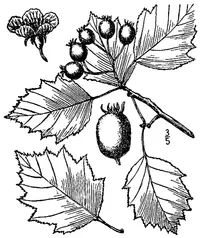
many-fruited aralia Care (Fatsia polycarpa)

many-fruited aralia

About many-fruited aralia

Many-fruited aralia (Fatsia polycarpa) is an evergreen shrub grown for its bold, glossy foliage and architectural shape. It forms a bushy, upright plant with large, lobed leaves and clusters of small, rounded fruits. Native to Taiwan, it naturally grows in woodland and shaded mountain areas, which explains its preference for sheltered, part-shade conditions. In gardens or containers it is valued as a structural plant that can soften walls, fences, or shaded corners. It is generally considered moderately easy to grow if protected from strong sun, drying winds, and waterlogged soil. Understanding how to care for many-fruited aralia starts with providing consistent moisture, fertile, well-drained soil, and protection from harsh exposure.

Main Plant Requirements

Care Difficulty

Moderate Care

Light Preference

Partial Shade

Water Requirements

Moderate Water

Temperature Preference

Warm Climate

Hardiness Zone

8–10

Soil Texture

Loamy, Clay, Organic-rich

Soil pH

Acidic (5.5–6.5), Slightly acidic (6.5–7.0)

Soil Drainage

Moist but well-drained

Fertilization

Light (every 4–6 weeks)

Get Personalized Care Plan

Scan your plant to receive care tips personalized for your specific plant

Available on iOS and Android

How to Care for the many-fruited aralia

Fatsia polycarpa prefers bright, indirect light similar to a lightly shaded woodland edge.

  • Provide 2–4 hours of soft morning sun with filtered or dappled shade the rest of the day, especially in summer.
  • Plant in partial to full shade outdoors; many-fruited aralia scorches in strong midday or afternoon sun, especially against south- or west-facing walls.
  • In deep shade, expect leggy growth and fewer leaves; increase light gradually by thinning overhead branches or moving to brighter, indirect exposure.

Fatsia polycarpa prefers steadily moist but not waterlogged soil.

  • Water when the top 3–5 cm of soil feels dry, allowing moisture deeper down to stay slightly damp, especially during active growth.
  • Use well-drained soil rich in organic matter; persistent sogginess causes yellowing leaves, soft stems, and root rot, while crisp edges and drooping signal underwatering.
  • Reduce watering in fall and winter, checking less often but still avoiding complete dryness, particularly in windy or exposed positions that increase evaporation.

This species prefers mild, frost-sheltered conditions with cool summers and relatively warm winters.

  • Aim for 55–75°F (13–24°C) for best growth, with steady conditions and protection from sudden cold snaps or hot, dry wind.
  • Mature plants tolerate brief drops to about 20–23°F (-6 to -5°C) if sheltered and mulched, but young plants are more cold-sensitive and may defoliate after hard frost.
  • In hot climates, protect from temperatures above 90°F (32°C) by providing shade and consistent soil moisture, as intense heat can cause leaf scorch and wilting.

This species benefits from moderate to high humidity, especially indoors.

  • Aim for 50–70% humidity for many-fruited aralia, as very dry rooms cause leaf edge browning and crisping.
  • Tolerates short periods of 30–40% humidity, but prolonged dryness leads to curling leaves and slowed growth.
  • Increase humidity with a pebble tray under the pot, grouping plants, or a humidifier rather than frequent misting.

This shrub prefers moist, well-drained, organic-rich soil that keeps roots aerated but not waterlogged.

  • Use a loamy mix of roughly 2 parts peat-free compost, 1 part pine bark, and 1 part perlite to balance moisture and airflow.
  • Ensure excess water can drain freely; standing water around roots increases risk of rot and fungal problems.
  • Aim for slightly acidic to neutral pH, roughly 6.0–7.0, which supports nutrient uptake for Fatsia polycarpa.
  • Improve heavy clay by incorporating coarse bark, grit, or perlite through the top 20–30 cm to prevent compaction and soggy pockets.

This species is well suited to container growing on patios or shaded balconies.

  • Choose a broad, heavy pot to counter the top-heavy canopy and reduce the risk of wind tipping the plant over.
  • Select a container slightly deeper than the root ball to allow downward root growth without creating a waterlogged sump at the base.
  • Use thick-walled terracotta or similar porous material to moderate moisture and prevent the mix staying saturated after rain.

Fatsia polycarpa responds well to modest feeding during the active growing season in containers or nutrient-poor soils.

  • Use a balanced liquid fertilizer (for example 10-10-10) at 1/2 strength every 4–6 weeks from spring to late summer.
  • Alternatively, apply a slow-release granular fertilizer once in spring, following label rates for container shrubs.
  • In the ground, many-fruited aralia often manages with just a light layer of compost around the root zone in spring.
  • Stop feeding in fall and winter to avoid soft, frost-tender growth and nutrient buildup in the potting mix.

Fatsia polycarpa benefits from light, structured pruning to maintain a tidy, balanced form.

  • Carry out main pruning in late winter to early spring before strong new growth begins.
  • Remove dead, damaged, or crossing stems first, then thin crowded shoots to improve airflow and light penetration.
  • Shorten overly long stems just above a leaf node to control height and encourage bushier growth.
  • Use sharp, clean bypass pruners to make angled cuts, reducing tissue damage and lowering the risk of infection.

Container-grown plants appreciate occasional repotting or transplanting to maintain root health and stable growth.

  • Check for roots circling the pot base, pushing through drainage holes, or slowed top growth as signs it needs a larger container.
  • Plan to move up 1 pot size every 2–3 years in early spring, when new growth is just starting.
  • Water the plant well before repotting, gently loosen circling roots, and trim only heavily congested or dead sections.
  • Replant at the same soil level in a free-draining, humus-rich mix, then water thoroughly and keep shaded for 5–7 days to limit stress.

This shrub is commonly propagated from semi-ripe stem cuttings or by seed for those wanting additional plants.

  • Take semi-ripe cuttings in late summer, 8–12 cm long, with 2–3 leaf nodes and the lower leaves removed.
  • Dip cut ends in rooting hormone, then insert into a moist, free-draining mix under high humidity and 68–75°F bottom warmth.
  • Provide bright, indirect light and consistent moisture; roots often form in 4–8 weeks if humidity does not drop.
  • Sow fresh seeds in spring in a cool, shaded spot outdoors or a cold frame, keeping the mix just evenly moist.

This species is moderately cold hardy but benefits from some winter protection in colder regions or exposed sites.

  • Tolerates light frosts, but prolonged drops below about 15–20°F can damage foliage and young stems.
  • Apply a 5–8 cm layer of mulch around the root zone in late fall, keeping it slightly away from the stems.
  • In very cold or windy locations, wrap the plant loosely with horticultural fleece to reduce leaf scorch and stem damage.
  • Move container-grown specimens into a sheltered, bright, frost-free space, watering sparingly while growth is slow.

Care Tips

Wind acclimation

If moving a plant from a sheltered spot to a breezier patio or garden, gradually expose it to wind over 7–10 days to strengthen stems and reduce the risk of leaf tearing or wind scorch.

Understory companion planting

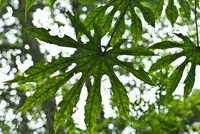
Plant it beneath taller, open-canopy shrubs or small trees to recreate its natural understory habitat, which stabilizes soil moisture, buffers temperature swings, and reduces leaf scorch from sudden sun exposure.

Snow and ice management

In colder regions, gently shake off heavy snow and ice from the large leaves and branches to prevent breakage, and avoid using de-icing salts nearby because runoff can damage roots and leaf edges.

Targeted pest scouting

Inspect the undersides of leaves and petiole bases every few weeks, especially in late winter and early spring, to catch scale and spider mites early and treat promptly with a horticultural oil if needed.

Container stabilization

For large potted specimens, use a wide, heavy container and top-dress with coarse gravel or small river stones to lower the center of gravity and keep the plant stable in wind or on exposed balconies when growing many-fruited aralia.

Common Pests and Diseases

Scale insects

This pest attaches to stems and leaf undersides, sucking sap and causing yellowing, sticky honeydew, and sooty mold on foliage.

Solution

Wipe stems and leaves with a cotton pad dipped in diluted alcohol or insecticidal soap, then rinse with water; repeat weekly until clear. For outdoor shrubs, prune heavily infested shoots and encourage natural predators such as lady beetles, and if needed use a targeted horticultural oil spray, coating all plant surfaces thoroughly.

Spider mites

These insects prefer the broad, leathery leaves in warm, dry air, causing fine stippling, dull foliage, and light webbing, especially on indoor or sheltered plants.

Solution

Shower the plant with a firm stream of lukewarm water, focusing on leaf undersides, and increase humidity around the plant. If mites persist, apply insecticidal soap or a labeled miticide at 5–7 day intervals, making sure to cover both upper and lower leaf surfaces.

Aphids

These insects feed on young shoots and the undersides of leaves, leading to distorted new growth and sticky honeydew that can attract sooty mold.

Solution

Dislodge colonies by spraying with water, then treat tender growth with insecticidal soap or a neem-based product, repeating as new aphids appear. Prune and dispose of heavily infested shoot tips to reduce population buildup and limit ant activity that protects aphids.

Leaf spot

This disease causes irregular brown to black spots, sometimes with yellow halos, especially on older or shaded leaves where moisture lingers.

Solution

Remove and discard affected leaves and any fallen debris, then improve air circulation and avoid wetting foliage when watering. In persistent or severe cases outdoors, apply a fungicide labeled for ornamental leaf spots during wet periods and monitor new growth for fresh lesions.

Powdery mildew

This disease appears as a white, powdery coating on upper leaf surfaces, which can lead to distortion and reduced vigor in shaded, poorly ventilated sites.

Solution

Increase light and airflow around the shrub by thinning crowded branches and avoiding overhead watering, then wipe or rinse affected foliage gently. If conditions favor repeat outbreaks, use a suitable ornamental fungicide or sulfur-based spray according to label directions, treating new growth as it appears as part of general Fatsia polycarpa care instructions.

Interesting Facts

Taiwan cloud-forest native

This species is naturally restricted to cool, humid cloud forests in central and northern Taiwan, where it grows on shaded slopes and forest margins rather than in lowland tropical habitats.

Distinctly hairy foliage

Unlike the smooth-leaved Japanese aralia, its leaves and young stems are noticeably hairy, an adaptation thought to reduce water loss and protect tissues in misty, high-altitude conditions.

Autumn–winter flower display

It produces spherical clusters of small cream flowers from late autumn into winter, offering nectar and pollen to insects when many other broadleaf shrubs in its native range are not in bloom.

Botan icon

Did you know?

In the wild, this species can grow as a semi-woody shrub to small tree on steep, mossy slopes, often rooting into rock crevices and forming part of the understory structure that stabilizes soil in Taiwan’s montane forests.

FAQs about many-fruited aralia

This species is generally considered non-toxic to cats and dogs, but chewing large amounts of foliage may still cause mild stomach upset. Keep pruned leaves and stems out of reach and monitor pets that like to nibble plants.

Grow Healthy Plants with Botan Care

Keep your plants happy and healthy with plant identification, disease detection, and easy care guidance.

Botan plant care app — identify plants on mobile

Explore More Plants