narrowleaf plantain lily Care (Hosta lancifolia)

Also known as: Narrow-leaved Plantain-lily, saji-giboshi
narrowleaf plantain lily

About narrowleaf plantain lily

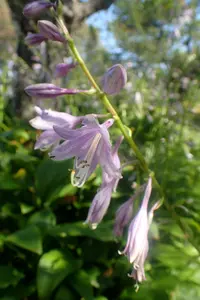
Narrowleaf plantain lily (Hosta lancifolia) is a compact, clump-forming perennial grown mainly for its neat mounds of glossy, lance-shaped leaves. It sends up slender stems with lavender, funnel-shaped flowers that add light color without overwhelming nearby plants. Native to Japan, it performs well in temperate gardens and is widely used along borders, paths, and shaded foundations. This hosta is considered reliable and forgiving, which makes it easier to care for narrowleaf plantain lily than many fussier shade plants. It generally prefers partial shade, consistent moisture, and well-drained, humus-rich soil for steady, healthy growth.

Main Plant Requirements

Care Difficulty

Easy Care

Light Preference

Partial Shade

Water Requirements

Regular Water

Temperature Preference

Cold Hardy

Hardiness Zone

3–8

Soil Texture

Loamy, Silty, Organic-rich

Soil pH

Acidic (5.5–6.5), Slightly acidic (6.5–7.0)

Soil Drainage

Moist but well-drained

Fertilization

Light (every 4–6 weeks)

Get Personalized Care Plan

Scan your plant to receive care tips personalized for your specific plant

Available on iOS and Android

How to Care for the narrowleaf plantain lily

Hosta lancifolia performs best in cool, filtered light with limited direct sun exposure.

  • Provide 2–4 hours of gentle morning sun with bright shade or dappled light the rest of the day, especially in USDA zones 4–8.
  • Avoid strong midday and afternoon sun, which can scorch leaves and cause brown edges, especially during hot, dry spells.
  • In deep shade, expect slower growth and thinner clumps; ensure at least bright open shade, and increase light slightly in cooler climates for denser foliage.

This species prefers consistently moist, well-drained soil rather than either soggy or dry conditions.

  • Water when the top 2–4 cm of soil feels dry, aiming to re-wet the root zone to about 10–15 cm depth each time.
  • Increase watering frequency during hot, dry periods and reduce it in cool, rainy weather, allowing excess water to drain freely.
  • Watch for yellowing, limp leaves as a sign of overwatering and dry, crisp edges or drooping foliage as indicators of underwatering in Hosta lancifolia.

This hardy perennial tolerates cold winters and moderate summer heat if soil moisture is stable.

  • Active growth is strongest around 60–75°F (16–24°C), with leaves expanding well in cool to mild spring and early summer conditions.
  • Dormant crowns typically survive down to about -20°F (-29°C) under mulch or snow cover, making outdoor overwintering reliable in many temperate regions.
  • During hot spells above 85°F (29°C), provide shade and sufficient soil moisture, as prolonged heat and dry soil can stress plants and cause leaf scorch.

Hosta lancifolia grows well in typical outdoor humidity but benefits from moderate moisture in the air.

  • Aim for 40–60% humidity, which is usually present in shaded garden beds or sheltered patios.
  • Plants tolerate short dry spells but leaf edges may brown and tips crisp if air stays very dry with strong sun or wind.
  • If narrowleaf plantain lily shows repeated edge burn, group plants, add organic mulch, or place near other vegetation to slightly raise localized humidity.

Hosta lancifolia prefers consistently moist, airy soil that holds water yet drains freely.

  • Use a loamy, organic-rich soil with noticeable crumb structure so roots receive both moisture and oxygen.
  • Aim for slightly acidic to neutral pH around 6.0–7.0, incorporating composted bark or leaf mold to maintain structure.
  • Improve drainage in heavy clay by mixing in coarse compost, pine bark fines, and a small amount of sharp sand, avoiding compaction.
  • Avoid waterlogged, sticky sites or pure sand, which cause either root rot from saturation or rapid drying and stress.

This species is well suited to container growing on shaded patios or balconies.

  • Choose a wide, moderately deep pot that allows the clump to spread horizontally without crowding the crown against the rim.
  • Use a heavier material such as ceramic when exposed to wind so the leafy mound does not tip the container.
  • Fill with a moisture-retentive but draining mix, for example compost-based potting soil amended with pine bark for structure and aeration.

Hosta lancifolia benefits from modest, consistent feeding during its active growing season.

  • Apply a balanced slow-release fertilizer (around 10-10-10) in early spring as shoots emerge, following label rates.
  • Supplement with a light application of compost around the clump to improve soil structure and steady nutrient release.
  • If using liquid feed, use a balanced NPK at 1/2 strength every 4–6 weeks until late summer.
  • Stop feeding narrowleaf plantain lily in late summer to early fall so growth can harden off before winter dormancy.

Pruning Hosta lancifolia focuses on cleanliness and maintaining a neat clump rather than shaping.

  • In spring, remove any dead or mushy leaves left from winter using clean, sharp hand pruners or scissors.
  • During the growing season, cut off yellowing, torn, or slug-damaged leaves at the base to reduce disease risk.
  • Deadhead spent flower stalks after blooming to direct energy back into foliage and root growth.
  • In late fall, once frost has collapsed the foliage, shear remaining leaves to soil level and dispose of debris.

This hosta is usually grown in the ground, so care focuses on dividing and transplanting mature clumps.

  • Plan division and transplanting every 3–5 years in early spring as shoots just emerge, or in early fall with cool, moist weather.
  • Look for crowded clumps, reduced leaf size, or bare centers as signs that Hosta lancifolia needs division and fresh space.
  • Dig widely around the root mass, lift gently, then split the clump into sections with several shoots and healthy roots each.
  • Replant divisions at original depth in enriched, moist soil, water thoroughly, and keep evenly moist for several weeks to limit stress.

Division is the standard and most reliable method for propagating Hosta lancifolia.

  • Divide established clumps in early spring as pips (emerging shoots) appear, or in early fall when temperatures are cooler.
  • Lift the entire clump, wash or shake off soil, and cut into sections, each with multiple buds and intact roots.
  • Replant divisions promptly at the same soil depth, spacing them to allow mature spread and good air flow.
  • Keep soil consistently moist but not waterlogged for several weeks, providing partial shade to support quick root establishment.

This hosta is cold hardy and usually needs minimal winter care in most temperate climates.

  • After hard frost, allow foliage to die back, then cut it to soil level and remove debris to limit pests and disease.
  • Apply a 5–8 cm layer of mulch over the root zone in late fall, keeping it slightly away from the crown.
  • Container-grown plants in colder regions should be moved to a sheltered, unheated but frost-moderated spot, or the pot insulated.

Care Tips

Slug barrier management

Place a 2–3 in wide band of coarse gravel or crushed stone around clumps and keep mulch pulled back from leaf bases to reduce slug and snail damage without relying solely on pellets.

Division timing strategy

Divide mature clumps every 4–6 years in early spring just as new shoots emerge, replanting divisions at the same depth and watering deeply once to encourage quick establishment and maintain strong foliage displays.

Scape removal practice

Cut flower scapes at the base once blooms fade to redirect energy into root and leaf growth, which helps maintain dense, uniform mounds through the season.

Leaf sanitation routine

Remove and dispose of heavily chewed or discolored leaves during the season and clear all foliage in fall to lower overwintering sites for slugs, foliar nematodes, and fungal spores when caring for narrowleaf plantain lily.

Edge protection planning

Plant 15–30 cm inside bed borders or use low edging stones so expanding clumps do not get damaged by mower or string trimmer, preserving the clean, arching habit of the leaves.

Common Pests and Diseases

Slugs and snails

This pest is highly attracted to the tender foliage and can quickly skeletonize leaves, especially on young or shaded plants. Symptoms include irregular holes, shredded edges, and slime trails on or around the plant.

Solution

Hand-pick at dusk or dawn, use beer traps or iron phosphate pellets, and remove daytime hiding spots like boards or dense mulch. Copper tape barriers and coarse dry mulches around clumps help deter movement and protect leaves without harming the plant or soil life.

Foliar nematodes

These microscopic worms live inside the leaves and feed between veins, causing tan to dark-brown streaks that run along the leaf tissue but stop at the veins. Symptoms include patchy, water-soaked areas that turn necrotic and often appear mid to late season.

Solution

Remove and discard infected leaves in the trash and avoid overhead watering that keeps foliage wet. Space plants for good airflow, water at soil level in the morning, and if infestations are severe, dig out and destroy affected clumps to protect nearby hostas, following conservative Hosta lancifolia care instructions for replanting healthy stock.

Hosta virus X

This disease causes mottled, streaked, or ink-bleed patterns on leaves, sometimes with twisted or puckered growth. Symptoms include abnormal color patches that follow the veins and do not look like normal variegation.

Solution

Immediately remove and discard any suspect plants, including roots, and do not compost infected material. Disinfect pruning tools between plants with a 10% bleach solution or 70% alcohol, and only buy new hostas from reputable suppliers that test for Hosta virus X.

Crown rot (southern blight)

This disease affects the crown at soil level, causing a sudden wilt, yellowing, and collapse of leaves, often with white fungal growth and small tan sclerotia (seed-like structures) around the base. Symptoms include rotting tissue at the crown that smells sour or musty.

Solution

Dig out and discard the entire plant and surrounding soil where the white fungal mat and sclerotia are visible. Improve drainage, avoid overmulching the crown, and rotate planting locations, keeping new hostas in well-drained soil with moderate watering to reduce future risk.

Black vine weevil

These insects chew characteristic notches along leaf edges at night, while their larvae feed on roots and crowns, which can stunt growth or cause plants to wilt and decline. Symptoms include crescent-shaped notches on leaves and poor vigor despite adequate moisture and shade.

Solution

Inspect at night and hand-pick adults from foliage, and use beneficial nematodes in the soil to target larvae around the root zone. Remove dense groundcovers near hostas, and use sticky traps or corrugated cardboard rolls as simple monitoring tools to detect adult activity early.

Interesting Facts

Narrow leaves adaptation

This species has distinctly narrow, lance-shaped leaves compared with many other hostas, an adaptation that sheds water quickly and helps reduce leaf damage in heavy late-summer rains.

Late-season flowering habit

Plants typically send up flower scapes in late summer to early fall, often blooming later than many popular hosta cultivars, which extends nectar availability for bees and other pollinators when many earlier perennials are finishing.

Stable clumping growth

It forms dense, uniform clumps from rhizomatous crowns, and unlike some variegated hostas it rarely reverts in leaf color, which makes Hosta lancifolia plant care more predictable in long-term plantings.

FAQs about narrowleaf plantain lily

This species forms dense clumps and spreads slowly outward by short rhizomes. It does not usually behave aggressively. Clumps can be divided every few years to control size or to create more plants.

Grow Healthy Plants with Botan Care

Keep your plants happy and healthy with plant identification, disease detection, and easy care guidance.

Botan plant care app — identify plants on mobile

Explore More Plants