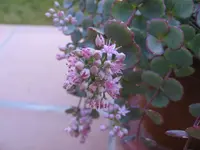
splendens Care (Haworthia magnifica)

splendens

About splendens

Haworthia magnifica, often sold under the name splendens, is a compact succulent from arid regions of South Africa. It forms low rosettes of thick, triangular leaves. The leaves are usually dark green to brownish, with translucent windows and patterned ridges that let light into the inner tissues. Plants grow slowly and stay small, which makes them suitable for windowsills and small indoor spaces. This species is generally forgiving if overwatering is avoided, so many growers find it straightforward to manage. It prefers bright, indirect light, a very free-draining mineral-rich soil mix, and careful watering during active growth. Many guides on how to care for splendens emphasize consistent, gentle conditions rather than frequent changes.

Main Plant Requirements

Care Difficulty

Easy Care

Light Preference

Bright Indirect Light

Water Requirements

Low Water

Temperature Preference

Tropical / Frost Sensitive

Hardiness Zone

10–11

Soil Texture

Sandy, Loamy, Rocky

Soil pH

Slightly acidic (6.5–7.0), Neutral (7.0)

Soil Drainage

Well-drained

Fertilization

Minimal (feed rarely)

Get Personalized Care Plan

Scan your plant to receive care tips personalized for your specific plant

Available on iOS and Android

How to Care for the splendens

Haworthia magnifica prefers bright, indirect light with limited direct sun exposure.

  • Provide 4–6 hours of bright, filtered light daily, such as near an east-facing window or in light shade outdoors.
  • Allow only gentle morning sun; harsh midday or afternoon sun can scorch leaves, while splendens types may bronze or bleach under intense exposure.
  • In winter, move plants to the brightest spot available to compensate for short days, but still avoid strong direct midday sun behind glass.

Haworthia magnifica prefers infrequent, thorough watering that allows the soil to dry between soakings.

  • Water only when the top 2–4 cm of soil are completely dry, then water deeply so excess drains away quickly.
  • Reduce watering sharply in winter, especially below 65°F (18°C), and never let the plant sit in waterlogged or poorly drained soil.
  • Watch leaves for clues: soft, translucent, or yellowing leaves suggest overwatering, while very wrinkled, folding leaves indicate it needs water soon.

This species grows best in moderately warm, stable temperatures without frost or extreme heat swings.

  • Aim for 65–80°F (18–27°C) for active growth, with slightly cooler nights improving resilience and slowing stress.
  • Protect the plant from temperatures below 40°F (4°C); prolonged exposure near freezing or frost can cause tissue damage or rot.
  • In hot spells above 90°F (32°C), give bright shade, increase airflow, and avoid dark containers that overheat the roots.

Haworthia magnifica prefers dry indoor air and does not need elevated humidity.

  • Target 30–50% relative humidity, similar to most heated or air-conditioned homes.
  • The plant tolerates drier air well; soft, translucent, or collapsing leaves suggest excess moisture rather than low humidity.
  • If air is extremely dry and hot, place the pot away from direct heater vents instead of using trays or humidifiers, which suit splendens less.

Use a sharply draining, gritty mix to protect Haworthia magnifica roots from standing moisture.

  • Choose a sandy, mineral-rich mix that feels coarse rather than spongy, such as commercial cactus mix lightened further with extra grit.
  • Aim for pH around 6.0–7.0; most cactus and succulent mixes fall naturally in this slightly acidic to neutral range.
  • Combine roughly 50–70% inorganic components (pumice, perlite, coarse sand, small grit) with 30–50% low-peat organic matter to balance drainage and moisture retention.
  • Avoid heavy, fine-textured potting soil or clay-rich garden soil, which compacts, reduces aeration, and greatly increases risk of root rot.

This species is very suitable for container growing due to its compact, shallow-rooted habit.

  • Use a pot only 2–4 cm wider than the rosette so the mix dries evenly instead of staying wet in unused outer zones.
  • Choose a shallow container profile that matches the shallow root system and limits waterlogged lower layers.
  • Select unglazed terracotta when possible, since its porous walls help excess moisture evaporate faster from the root zone.

Haworthia magnifica has low nutrient needs, but light feeding supports healthy growth in containers.

  • Use a balanced liquid succulent fertilizer (around 10-10-10) diluted to 25–50% strength.
  • Feed every 4–6 weeks in spring and summer only, on already moist soil.
  • Do not fertilize in fall and winter when growth slows and roots rest.
  • For caring for splendens and similar forms, avoid compost-rich mixes that stay wet or salty.

Haworthia magnifica needs minimal pruning, mainly to maintain cleanliness and rosette shape.

  • Best time is during active growth in spring or early summer.
  • Remove dried, yellow, or damaged leaves by gently pulling or cutting at the base with clean scissors.
  • Thin out crowded offsets only if they distort the main rosette or limit airflow.
  • Discard any soft, rotting tissue promptly to reduce fungal and bacterial problems.

This slow-growing succulent prefers slightly snug pots and infrequent repotting.

  • Repot every 3–4 years or when roots circle the pot, drainage slows, or growth stalls.
  • Choose late spring as the best time, using a shallow pot with extra drainage holes and gritty succulent mix.
  • Lift the plant gently, remove loose old soil, and keep root disturbance minimal to limit stress.
  • After repotting, keep in bright shade and water lightly after 3–5 days to allow any root wounds to dry.

Haworthia magnifica is most commonly propagated by division of offsets around the mother rosette.

  • Divide offsets in late spring or early summer when repotting the plant.
  • Gently separate pups with roots using a clean knife if needed, then let cut surfaces dry 1–2 days.
  • Plant offsets in a dry, gritty succulent mix and keep in bright, indirect light.
  • Water sparingly until firm new roots form, then transition to normal care.

This succulent is not frost hardy and benefits from thoughtful winter conditions, especially in cool climates.

  • Keep indoor temperatures around 55–70°F and avoid prolonged exposure below 40°F.
  • Move container plants indoors before frost, placing them in bright, indirect light.
  • Reduce watering sharply in winter, allowing the mix to dry almost completely between light waterings.
  • Ensure the potting mix stays airy and not cold-soggy to limit root rot risk.

Care Tips

Rotate For Symmetry

Rotate the pot 90° every 3–4 weeks so light hits all sides evenly, which keeps the rosette compact and prevents the leaves from leaning or stretching to one side.

Use Top Dressing

Apply a 0.5–1 cm layer of inert gravel or pumice on the soil surface to reduce algae and fungus gnat issues, keep leaf bases dry, and make it easier to see when the mix has fully dried.

Seasonal Rest Adjustment

During the hottest, brightest months, slightly reduce watering frequency and avoid repotting, as this species often slows growth and is less tolerant of disturbance in peak summer heat.

Check Roots By Tapping

Once a year, gently slide the plant out of its pot by tapping the sides; if roots densely circle the root ball, plan to move it into a container 1–2 cm wider to maintain healthy growth.

Targeted Pest Monitoring

Inspect the leaf bases and the narrow spaces between leaves every few weeks with a flashlight or magnifying glass, since mealybugs and scale often hide deep in these sheltered areas before they become visible on the outer foliage.

Common Pests and Diseases

Mealybugs

This pest hides in leaf bases and roots, sucking sap and causing slow decline, yellowing, and distorted new growth. Symptoms include cottony white clusters in the rosette center or around roots when repotting.

Solution

Isolate the plant, then dab visible insects with cotton swabs dipped in 70% isopropyl alcohol and rinse the rosette with a firm stream of water, taking care not to leave water trapped in leaf axils. For persistent infestations, use a labeled systemic insecticide for succulents or repeated applications of insecticidal soap, and inspect offsets and roots during repotting as part of Haworthia magnifica care.

Aloe mite

This pest (eriophyid mite) causes abnormal, wart-like or cauliflower-like growths, especially in leaf bases and around the crown. Symptoms include thickened, distorted tissue that does not return to normal once damaged.

Solution

Remove and discard all affected leaves and rosettes, cutting well into healthy tissue and sterilizing tools between cuts with alcohol. In severe cases it is safer to destroy the entire plant and its soil, then start again from clean, mite-free stock and keep new plants quarantined and inspected regularly.

Soft scale

These insects attach to leaves and leaf bases, appearing as small, flat or dome-shaped brown or tan bumps. This pest excretes sticky honeydew that can attract sooty mold and ants.

Solution

Gently scrape or wipe off visible scale with a cotton pad or soft brush dipped in 70% isopropyl alcohol, then rinse the plant. Follow with several rounds of horticultural oil or insecticidal soap at 7–10 day intervals, keeping the plant in bright, indirect light and avoiding oil use in very high heat to prevent leaf damage.

Fungal leaf spotting

This disease appears as small, sunken, brown or black spots, often starting on older leaves under conditions of high humidity, poor airflow, or water sitting on the foliage. Symptoms include slow-spreading lesions that may coalesce and cause tissue collapse.

Solution

Remove affected leaves with sterile tools and discard them, then improve airflow, reduce overhead watering, and allow the substrate to dry more between waterings. If spotting continues, apply a copper-based or other labeled fungicide for succulents according to the product instructions and ensure the rosette dries quickly after any watering.

Basal crown rot

This disease affects the crown where leaves join the stem, often after chronic overwatering or cold, wet conditions. Symptoms include a mushy, discolored base, easy leaf detachment, and a sour or rotten odor at the plant center.

Solution

At early stages, unpot the plant, cut away all soft, brown tissue, and dust cut surfaces with a sulfur or biological fungicide, then re-root only firm, healthy offsets in a fast-draining succulent mix. If the crown is fully mushy the plant cannot be saved; discard the plant and soil, disinfect the pot, and adjust watering to light, infrequent applications with excellent drainage when you next grow Haworthia magnifica.

Interesting Facts

Translucent leaf windows

This species forms dark, triangular rosettes with translucent leaf tips, known as windowed tissue, that allow light to penetrate into the inner photosynthetic cells while the plant remains partly buried and protected from harsh sun.

Naturally cryptic growth

In habitat, many rosettes grow nearly flush with the soil and can be partly covered by sand or debris, which helps reduce water loss and makes the plant less visible to herbivores in its arid South African environment.

Highly localized distribution

Wild populations occur in a relatively restricted area of the Western Cape, South Africa, often on specific rocky or sandy substrates, which contributes to significant variation among local forms valued by collectors of Haworthia magnifica plant care.

Botan icon

Did you know?

Some wild forms show extreme flattening of the rosette, with leaves spread almost horizontally at soil level, an adaptation that allows the plant to exploit low-angle light while minimizing exposure to intense midday radiation and desiccating winds.

FAQs about splendens

Growth is slow. Expect only a few new leaves per year and very modest size increase. In typical home conditions, a small rosette may take several years to noticeably enlarge or fill its pot.

Grow Healthy Plants with Botan Care

Keep your plants happy and healthy with plant identification, disease detection, and easy care guidance.

Botan plant care app — identify plants on mobile

Explore More Plants