Indian chrysanthemum Care (Chrysanthemum indicum)

Indian chrysanthemum

About Indian chrysanthemum

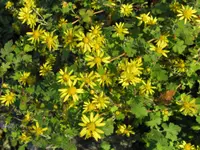
Indian chrysanthemum, Chrysanthemum indicum, is a compact, herbaceous flowering plant valued for its abundant daisy-like blooms in yellow, white, or sometimes soft pink shades. It typically forms bushy clumps with many branched stems and neat, lobed leaves.

This species is native to East Asia, especially China and surrounding regions, where it grows in open fields, grassy slopes, and light woodland edges. It has been widely cultivated and bred into many garden forms.

The plant is generally considered manageable for beginners, as it responds well to pruning and regular pinching to keep a tidy, floriferous shape. To care for Indian chrysanthemum successfully, provide bright light, moderate moisture, and well-drained, fertile soil.

Main Plant Requirements

Care Difficulty

Moderate Care

Light Preference

Full Sun

Water Requirements

Regular Water

Temperature Preference

Cool Climate

Hardiness Zone

5–9

Soil Texture

Loamy, Sandy, Organic-rich

Soil pH

Acidic (5.5–6.5), Slightly acidic (6.5–7.0)

Soil Drainage

Moist but well-drained

Fertilization

Moderate (every 2–4 weeks)

Get Personalized Care Plan

Scan your plant to receive care tips personalized for your specific plant

Available on iOS and Android

How to Care for the Indian chrysanthemum

This species prefers bright, direct light for strong flowering and compact growth.

  • Provide 6–8 hours of sun daily, with morning sun and light afternoon shade ideal in hot summers to prevent leaf scorch.
  • Tolerates light partial shade (3–4 hours sun), but Indian chrysanthemum may produce fewer, smaller blooms and stretch toward light.
  • In regions with intense summer sun, use filtered light or shade cloth during midday; in fall, ensure unobstructed sun to maximize bud and flower development.

Chrysanthemum indicum performs best in evenly moist, well-drained soil without long dry or soggy periods.

  • Water when the top 2–3 cm of soil feels dry, soaking the root zone thoroughly, then let excess drain away to avoid root rot.
  • Increase monitoring during hot, windy weather, as wilting, dull leaves, or drooping flower stems signal the need for deeper watering.
  • Reduce frequency in cool fall and after flowering; yellowing lower leaves, a sour soil smell, or mushy stems indicate overwatering and poor drainage.

This plant grows best in mild conditions, with cool nights that encourage strong budding and flowering.

  • Aim for 60–75°F (16–24°C) during active growth; slightly cooler nights around 50–60°F (10–16°C) help set compact, flower-heavy plants.
  • Established plants tolerate brief drops to about 25–28°F (-4 to -2°C), but repeated hard frosts or frozen soil can kill top growth.
  • Heat above 85°F (29°C), especially with dry soil, can cause bud drop and leaf scorch, so provide afternoon shade and consistent moisture in hot periods.

This species grows best in moderately humid air but usually adapts to typical indoor levels.

  • Aim for 40–60% humidity; below 30% for long periods can dry leaf edges and shorten flowering.
  • Dry indoor heating can cause crisp leaf margins and bud drop, especially for Indian chrysanthemum grown in pots.
  • Increase humidity locally with a pebble tray or grouping plants, rather than misting, to avoid prolonged leaf wetness.

Chrysanthemum indicum prefers airy, moisture-retentive but free-draining soil to support fast growth and abundant flowering.

  • Use a loose loam-based mix: 2 parts all-purpose potting mix, 1 part compost, 1 part perlite or coarse sand for drainage.
  • Target a slightly acidic to neutral pH around 6.0–7.0, which keeps nutrients available and reduces risk of micronutrient lockout.
  • In heavy clay, improve structure by working in ample compost and fine bark to increase aeration and prevent waterlogging.
  • Avoid compacted, soggy, or peat-only media, which encourage root rot and weak, floppy stems due to lack of oxygen.

This species is well suited to container growing and responds reliably with compact, floriferous growth.

  • Choose a wide, stable pot that matches the expected canopy spread so stems are not forced upright and crowded.
  • Select a container material with moderate breathability, such as glazed ceramic, to balance moisture retention with root aeration.
  • Raise the pot slightly on feet or bricks so drainage holes clear the surface and excess water runs off quickly after rain or watering.

Chrysanthemum indicum responds well to modest, consistent nutrition during active growth.

  • Use a balanced water-soluble fertilizer (around 10-10-10 or 20-20-20) at 1/2 strength every 2–3 weeks in spring–early fall.
  • Alternatively, apply a thin layer of well-rotted compost or a low-dose slow-release fertilizer at the start of the growing season.
  • Water before and after feeding to reduce root burn and distribute nutrients evenly.
  • Stop or reduce feeding to once every 6–8 weeks at very low strength during winter dormancy.

Targeted pruning keeps Chrysanthemum indicum compact and encourages heavy flowering.

  • In late spring to early summer, pinch or shear soft tips to promote bushier growth and more flowering stems.
  • Remove dead, damaged, or crossing stems whenever noticed, using clean, sharp scissors or pruners.
  • After flowering, cut stems back to 5–10 cm above the soil to tidy the plant and stimulate fresh shoots.
  • Disinfect tools between plants to lower the risk of spreading fungal or bacterial diseases.

Container-grown Chrysanthemum indicum benefits from periodic repotting or transplanting to maintain vigorous growth.

  • Check for roots circling the pot, reduced flowering, or fast-drying soil as signs repotting is needed, usually every 1–2 years.
  • Repot or transplant in early spring or immediately after flowering, avoiding hot, dry periods.
  • Choose a container 2–5 cm wider with free-draining potting mix, and gently loosen circling roots before planting.
  • Water thoroughly after moving, keep in bright but gentle light for 5–7 days, and avoid heavy fertilization until new growth appears.

Chrysanthemum indicum is commonly multiplied by cuttings and division for consistent flowering quality.

  • Take 7–10 cm softwood cuttings in late spring, remove lower leaves, and root in moist, well-draining mix under bright, indirect light.
  • Use a rooting hormone to increase success and maintain high humidity with a loose plastic cover and regular ventilation.
  • Divide mature clumps in early spring or after flowering, replanting vigorous outer sections with healthy roots and shoots.
  • Seeds can be sown indoors in late winter at 65–70°F on the surface of fine mix, kept evenly moist until germination.

Chrysanthemum indicum has moderate cold tolerance but benefits from simple winter care in colder regions.

  • In climates below about 20°F, treat as a tender perennial and expect top growth to die back.
  • After the first hard frost, cut stems back to 5–10 cm and apply 5–8 cm of mulch around the root zone.
  • For containers, move pots to a sheltered, frost-free but cool spot and water sparingly to keep soil just barely moist.
  • In mild climates, reduce watering, leave some stems as markers, and renew mulch in late winter before regrowth.

Care Tips

Timed pinching

Pinch out soft shoot tips 2–3 times between early spring and mid-summer, stopping 8–10 weeks before expected flowering to create a bushier plant with many more, shorter-stemmed blooms.

Support before buds

Install low ring supports or a grid of soft ties around the plant when stems reach 15–20 cm, so that heavy flowering heads are held upright without snapping in wind or rain.

Hygienic deadheading

Remove spent flower heads and any yellowing leaves promptly with clean, disinfected pruners to reduce fungal spore load and extend the overall blooming period.

Targeted pest scouting

Check the undersides of leaves and new growth twice a week during warm weather for aphids, thrips, and spider mites, and treat early with insecticidal soap or horticultural oil before infestations build.

Planned rotation

Avoid planting in the same ground bed for more than 2–3 consecutive years; rotate to a fresh spot or use containers to reduce soil-borne disease pressure and improve long-term success when growing Indian chrysanthemum.

Common Pests and Diseases

Chrysanthemum aphids

This pest consists of small soft‑bodied insects that cluster on tender shoots, buds, and the undersides of leaves, sucking sap and causing curling or distortion. Symptoms include sticky honeydew and sooty mold on foliage and flower buds.

Solution

Prune off heavily infested tips, then wash remaining colonies off with a firm stream of water, repeating every few days. For persistent infestations, use insecticidal soap or a ready‑to‑use neem oil spray, applied thoroughly to leaf undersides and young growth, and reduce excess nitrogen fertilization that encourages soft, aphid‑prone shoots.

Leaf miners

This pest is caused by fly larvae tunneling inside leaves, producing winding, pale trails that reduce photosynthesis and weaken plants. Symptoms include thin serpentine lines that widen as larvae grow, often more noticeable on older foliage.

Solution

Remove and discard affected leaves as soon as mines appear to break the life cycle. In outdoor plantings, floating row covers can reduce egg‑laying, and targeted applications of neem oil or a spinosad‑based product to young foliage help control larvae while minimizing impact on beneficial insects.

Chrysanthemum white rust

This disease produces pale yellow spots on the upper leaf surface and white to buff‑colored pustules on the underside, leading to premature leaf drop and stunting. Symptoms include patchy defoliation starting on lower leaves and moving upward in humid, cool conditions.

Solution

Promptly remove and destroy all infected leaves and any severely affected plants, and avoid overhead watering to keep foliage dry. Improve spacing and airflow, disinfect tools, and, where the disease is established outdoors, follow local guidance on fungicide use and avoid overwintering infected plants or plant debris nearby.

Powdery mildew

This disease appears as white, powdery patches on upper leaf surfaces, stems, and buds, leading to yellowing, distortion, and reduced flowering. Symptoms include a dusty coating that spreads quickly in dry air with poor air movement, especially on crowded plants.

Solution

Thin or space plants to improve airflow and avoid wetting foliage in the evening. Remove heavily infected leaves and apply a labeled fungicide such as sulfur or potassium bicarbonate at the first sign of disease, while also avoiding excessive shade that favors powdery mildew development on Chrysanthemum indicum.

Fusarium wilt

This disease is caused by a soil‑borne fungus that invades the plant’s vascular system, leading to one‑sided wilting, yellowing, and eventual collapse, often starting on older leaves. Symptoms include brown discoloration in the stem when it is cut open near the base.

Solution

Immediately discard wilted plants with confirmed symptoms and do not compost them, as the fungus persists in soil. Use clean pots and fresh, well‑draining substrate for Indian chrysanthemum indoor care, avoid reusing contaminated soil, and source disease‑free cuttings or nursery stock to prevent introduction of the pathogen.

Interesting Facts

Wild ancestor role

This species is considered one of the main wild ancestors used in breeding modern decorative chrysanthemums, contributing traits such as flower form and autumn flowering time.

East Asian distribution

Chrysanthemum indicum occurs naturally in East Asia, especially in China, Korea, and Japan, where it grows in open grasslands, roadsides, and sunny slopes at low to mid elevations.

Edible flower use

In parts of East Asia, selected forms of this species are used as edible flowers and young leaves in teas and seasonal dishes, after proper processing to ensure suitable flavor and safety.

Botan icon

Did you know?

In traditional East Asian horticulture, Chrysanthemum indicum has been used for centuries as breeding material to develop cold-tolerant and autumn-flowering garden chrysanthemums, making it a foundational species behind many modern ornamental cultivars.

FAQs about Indian chrysanthemum

Lack of flower buds usually comes from insufficient light, too much nitrogen fertilizer, or pruning too late in the season. Crowded roots and heat stress can also reduce flowering. Correct these issues gradually to restore normal bud production.

Grow Healthy Plants with Botan Care

Keep your plants happy and healthy with plant identification, disease detection, and easy care guidance.

Botan plant care app — identify plants on mobile

Explore More Plants