dense false gilyflower Care (Allophyllum gilioides)

Also known as: purple false gilia, dense false gilia
dense false gilyflower

About dense false gilyflower

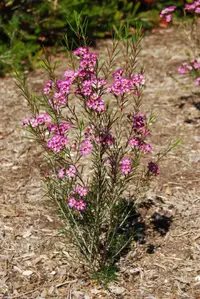
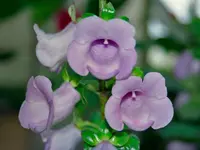
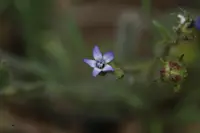
Dense false gilyflower (Allophyllum gilioides) is a small, branching annual wildflower in the bellflower family, grown mainly for its fine texture and soft color. It typically forms loose clumps with slender stems and narrow leaves, topped with clusters of small tubular flowers in shades of pale blue to violet. In nature, it occurs in dry, open habitats of western North America, often on rocky slopes and well-drained soils. The plant prefers sunny conditions and lean, low-fertility soil, which makes it better suited to informal, naturalistic plantings than to rich, heavily watered beds. These traits mean it is not difficult to grow but does require attention to site choice and drainage to care for dense false gilyflower successfully.

Main Plant Requirements

Care Difficulty

Moderate Care

Light Preference

Full Sun

Water Requirements

Moderate Water

Temperature Preference

Warm Climate

Hardiness Zone

7–10

Soil Texture

Sandy, Loamy, Rocky

Soil pH

Slightly acidic (6.5–7.0)

Soil Drainage

Well-drained

Fertilization

Minimal (feed rarely)

Get Personalized Care Plan

Scan your plant to receive care tips personalized for your specific plant

Available on iOS and Android

How to Care for the dense false gilyflower

This annual wildflower prefers bright conditions with moderate direct sun exposure.

  • Provide 4–6 hours of direct morning sun with light afternoon shade, especially in hotter regions, to protect delicate foliage and flowers from scorching.
  • Allow light dappled or high bright shade for the rest of the day; dense false gilyflower tolerates partial shade but may produce fewer blooms with less than 3–4 hours of direct sun.
  • In late spring and summer, reduce harsh midafternoon exposure in zones with intense sun, and avoid deep shade spots where stems stretch and flowering declines.

This species prefers evenly moist but not saturated soil during its active growing and flowering period.

  • Water when the top 2–4 cm of soil feels dry, allowing moisture to reach the root zone while avoiding standing water or muddy conditions.
  • Use well-drained, sandy or loamy soil so excess water can move away from the roots; persistent sogginess leads to yellowing foliage and root rot.
  • In cooler seasons or after flowering, reduce watering frequency; watch for wilting or crisp leaves as a sign of underwatering and soft, limp growth as a sign of excess moisture in Allophyllum gilioides.

This plant thrives in mild to warm outdoor conditions typical of late spring and early summer.

  • Aim for an active growth range of about 60–80°F (16–27°C), where flowering and foliage development remain steady and healthy.
  • Protect plants when temperatures drop near 32°F (0°C), since frost can damage or kill tender growth, especially young seedlings and new shoots.
  • During hot spells above 90°F (32°C), flowering may slow; provide extra mulch and some afternoon shade to reduce soil overheating and stress.

This species grows best in relatively dry air and does not have demanding humidity needs.

This annual prefers light, well-draining, moderately fertile soil to support fast growth and flowering.

  • Use a sandy or sandy-loam mix with 20–30% compost to supply nutrients without becoming heavy.
  • Ensure rapid drainage by blending in 20–30% coarse sand or fine grit, especially in compact native soils.
  • Aim for slightly acidic to neutral pH, around 6.0–7.0, which suits most Allophyllum gilioides plants.
  • Avoid dense clay, waterlogged spots, or heavily peat-based mixes that hold water around the roots.

This species can be grown in containers if the pot is set up to drain very quickly.

  • Choose a wider, shallow container that allows the fibrous roots to spread rather than a deep, narrow pot.
  • Use a gritty mix and elevate the pot slightly so water can exit freely and not pool under the base.
  • Select a clay or other porous pot material if outdoor conditions are cool, to prevent the mix staying wet for long periods.

Allophyllum gilioides is a lean-soil native that needs only modest nutrition, especially when grown as dense false gilyflower in informal plantings.

  • Use a light application of balanced NPK fertilizer (such as 10-10-10) or fine compost in early spring to support new growth.
  • Feed container or garden plants once more in midseason if growth appears weak or foliage pale.
  • Apply fertilizer at half the label strength to avoid soft, leggy growth and reduced flowering.
  • Stop feeding in late summer so plants can harden off before cool weather and winter dormancy.

Allophyllum gilioides benefits from light, timely pruning to keep plants compact and flowering well.

  • Carry out main pruning after flowering, removing spent flower stems to encourage neat form and potential rebloom.
  • Cut back dead, damaged, or crossing stems at the base using clean, sharp scissors or hand pruners.
  • Thin out crowded shoots to improve air circulation and reduce disease risk in dense plantings.
  • Avoid hard cutting into old woody bases; retain healthy green growth to maintain vigor and natural shape.

This species is usually grown in the ground, so management focuses on careful transplanting rather than frequent repotting.

  • Transplant in early spring or early fall when temperatures are mild and soil is workable.
  • Look for crowded clumps, poor flowering, or roots circling a nursery pot as signs that movement or division is needed.
  • Lift with a generous soil ball, disturb roots as little as possible, and replant at the same depth in well-drained soil.
  • Water thoroughly after transplanting, then keep soil lightly moist for 1–2 weeks to limit transplant shock and support root re-establishment.

Allophyllum gilioides is most often propagated from seed, which suits its natural annual or short-lived perennial habit.

  • Sow fresh seed in late fall or early spring, either in trays or directly where plants will grow.
  • Use a well-drained, sandy mix, keep evenly moist, and provide bright light for even germination.
  • Lightly press seed into the surface; do not bury deeply, as fine seed needs some light exposure.
  • For indoor starts, maintain 60–70°F and transplant seedlings once they have several true leaves and strong roots.

In suitable climates this species behaves as an annual or short-lived perennial and generally needs minimal winter care.

  • In mild-winter regions, allow seed heads to mature and self-sow before clearing dead stems.
  • In colder areas, treat plants as annuals and re-establish from seed each year rather than overwintering adults.
  • If grown in containers, move pots to a sheltered, frost-free spot once hard frosts are expected.

Care Tips

Support wiry stems

Use low, discreet twiggy sticks or short wire hoops to keep the fine flowering stems upright in windy or exposed sites, pushing supports in before rapid spring growth so roots are not disturbed later.

Encourage compact habit

Pinch back the soft tips of young shoots once or twice early in the season to encourage branching and a denser flowering display rather than a few lanky stems.

Plan for short lifespan

Treat plants as short-lived perennials or self-sowing annuals by allowing some seed heads to mature and drop each year, or collect seed in labeled envelopes and resow in fall or very early spring to maintain continuous displays.

Optimize mixed plantings

Combine plants with similarly low nutrient and moderate moisture needs in the same bed, avoiding heavy feeders nearby that could outcompete Allophyllum gilioides for water and minerals in the root zone.

Use lean mulch sparingly

Apply only a very thin layer of fine gravel or washed sand as mulch around the crowns to reduce soil splash and crown rot risk while keeping the root zone airy, which is important when caring for dense false gilyflower in climates with wet springs.

Common Pests and Diseases

Powdery mildew

This disease produces white, powdery patches on leaves, stems, and sometimes flower clusters, especially in warm, dry conditions with poor air movement. Symptoms include distorted new growth and reduced flowering in dense stands.

Solution

Remove and discard heavily infected plant material to reduce spore load, then improve spacing and airflow around plants by thinning or avoiding overcrowded sowing. If conditions stay favorable for the disease, apply a sulfur or potassium bicarbonate fungicide labeled for ornamental annuals, coating both upper and lower leaf surfaces and repeating as directed during the susceptible period.

Leaf spot

This disease causes small tan, brown, or purplish spots on foliage that can merge into larger blotches, often appearing after periods of overhead watering or late spring rain. Symptoms include premature yellowing and drop of lower leaves, leaving stems bare at the base.

Solution

Remove and discard affected leaves and any dense plant debris at the base to limit spread, then water at soil level in the morning so foliage dries quickly. In beds with recurring issues, rotate the planting location yearly and consider a copper-based fungicide during wet spells, applied according to label directions for flowering annuals.

Aphids

These insects cluster on tender shoot tips and flower stalks, sucking sap and causing curling, distorted growth and sticky honeydew on stems. This pest can also reduce flowering quality and attract sooty mold on the honeydew in dense plantings.

Solution

Dislodge colonies with a strong stream of water from a hose, repeating every few days until numbers drop, and pinch off heavily infested shoot tips. In more persistent infestations, introduce or conserve beneficial insects such as lady beetles and apply insecticidal soap or a light horticultural oil, thoroughly wetting all soft tissues but avoiding spraying during high heat or full midday sun.

Spider mites

These pests feed on the undersides of leaves, leading to fine stippling, a dull gray-green appearance, and, in severe cases, fine webbing between stems and flowers. Symptoms include leaf bronzing and premature drop in hot, dry weather, particularly when plants grow in very exposed, low-humidity sites.

Solution

Spray foliage, especially undersides, with a firm stream of water every few days to knock mites off and raise local humidity, which slows their development. For ongoing problems, use insecticidal soap or a light horticultural oil labeled for mites, applied carefully to leaf undersides and repeated as needed while monitoring for beneficial predatory mites.

Interesting Facts

California serpentine specialist

This species often grows on serpentine soils in California, a harsh substrate low in essential nutrients and high in heavy metals, which many other plants cannot tolerate.

Tiny night-blooming flowers

The small, tubular, pale violet flowers typically open in the evening and are adapted to attract nocturnal pollinators such as moths.

Annual life strategy

As a small annual herb, it completes its entire life cycle from seed to seed within one growing season, allowing rapid colonization of open or disturbed mountain habitats.

FAQs about dense false gilyflower

This species is highly attractive to small native bees and other pollinating insects, which visit the tubular flowers for nectar and pollen. Planting several together supports local pollinator populations and improves seed set for the whole patch.

Grow Healthy Plants with Botan Care

Keep your plants happy and healthy with plant identification, disease detection, and easy care guidance.

Botan plant care app — identify plants on mobile

Explore More Plants