Rhizome mulching
Apply a 2–3 cm layer of fine, composted bark or leaf mold over the rhizome zone to keep the shallow roots cool and evenly moist while also suppressing weed competition.

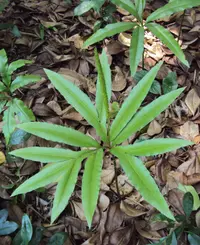
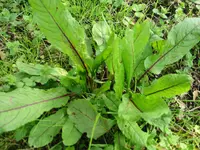
Kamraj, Helminthostachys zeylanica, is a terrestrial fern native to tropical Asia and northern Australia. It grows from a creeping rhizome and produces upright fertile spikes above a rosette of divided fronds. The plant prefers warm, humid, shaded habitats such as forest floors and stream banks, where the soil stays consistently moist but not waterlogged. In cultivation it can be somewhat demanding, as it dislikes drying out and reacts poorly to strong, direct sun or cold conditions. Understanding these natural preferences is key to successful care for kamraj in home gardens or specialized collections.

Care Difficulty
Hard Care

Light Preference
Partial Shade

Water Requirements
Keep Soil Moist

Temperature Preference
Tropical / Frost Sensitive

Hardiness Zone
10–12

Soil Texture
Loamy, Silty, Organic-rich

Soil pH
Acidic (5.5–6.5), Slightly acidic (6.5–7.0)

Soil Drainage
Moist but well-drained

Fertilization
Minimal (feed rarely)
Scan your plant to receive care tips personalized for your specific plant
Available on iOS and Android
This fern prefers bright but gentle light that mimics its shaded tropical habitat.
This species thrives in evenly moist, never stagnant, soil that does not fully dry out.
This fern favors warm, frost-free conditions similar to a humid tropical forest floor.
This fern prefers consistently moist air to support lush sterile and fertile fronds.
This species thrives in loose, humus-rich soil that stays evenly moist without becoming stagnant.
This fern can be grown in containers if moisture and depth are managed carefully.
This fern benefits from light feeding but adapts to low-fertility soil, so use fertilizer sparingly when caring for kamraj.
Helminthostachys zeylanica needs only light pruning focused on tidiness and plant health, not shaping.
This rhizomatous fern is usually grown in the ground, so focus on careful transplanting rather than frequent repotting.
Propagation of this fern is possible but somewhat specialized, so it is not commonly attempted by beginners.
This subtropical fern has limited frost tolerance and benefits from simple winter protection in cooler climates.

Plant Health Check
Not sure what's wrong with your plant? Check your plant's health inside the app.
This species belongs to one of the most primitive fern families, Ophioglossaceae, which is characterized by having a single sterile leaf segment and a distinct fertile spike rather than typical divided fronds.
Its reproductive structure is a tall, separate spike bearing densely packed sporangia, giving the plant a two-part appearance with a leafy segment at the base and an upright fertile spike emerging from the same stalk.
In several parts of South and Southeast Asia, its underground rhizomes and young shoots are traditionally collected and eaten as a wild vegetable, especially in rural communities.

This species is native to a broad but patchy range from Sri Lanka and India through Southeast Asia to northern Australia, where it typically grows in damp, shaded habitats such as moist forests, stream banks, and lowland wetlands, often indicating undisturbed, humid microclimates.
Yellowing fronds usually result from water stress, nutrient deficiency, or natural aging. Check for waterlogged or very dry soil, improve drainage, and apply a balanced, low-dose fertilizer. Older fronds yellowing at the base are often normal senescence.
Keep your plants happy and healthy with plant identification, disease detection, and easy care guidance.