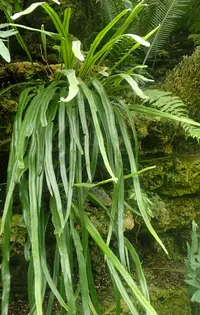
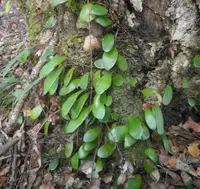
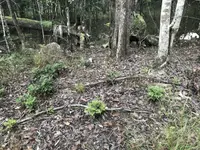
Least Adder's-tongue Care (Ophioglossum lusitanicum)

Also known as: Austral adder's-tongue
Least Adder's-tongue

About Least Adder's-tongue

Least adder's-tongue, Ophioglossum lusitanicum, is a very small, primitive fern relative with a simple, tongue-shaped leaf and a slender fertile spike. It often appears almost grass-like at first glance.

This species grows in mild, winter-rain climates, especially in coastal or open habitats across parts of southern Europe, North Africa, and some Atlantic islands. It tends to form scattered, low colonies rather than showy clumps.

The plant prefers moist, well-drained, often sandy or rocky soils and does not tolerate heavy disturbance or prolonged drought. Because it is delicate, small, and seasonally dormant, it can be challenging to spot and to care for Least Adder's-tongue in cultivation.

Main Plant Requirements

Care Difficulty

Hard Care

Light Preference

Partial Shade

Water Requirements

Keep Soil Moist

Temperature Preference

Warm Climate

Hardiness Zone

8–11

Soil Texture

Sandy, Loamy, Organic-rich

Soil pH

Acidic (5.5–6.5)

Soil Drainage

Moist but well-drained

Fertilization

Minimal (feed rarely)

Get Personalized Care Plan

Scan your plant to receive care tips personalized for your specific plant

Available on iOS and Android

How to Care for the Least Adder's-tongue

This small fern prefers soft, filtered light similar to its natural coastal and open woodland habitats.

  • Provide 2–4 hours of gentle morning sun with bright, dappled shade or light overcast conditions for the rest of the day.
  • Avoid harsh midday and afternoon sun; prolonged exposure can scorch the tiny fronds and dry the shallow roots quickly.
  • In summer, choose light shade from grasses, rocks, or low shrubs; in winter, increased low-angle sun is usually beneficial for Least Adder's-tongue.

This species needs consistently moist but not waterlogged soil to support its fine, shallow roots.

  • Water when the top 1–2 cm of soil or surface substrate just begins to dry, aiming to keep the root zone slightly damp at all times.
  • Ensure sharp drainage using sandy or gritty soil so excess water runs off; standing water leads to rot and a sour smell.
  • Reduce watering during summer dormancy or dry dieback, but never allow soil to bake hard or crack, which signals severe underwatering for Ophioglossum lusitanicum.

This fern-like species favors mild, frost-free conditions that mimic coastal or Mediterranean-type climates.

  • Aim for 55–70°F (13–21°C) during active growth; this range supports steady leaf and spore development.
  • Tolerates brief dips to about 32°F (0°C) if soil is well-drained, but repeated or hard frosts can damage fronds and crowns.
  • Handles short warm spells up to 80–86°F (27–30°C) if soil stays moist and shaded; extended heat and dry wind increase stress and dormancy risk.

This small fern prefers moderate, steady humidity to avoid stress and desiccation.

  • Aim for 50–70% humidity, as very dry indoor air slows growth and can cause leaf-tip browning.
  • In centrally heated rooms, monitor for curled or shriveling fronds, which indicate humidity stress.
  • Increase humidity with a nearby open tray of damp pebbles or by grouping plants, avoiding direct misting of fronds on Least Adder's-tongue.

This species needs a loose, moist, and well-aerated mix that mimics thin, humus-rich soils.

  • Use a fine-textured mix of 50% leaf mold or compost, 25% loam, and 25% sharp sand for Ophioglossum lusitanicum.
  • Ensure rapid drainage so water passes through within seconds while the mix still holds gentle, even moisture.
  • Keep pH slightly acidic to neutral, around 6.0–7.0, and avoid high-lime substrates unless it occurs locally in nature.
  • Avoid heavy clay, peat-only, or compacted mixes; improve aeration with fine pumice or perlite if the potting medium settles and hardens.

This species can be grown in small containers if moisture and root conditions are carefully managed.

  • Choose a shallow, wide pot so the fine, shallow roots can spread in a thin, stable layer of substrate.
  • Use unglazed clay only if you can maintain moisture, since it increases evaporation and can dry the fine roots quickly.
  • Place the pot where it will not overheat or dry rapidly, such as nested inside a cachepot that buffers temperature and moisture swings.

This small terrestrial fern is adapted to low-nutrient soils and usually needs little to no fertilizer in cultivation, especially when grown in a suitably humus-rich mix.

Ophioglossum lusitanicum needs almost no pruning, since each frond is short-lived and replaced naturally from the underground rhizome.

This species is rarely grown in containers and dislikes root disturbance, so transplanting should be infrequent and carefully planned.

  • Consider transplanting only when growth declines, the clump is clearly overcrowded, or soil has compacted and drains poorly.
  • Carry out transplanting in cool, moist weather during active growth, typically in fall to early spring in mild climates.
  • Lift the plant with a wide soil clump to keep the delicate roots and rhizome intact, minimizing disturbance.
  • Replant at the same depth in a loose, humus-rich, well-drained substrate, then water gently to settle soil and reduce stress.

Propagation of Ophioglossum lusitanicum is specialized and generally left to experienced growers or conservation programs rather than casual home cultivation.

This diminutive fern is relatively cold tolerant in mild-winter regions but benefits from some protection in areas with harder frost.

  • In the ground, apply a light mulch of leaf litter or compost over the root zone to buffer temperature swings.
  • Avoid waterlogged soils in winter, since saturated conditions combined with cold can cause rhizome rot.
  • For containers, move pots into a cold but frost-free shelter and keep the medium barely moist, not wet.

Care Tips

Seasonal dormancy rest

Mark the end of the fertile frond season on your calendar and reduce disturbance to the soil surface for 6–8 weeks after fronds wither, as the plant is storing energy underground during this rest period.

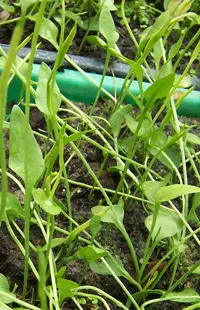
Shallow disturbance only

When removing moss or small weeds from around the plant, use tweezers or a narrow stick and disturb only the top 0.5–1 cm of substrate so the tiny underground stem and roots are not damaged.

Microhabitat shading

Create a small, stable microhabitat by placing a low rock, wood piece, or other inert object on the south or west side of the clump to buffer the crown from direct splashes, wind, and temperature swings.

Fine-scale mulching

Apply a very thin layer (2–3 mm) of fine-grain inorganic mulch such as pumice or granite grit around but not over the frond bases to keep the soil surface aerated and reduce algae or liverwort growth.

Quarantine and inspection

Always quarantine new ferns and nearby groundcovers for 2–3 weeks and inspect with a hand lens so that pests or fungal issues are identified early, which is particularly important when caring for Least Adder's-tongue in tight, low-airflow setups.

Common Pests and Diseases

Rust fungus

This disease often affects small terrestrial ferns in mild, damp climates, causing scattered yellow to orange pustules on frond surfaces and premature frond dieback.

Solution

Remove and discard affected fronds, reduce overhead watering, and increase airflow around plants; in outdoor colony settings, avoid dense leaf litter directly over the fern, and if needed use a sulfur or copper-based fungicide labeled for ferns, applied lightly according to label directions.

Powdery mildew

This disease appears as a fine white to gray powder on the tiny photosynthetic fronds, leading to reduced vigor and distorted growth.

Solution

Improve light and air movement, avoid wetting foliage, and promptly remove heavily affected fronds; for persistent problems, a mild solution of horticultural oil or potassium bicarbonate suitable for ferns can be applied in cool conditions to minimize stress while caring for Least Adder's-tongue.

Slugs and snails

These pests feed on the delicate fern blades and fertile spikes, leaving irregular holes, shredded tissue, and slime trails on or around the plants.

Solution

Hand-pick at night, use physical barriers like copper tape or gritty mulch, and place iron phosphate slug baits away from the fern crowns; maintain slightly drier surface conditions around the plants while keeping the root zone evenly moist.

Fungal crown rot

This disease starts at the crown where fronds emerge, causing soft, brown, water-soaked tissue, foliage collapse, and eventual plant loss, especially in poorly drained sites.

Solution

Improve drainage, avoid waterlogged soils, and remove any affected plants and adjacent saturated organic matter; replant only into well-drained, slightly moist soil and keep irrigation light and infrequent during cool, low-evaporation periods.

Interesting Facts

Tiny winter fern

This species is one of the smallest ferns in Europe, often only a few cm tall, and in Mediterranean climates it typically appears and completes much of its growth during the cooler, wetter winter months.

Single-leaf architecture

Each plant usually produces just one small sterile leaf blade and a narrow fertile spike that bears the spores, reflecting the highly specialized morphology of the adder's-tongue fern group.

Subterranean lifestyle

For much of the year the plant survives as an underground system of very short rhizomes and roots associated with mycorrhizal fungi, emerging above ground only briefly when seasonal moisture and temperature conditions are favorable.

Botan icon

Did you know?

Genetic studies show that Ophioglossum species, including this one, have some of the highest chromosome numbers known in vascular plants, making the group a classic example in cytogenetics, the study of chromosomes.

FAQs about Least Adder's-tongue

This fern stays small and forms loose, scattered tufts rather than dense mats. It spreads slowly by spores and short underground stems, so it is not considered aggressive or a nuisance in managed gardens.

Grow Healthy Plants with Botan Care

Keep your plants happy and healthy with plant identification, disease detection, and easy care guidance.

Botan plant care app — identify plants on mobile

Explore More Plants