resurrection fern Care (Pleopeltis michauxiana)

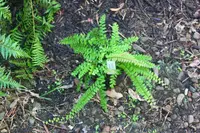
resurrection fern

About resurrection fern

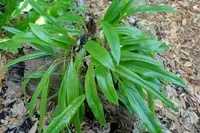
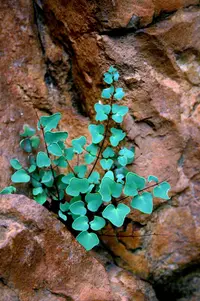
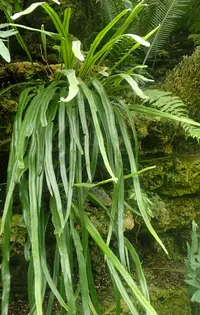
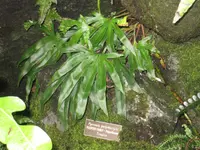
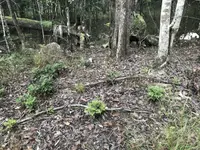
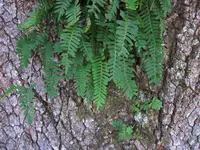
Resurrection fern, Pleopeltis michauxiana, is a small epiphytic fern that often grows on tree trunks, logs, or rocks rather than in soil. Its fronds curl, dry, and turn grayish when moisture is low, then green up and unfurl again after rain, which explains its common name.

This species is native to the southeastern United States, parts of Mexico, and the Caribbean, where it thrives in warm, humid forests. It prefers shaded to dappled light and steady ambient moisture. Many plant owners find it fascinating to care for resurrection fern because of its dramatic but natural drying and reviving cycle.

Main Plant Requirements

Care Difficulty

Moderate Care

Light Preference

Partial Shade

Water Requirements

Moderate Water

Temperature Preference

Warm Climate

Hardiness Zone

6–9

Soil Texture

Rocky, Organic-rich

Soil pH

Acidic (5.5–6.5), Slightly acidic (6.5–7.0)

Soil Drainage

Moist but well-drained

Fertilization

Minimal (feed rarely)

Get Personalized Care Plan

Scan your plant to receive care tips personalized for your specific plant

Available on iOS and Android

How to Care for the resurrection fern

This species thrives in bright, indirect light that mimics dappled woodland conditions.

  • Provide 3–6 hours of filtered or dappled light daily, such as under open tree canopies or on an east-facing wall with morning sun.
  • Avoid intense midday or afternoon sun; fronds scorch and turn pale or crispy if exposed to strong direct light for more than 1–2 hours.
  • Resurrection fern tolerates deep shade but grows denser with bright shade; in summer, shift it to slightly shadier positions if fronds look washed out.

Moisture needs are moderate and depend strongly on mounting surface and weather.

  • Allow the top 2–5 cm of organic layer or substrate to dry before soaking; on bark or rock, thoroughly wet roots, then let them dry between waterings.
  • In warm, dry periods, water whenever fronds stay curled and substrate feels dry for 24–48 hours; in cool or humid seasons, reduce frequency to prevent rot.
  • Signs of overwatering include black, mushy rhizomes and foul smell; papery, tightly curled fronds on Pleopeltis michauxiana usually indicate drought, not death.

This fern prefers mild, stable temperatures but withstands short periods of stress.

  • Optimal growth occurs around 65–80°F (18–27°C), where fronds stay green longer and recover quickly after dry spells.
  • The plant tolerates brief drops to about 20–25°F (-6 to -4°C); fronds may desiccate, but rhizomes often survive and rehydrate in warmer, wetter weather.
  • In heat above 90°F (32°C), it copes best with high humidity and shade; combine cooler morning light with protection from hot, reflective surfaces in midsummer.

This fern handles temporary dryness but grows best with moderately moist air.

  • Aim for 50–70% humidity to keep fronds fuller and green for longer periods.
  • It tolerates dry air by curling and browning, but frequent crisping at the tips signals chronic low humidity stress.
  • Increase humidity by placing it outdoors in shaded, humid spots or grouping near other plants rather than misting heavily.

This species prefers a loose, airy, organic-rich substrate that mimics tree bark or rock crevices.

  • Use a mix of fine orchid bark, leaf mold or compost, and a small amount of peat or coco coir to create a fibrous, humus-rich base.
  • Add coarse sand or perlite to ensure rapid drainage so roots never sit in stagnant water.
  • Keep pH slightly acidic to neutral, around 5.5–7.0, which suits Pleopeltis michauxiana in most tap-water areas.
  • Avoid compacted garden soil or heavy clay mixes that hold water tightly and exclude air around the rhizomes.

This fern can adapt well to container growing when its creeping habit and shallow roots are considered.

  • Choose a wide, shallow pot that allows rhizomes to spread horizontally rather than a deep, narrow container.
  • Use a potting liner or topdressing of bark to help anchor the creeping rhizomes and prevent them from lifting out of the mix.
  • Select a breathable clay or terracotta pot if outdoor conditions are humid, to reduce prolonged saturation after heavy rain.

This epiphytic fern normally grows on trees or rocks and usually needs little or no fertilizer when established.

Pruning needs for Pleopeltis michauxiana are minimal and focus on tidying rather than reshaping growth.

  • Best time is late winter or early spring, before new fronds unfurl.
  • Snip off dead, brown, or badly damaged fronds at their base to reduce disease risk.
  • Use clean, sharp scissors or small pruners, disinfected with alcohol, to avoid spreading pathogens.
  • Light thinning of crowded, tangled fronds can improve air flow and keep the mat looking even.

This species is most often grown attached to bark, wood, or rock, so management focuses on transplanting rather than classic repotting.

  • Consider transplanting when clumps detach, outgrow their mount, or show slow growth despite correct light and moisture.
  • Best timing is in spring, allowing new roots and rhizomes to establish during the warm growing season.
  • Expect to remount or divide every 3–5 years, or when the mat becomes too dense or unstable.
  • Handle rhizomes gently, keep roots moist during work, and secure the fern firmly to its new mount to reduce stress.

Resurrection fern is most often propagated by rhizome division rather than by spores in home settings.

  • Plan division in spring, when new growth starts and conditions support quick recovery.
  • Lift or unfasten a healthy clump, then cut sections of rhizome, each with several living fronds and visible roots.
  • Attach divisions to new bark or rock using soft ties, fishing line, or biodegradable twine.
  • Maintain high humidity and consistent moisture around the rhizomes until new fronds appear and attachment is firm.

In much of its range this fern is fairly cold tolerant and usually needs little special winter care outdoors.

  • In areas below about 20°F, consider growing Pleopeltis michauxiana on movable mounts that can be shifted to a sheltered spot.
  • Container or mounted plants in cold regions can overwinter in a cool, bright indoor area or unheated garage that stays above freezing.
  • Avoid heavy watering when dormant; allow fronds to dry naturally, as they can rehydrate in favorable conditions.

Care Tips

Use natural mounts

Attach rhizomes firmly to bark slabs, old hardwood branches, or cork using biodegradable cotton string so the roots can anchor as the string decomposes and the plant can grow in a stable, natural epiphytic position.

Mimic wet–dry cycles

Soak mounted pieces thoroughly in a tub or sink, then hang them to drip dry in bright shade, repeating only after they crisp and curl, which supports the fern’s natural drought-tolerance rhythm.

Avoid suffocating moss

If adding sphagnum or sheet moss to a mount, keep it very thin and pulled back from the rhizomes so air can circulate and the fern does not stay constantly wet at the base.

Seasonal outdoor rotation

In mild climates, move mounted plants outdoors under a tree canopy during warm, humid months and return them indoors before temperatures drop near freezing to strengthen growth while avoiding cold damage and desiccating winter winds.

Inspect bark regularly

Check mounted wood or bark at least once a year and remount if it becomes soft, crumbly, or overly decayed so the fern always has a firm, long-lasting support structure for caring for resurrection fern.

Common Pests and Diseases

Scale insects

This pest feeds on fronds and stems, appearing as small, hard bumps that cause yellowing and decline, especially on older, shaded clumps. Symptoms include sticky honeydew on nearby surfaces and sooty mold growth on the fronds.

Solution

Remove infested fronds if heavily covered, then gently scrub remaining colonies with a soft brush dipped in diluted insecticidal soap or horticultural oil, taking care not to saturate the rhizomes. Improve air movement and avoid overhead wetting that keeps fronds damp for long periods, and repeat treatments every 7–10 days until no new scale appears.

Fern aphids

These insects colonize tender new fronds and sori, causing distortion, reduced frond size, and sticky honeydew that can attract ants. This pest is more common on plants grown in sheltered, humid sites or on mounted pieces kept too lush with constant moisture and fertilizer.

Solution

Rinse colonies off with a firm but gentle stream of water, focusing on the undersides of fronds and crevices along the rhizomes. If populations persist, use insecticidal soap or a low-rate horticultural oil, applied in the early morning and repeated as needed, and reduce excess nitrogen fertilizer that encourages soft, aphid-prone growth.

Rhizoctonia blight

This disease causes tan to dark-brown lesions that start at the base of fronds and along the creeping rhizomes, leading to patchy dieback in mats growing on logs, rocks, or tree trunks. Symptoms include fronds collapsing in small, irregular patches while surrounding foliage may remain green for a time.

Solution

Cut out and discard affected fronds and rhizome sections, sterilizing tools between cuts, then reduce surface wetness by spacing plants and watering early in the day at the base rather than over the fronds. In high-value displays, a labeled fungicide for Rhizoctonia on ferns can be used according to instructions, combined with improved airflow and removal of dense debris around the rhizomes; this is often the most practical approach in detailed resurrection fern care instructions.

Leaf spot fungi

This disease produces small dark or reddish-brown spots on the fronds that can merge into larger blotches, especially in warm, wet weather. Symptoms include thinning fronds and a less dense mat when spotting becomes extensive on plants growing on shaded trunks or rocks.

Solution

Remove and discard affected fronds to limit spread, then reduce prolonged leaf wetness by avoiding frequent misting and by ensuring good airflow around the plant surface. If spotting recurs, apply a broad-spectrum fungicide labeled for ornamental ferns at the lowest effective rate, and avoid overhead irrigation during cool evenings.

Slug and snail damage

These pests chew irregular holes and notches in fronds, particularly on young growth close to moist bark or rock surfaces where the fern is attached. Symptoms include shredded edges, slime trails nearby, and more severe damage after wet nights or in dense ground-level plantings under trees.

Solution

Hand-pick slugs and snails at night or early morning and reduce hiding spots by removing leaf litter and dense debris around the mounting surface. For persistent issues, place iron phosphate bait in small, covered stations near but not on the fern, and maintain slightly drier conditions on the immediate surface while still keeping the rhizomes intermittently moist.

Interesting Facts

True resurrection strategy

This fern can survive losing almost all its water, curling and turning brown during drought, then rehydrate and resume photosynthesis within hours after rain, a strategy known as poikilohydry.

Lives on tree bark

It is primarily an epiphyte, meaning it grows on tree trunks and branches rather than in soil, anchoring to rough bark in oak and pine forests while taking nutrients from rain, dust, and decomposing organic matter.

Southeastern habitat specialist

The species is native to the southeastern US, the Caribbean, and parts of Central and South America, where it is especially associated with live oaks and humid microclimates created by forest canopies.

Botan icon

Did you know?

Caring for resurrection fern often involves mimicking its natural cycle of drying and rehydration, because in the wild it may spend most of its time in an apparently dead, desiccated state yet remain physiologically capable of revival for many years.

FAQs about resurrection fern

Brown, crispy fronds usually indicate normal dormancy during dry conditions, not death. This species can lose up to 75% of its water and rehydrate after rain. Avoid removing “dead-looking” fronds unless they are clearly rotten.

Grow Healthy Plants with Botan Care

Keep your plants happy and healthy with plant identification, disease detection, and easy care guidance.

Botan plant care app — identify plants on mobile

Explore More Plants