Rotation For Light
Rotate plants 90° every 1–2 weeks so all sides receive similar light, which promotes even, upright growth and prevents one-sided leaning or twisting of the clump.

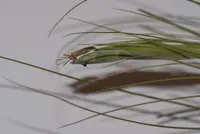
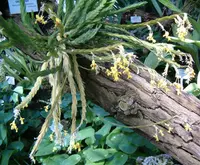
Tillandsia juncea is an epiphytic air plant from Central and South America, where it typically grows attached to trees or rocks rather than in soil. It forms narrow, upright, grass-like leaves that emerge in a dense tuft and can develop subtle red or pink tones when given strong light.
This species stays fairly compact and has a clean, architectural shape that suits shelves, terrariums, and mounted displays. It absorbs water and nutrients through specialized leaf scales, so roots mainly serve for anchoring.
Because it has no need for potting soil and tolerates some neglect, many people find it straightforward to care for Tillandsia juncea, provided it receives bright light, regular misting or soaking, and good air circulation.

Care Difficulty
Moderate Care

Light Preference
Bright Indirect Light

Water Requirements
Moderate Water

Temperature Preference
Tropical / Frost Sensitive

Hardiness Zone
10–12

Soil Texture
Sandy, Rocky, Organic-rich

Soil pH
Acidic (5.5–6.5), Slightly acidic (6.5–7.0)

Soil Drainage
Well-drained

Fertilization
Light (every 4–6 weeks)
Scan your plant to receive care tips personalized for your specific plant
Available on iOS and Android
This species prefers bright, indirect light with brief periods of soft direct sun.
This air plant absorbs water through its leaves and needs thorough wetting followed by full drying.
This species prefers warm, stable temperatures without frost or extreme heat.
This air plant prefers moderate humidity but adapts to typical indoor homes if watered correctly.
Tillandsia juncea is an epiphyte and should never be planted in regular potting soil.
This species is suitable for containers if the setup keeps the plant dry and well aerated.
This air plant benefits from light feeding but is sensitive to excess salts, so use weak solutions only.
Pruning needs for Tillandsia juncea are minimal and focus on hygiene rather than shaping.
This species is epiphytic and usually mounted rather than potted, so focus on remounting or repositioning rather than classic repotting.
Propagation is most successful by removing offsets (pups) that form around the mother plant after flowering.
This air plant is not frost hardy and needs indoor winter care in most temperate climates.

Plant Health Check
Not sure what's wrong with your plant? Check your plant's health inside the app.
This species has long, narrow, reedlike leaves that emerge in a tight clump, an adaptation that reduces surface area and helps limit water loss in its often breezy, exposed native habitats from Mexico to northern South America.
In nature, this air plant commonly anchors itself to thin twigs, fence wires, and even power lines using a small, wiry root system that serves mainly for attachment rather than for water or nutrient uptake.
Before flowering, the upper leaves and inflorescence often flush red or pink, which helps attract hummingbirds and other pollinators to the relatively small violet flowers.

Tillandsia juncea is a naturally occurring parent of several horticultural hybrids, and breeders value it for its extremely slender, upright form that passes on a graceful, grasslike look to its hybrid offspring.
Leaf tips often brown from low humidity, strong direct sun, or inadequate drying after soaking. Check for soft, mushy bases indicating rot. Improve air circulation, shorten soak times, and avoid midday sun exposure to stabilize foliage.
Keep your plants happy and healthy with plant identification, disease detection, and easy care guidance.