Sage of the diviners Care (Salvia divinorum)

Also known as: Diviner's Sage, Ska María Pastora, Seer's Sage, Salvia
Sage of the diviners

About Sage of the diviners

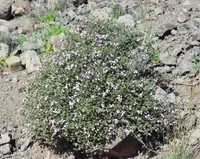
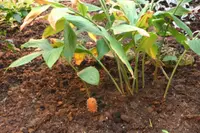
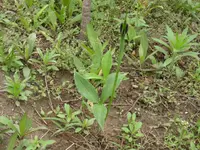
Salvia divinorum, often called sage of the diviners, is a soft-stemmed perennial herb from the cloud forests of Oaxaca, Mexico. It naturally grows in shaded, humid ravines under taller vegetation. The plant forms upright, square green stems with large, bright green leaves and can become lanky if light is low or pruning is absent. It is sensitive to cold, physical damage, and drying out, which can make it more challenging than common ornamental sages. To care for Sage of the diviners, provide sheltered, warm conditions with bright but not harsh light, consistent moisture, and loose, well-drained soil.

Main Plant Requirements

Care Difficulty

Moderate Care

Light Preference

Partial Shade

Water Requirements

Keep Soil Moist

Temperature Preference

Tropical / Frost Sensitive

Hardiness Zone

10–11

Soil Texture

Loamy, Organic-rich

Soil pH

Acidic (5.5–6.5), Slightly acidic (6.5–7.0)

Soil Drainage

Moist but well-drained

Fertilization

Light (every 4–6 weeks)

Get Personalized Care Plan

Scan your plant to receive care tips personalized for your specific plant

Available on iOS and Android

How to Care for the Sage of the diviners

This shade-loving Salvia prefers bright, indirect light to light dappled sun.

  • Provide 2–4 hours of gentle morning sun with bright shade or filtered light the rest of the day; avoid harsh midday and afternoon sun, which scorches leaves.
  • Outdoors, site Sage of the diviners under high, open shade or beneath taller plants or trees that break direct sun, especially in summer.
  • If stems stretch, leaves pale, or internodes lengthen, light is too low; move to a brighter but still protected position, especially in winter.

This moisture-sensitive species needs consistently damp but not saturated soil.

  • Water when the top 2–3 cm of soil feels just barely dry, aiming to re-wet the root zone evenly while letting excess drain freely.
  • Use a loose, fast-draining mix; prolonged soggy soil causes yellowing leaves, limp stems, and potential root rot in Salvia divinorum.
  • In cooler seasons reduce frequency, but never allow the root zone to fully dry; dull, drooping leaves with dry soil indicate underwatering, while soft, mushy stems point to overwatering.

This plant thrives in mild, frost-free conditions with stable temperatures.

  • Aim for 65–80°F (18–27°C) for active growth; short exposures up to 85°F (29°C) are tolerated if humidity and soil moisture are adequate.
  • Protect from cold; growth slows below 55°F (13°C), tissue damage occurs near 40°F (4°C), and frost can kill stems or the whole plant.
  • In hot spells above 82°F (28°C), increase shade, airflow, and soil moisture; in cooler seasons, keep it in the warmer part of the garden or a sheltered microclimate.

This species prefers moderately humid air and reacts quickly to dry indoor conditions.

  • Aim for 50–70% humidity; prolonged exposure below 40% often slows growth and encourages leaf drop.
  • Crisping leaf edges, drooping tips, and stalled new shoots indicate humidity stress rather than underwatering.
  • Increase humidity with a nearby humidifier, grouped plants, or a pebble tray, but keep foliage dry to reduce disease risk.

This plant needs moist, airy, organic-rich soil that drains quickly yet does not dry out abruptly.

  • Use a loose mix of roughly 40% peat or coco coir, 40% compost, and 20% perlite or pumice for structure and drainage.
  • Prefer slightly acidic to neutral pH, around 6.0–7.0, to keep nutrient uptake stable and growth steady.
  • Improve aeration by avoiding compaction; gently fill the pot and tap the sides instead of pressing soil down firmly.
  • Avoid heavy clay, unamended garden soil, or mixes that stay waterlogged, which promote root rot in Salvia divinorum.

This species is well suited to container growing when the pot supports its fast, soft growth and moisture needs.

  • Choose a wide, deep pot to allow shallow, spreading roots to stabilize tall, flexible stems in wind or accidental bumps.
  • Use a slightly heavier container material, such as thick plastic or ceramic, to prevent tipping as stems elongate and leaf mass increases.
  • Ensure drainage holes are large and unobstructed so frequent watering does not leave the lower third of the root zone saturated.

Salvia divinorum benefits from light, consistent feeding during its active growing season.

  • Use a balanced liquid fertilizer (around 10-10-10) diluted to 1/4–1/2 strength every 2–4 weeks in spring and summer.
  • Alternatively, top-dress with a thin layer of high-quality compost once in late spring for slow, gentle nutrition.
  • Avoid high-salt or fast-acting products that can burn tender roots; flush the pot with plain water occasionally.
  • Stop feeding in fall and winter, when growth slows, to prevent weak, leggy shoots.

Thoughtful pruning keeps Salvia divinorum compact, stable, and productive.

  • Best time is late winter to early spring, before strong new growth, with light touch-up trims through summer.
  • Remove dead, damaged, or crossing stems first, then shorten overly tall or floppy growth to encourage branching.
  • Pinch soft tips with clean fingers or snip with sharp scissors to create a bushier, less top-heavy plant.
  • Disinfect blades with alcohol between plants to limit disease spread and avoid tearing soft stems.

Container-grown Salvia divinorum often needs periodic repotting to support rapid, shallow root growth.

  • Look for roots circling the pot, pushing from drainage holes, or noticeably slower growth as signals to repot.
  • Plan to move to a container 2–5 cm wider every 1–2 years in spring, when active growth resumes.
  • Water well the day before, then gently loosen and keep the root ball mostly intact to limit transplant shock.
  • Shift into fresh, well-drained mix, water thoroughly, then keep in bright, indirect light for 3–7 days to recover.

Most home growers maintain Salvia divinorum by vegetative propagation, particularly stem cuttings.

  • Take 8–12 cm softwood cuttings in late spring or early summer from healthy, non-flowering shoots.
  • Strip lower leaves, recut below a node, and place stems in moist, sterile mix or clean water.
  • Provide high humidity, bright but indirect light, and warm conditions around 70–80°F for root formation.
  • Once roots reach 2–5 cm, pot into a small container with airy soil and shade slightly until growth resumes.

This species is very frost sensitive and needs careful winter management in most climates.

  • Move container plants indoors before temperatures drop below 40°F to avoid cold damage.
  • Overwinter in bright, indirect light at 55–70°F with slightly reduced watering to prevent root rot.
  • In mild regions, a thick mulch layer around the base can buffer short, light chills outdoors.
  • For Sage of the diviners indoor care, maintain good air movement and avoid cold drafts near windows.

Care Tips

Stake Early Stems

Install a slim stake and loosely tie young, fast-growing stems before they bend, as this plant becomes top-heavy and can snap at the base if support is added too late.

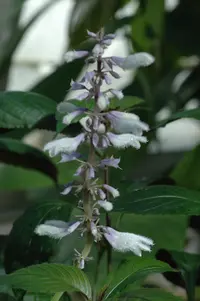
Encourage Bushy Growth

Pinch out the soft tips of the tallest shoots every 2–3 weeks during active growth to promote dense side-branching and prevent the plant from becoming weak and spindly.

Use Wide Containers

Select a pot that is wider rather than unusually deep, as the root system tends to spread laterally and benefits from a broad root zone for better anchorage and nutrient uptake.

Rotate For Even Growth

Turn the pot 90° every week so that all sides receive similar light exposure, which reduces leaning, stem twisting, and uneven canopy development when growing Sage of the diviners.

Monitor Root Escape

Check drainage holes monthly for roots pushing through, and repot promptly when they appear, since root escape is an early indicator that the plant is becoming pot-bound and may stall in growth.

Common Pests and Diseases

Spider mites

This pest often appears on Salvia divinorum grown in warm, dry indoor air, leading to stippled leaves, fine webbing, and progressive leaf drop.

Solution

Rinse foliage thoroughly with a strong but gentle stream of water, then increase humidity and airflow; if needed, apply insecticidal soap or a neem oil spray to the undersides of leaves and repeat every 5–7 days until activity stops.

Aphids

These insects cluster on soft shoot tips and flower stems, sucking sap and causing curling, distortion, and sticky honeydew deposits on leaves.

Solution

Pinch off heavily infested shoot tips, wash remaining foliage with lukewarm water, and treat new growth with insecticidal soap, ensuring full coverage of tender stems and the undersides of leaves; repeat at weekly intervals until populations decline.

Powdery mildew

This disease appears as white, powdery patches on leaves and stems, which can cause yellowing, leaf distortion, and reduced vigor in dense or poorly ventilated plantings.

Solution

Remove the worst-affected leaves, improve spacing and airflow around the plant, avoid wetting foliage late in the day, and apply a sulfur-based or potassium bicarbonate fungicide labeled for ornamentals if the white coating continues to spread.

Botrytis leaf blight

This disease causes tan to brown water-soaked spots on leaves and soft stems, often covered later with gray fuzzy mold under cool, humid, low-light conditions.

Solution

Cut away and discard all affected tissue, reduce overhead watering, improve ventilation, and allow the soil surface to dry slightly between waterings; in persistent cases, use a labeled ornamental fungicide and keep fallen leaves off the soil surface to reduce reinfection.

Thrips

This pest scrapes and feeds on leaf and flower tissues, leading to silvery streaks, distorted new growth, and small black droppings on foliage, particularly on tender indoor plants where Salvia divinorum care conditions are warm and bright.

Solution

Isolate the plant, gently rinse foliage, use blue or yellow sticky traps to monitor adults, and apply insecticidal soap or a spinosad-based spray, repeating at 5–7 day intervals to break the life cycle.

Interesting Facts

Rare cloud-forest origin

This species is native to a very restricted area of cloud forest in the Sierra Mazateca of Oaxaca, Mexico, where it grows in cool, shaded, and consistently moist ravines at relatively high elevation.

Vegetative reproduction bias

In its native range it is thought to reproduce mainly by vegetative means, with stems that easily root at the nodes, and viable seeds are rarely observed under natural or cultivated conditions.

Unusual diterpenoid chemistry

Its main psychoactive constituent is salvinorin A, a neoclerodane diterpene that is chemically distinct from classical alkaloids and is known as a highly selective kappa-opioid receptor agonist in pharmacological research.

Botan icon

Did you know?

The plant has a long-standing role in Mazatec indigenous culture, where it has been used in carefully controlled ritual contexts for spiritual divination and healing ceremonies, typically administered as freshly chewed leaves or as a cold aqueous extract rather than smoked or burned.

FAQs about Sage of the diviners

Leggy growth usually means low light or lack of pruning. Stems stretch toward light and produce fewer side branches. Pinch or lightly tip-prune young shoots and rotate the pot regularly to encourage denser, bushier growth.

Grow Healthy Plants with Botan Care

Keep your plants happy and healthy with plant identification, disease detection, and easy care guidance.

Botan plant care app — identify plants on mobile

Explore More Plants