Shear After Flowering
Lightly shear the plant back by 2–3 cm after flowering to maintain a tight mound and encourage fresh, silvery foliage rather than letting stems sprawl and open in the center.

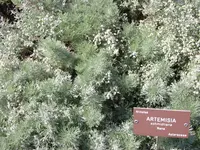
Silvermound, Artemisia schmidtiana, is a compact, herbaceous perennial valued for its soft, finely divided silver-gray foliage. It forms low, rounded mounds that add texture and contrast to garden borders and rock gardens.
This species is native to parts of East Asia with cool, well-drained habitats. It is generally considered easy to grow for gardeners who provide full sun, good drainage, and relatively dry conditions.
The plant is grown mainly for foliage, as its small flowers are not very showy. Those who want to learn how to care for silvermound benefit from understanding that excess moisture and heavy soils are its main problems.

Care Difficulty
Easy Care

Light Preference
Full Sun

Water Requirements
Low Water

Temperature Preference
Cold Hardy

Hardiness Zone
4–9

Soil Texture
Sandy, Loamy, Rocky

Soil pH
Slightly acidic (6.5–7.0), Slightly alkaline (7.0–7.5)

Soil Drainage
Well-drained

Fertilization
Minimal (feed rarely)
Scan your plant to receive care tips personalized for your specific plant
Available on iOS and Android
This compact perennial thrives in full sun but tolerates a bit of light shade, especially in hot climates.
This drought-tolerant perennial prefers infrequent, deep watering and fast-draining soil.
This hardy perennial tolerates a wide temperature range but grows best in moderate conditions.
Humidity is rarely a limiting factor for silvermound, which prefers dry air and resists low-humidity indoor conditions.
This species prefers lean, mineral soils that drain quickly and stay airy around the roots.
This plant is well suited to container growing, especially in sunny, dry sites such as patios or balconies.
Artemisia schmidtiana prefers lean soil and needs only light, thoughtful feeding to stay compact and healthy.
Pruning supports Artemisia schmidtiana in keeping a dense, silver mound and reduces lodging or splitting.
Silvermound artemisia is most often grown in garden beds, where it rarely needs moving once established.
Artemisia schmidtiana is commonly propagated to renew older clumps and create uniform, compact plants.
This species is generally cold hardy in much of the US and usually needs only minimal winter attention.

Plant Health Check
Not sure what's wrong with your plant? Check your plant's health inside the app.
This species forms a low, cushion-like mound typically under 30 cm tall, a growth habit that helps it resist wind damage and soil erosion in exposed habitats.
Its fine, deeply divided leaves are covered in dense hairs that reflect sunlight and reduce water loss, giving the plant its characteristic silver-gray appearance.
Artemisia schmidtiana is native to rocky, well-drained slopes and coastal areas of northern Japan, where it is adapted to poor, sandy soils and high light exposure.
This species often flowers poorly if frequently sheared, overfertilized, or kept too wet. Allow stems to mature, avoid high-nitrogen fertilizer, and keep soil on the drier side. Flowers are naturally modest and not the plant’s main feature.
Keep your plants happy and healthy with plant identification, disease detection, and easy care guidance.