Zygophyllum chilense Care

Zygophyllum chilense

About Zygophyllum chilense

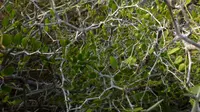
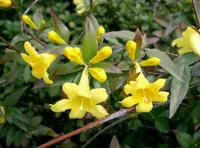
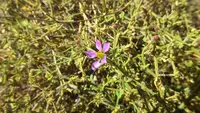
Zygophyllum chilense is a small, shrubby succulent from arid regions of Chile. It belongs to the caltrop family and is adapted to dry, sunny habitats. Its branches are often low and spreading, with fleshy paired leaflets that store water and give the plant a compact, tidy look. Small, simple flowers may appear along the stems in favorable conditions. Because it comes from a harsh, dry climate, it generally prefers bright light, very well-drained mineral soils, and sparse watering. These traits make it suitable for experienced growers who understand how to care for Zygophyllum chilense in low-moisture conditions.

Main Plant Requirements

Care Difficulty

Moderate Care

Light Preference

Full Sun

Water Requirements

Low Water

Temperature Preference

Warm Climate

Hardiness Zone

9–11

Soil Texture

Sandy, Rocky, Loamy

Soil pH

Slightly acidic (6.5–7.0), Slightly alkaline (7.0–7.5)

Soil Drainage

Well-drained

Fertilization

Minimal (feed rarely)

Get Personalized Care Plan

Scan your plant to receive care tips personalized for your specific plant

Available on iOS and Android

How to Care for the Zygophyllum chilense

This desert shrub prefers strong sun but benefits from some protection in very hot climates.

  • Aim for 6–8 hours of direct sun daily, with morning and late-afternoon sun ideal and light afternoon shade in regions above 95°F (35°C).
  • It tolerates partial shade, but stems become leggy and flowering drops if it receives less than about 4 hours of direct sun.
  • In winter, ensure an open, unshaded position to maximize low-angle light and avoid heavy overstory shade that keeps foliage damp.

This species is highly drought-tolerant and must be kept on the dry side to stay healthy.

  • Allow soil to dry very deeply between waterings; in the ground, wait until at least the top 10–15 cm are completely dry before watering again.
  • Use sharply draining, sandy or gravelly soil; water should infiltrate quickly with no puddling or standing water within a few minutes.
  • Overwatering shows as yellowing, soft, splitting stems and root rot, while underwatering first appears as slight leaf shriveling that recovers after a thorough soak.

This species is adapted to arid, warm regions and dislikes prolonged cold and frost.

  • Best growth occurs around 65–85°F (18–29°C), with stable, dry air; short hotter spells are tolerated if roots are mulched and soil is not waterlogged.
  • It can survive brief dips to about 25°F (-4°C), but repeated freezes damage young shoots and may kill plants in poorly drained or exposed sites.
  • In regions with cold winters, plant in the warmest, most sheltered microclimate, such as a south-facing slope or wall, to buffer night temperature drops.

This drought-adapted succulent tolerates low humidity and does not need special moisture in the air.

This species prefers very fast-draining, mineral, sandy soil that mimics arid, rocky habitats.

  • Use a cactus/succulent mix amended with extra coarse sand or fine gravel in a 2:1 ratio for sharp drainage.
  • Keep organic matter low; add only a small amount of compost or leaf mold to avoid water retention and root rot.
  • Aim for slightly alkaline to neutral pH around 7.0–8.0, often achieved with mixes containing limestone chips or calcareous gravel.
  • Avoid compact, clay-heavy, or peat-rich substrates that hold water, stay cold, or collapse and suffocate roots.

This species can grow well in containers if the pot mimics its dry, rocky habitat.

  • Choose a wide, shallow pot to match its relatively shallow root system and reduce the risk of waterlogged lower layers.
  • Use unglazed clay or terracotta containers to allow moisture to evaporate quickly from the sides and keep the root zone dry.
  • Elevate the pot on feet or mesh risers so drainage holes remain clear and runoff water does not pool under the container.

This desert shrub is adapted to nutrient-poor soils, so Zygophyllum chilense needs only light, infrequent feeding in cultivation.

  • Use a low-strength balanced NPK liquid fertilizer or very thin compost tea during active spring–summer growth.
  • Apply at 1⁄4–1⁄2 label strength no more than every 6–8 weeks for container plants.
  • Avoid high-organic, rich soils that retain moisture, which increase rot risk.
  • Stop feeding in fall and winter when growth slows or stops.

Pruning Zygophyllum chilense is mainly for tidying and maintaining a compact, balanced form.

  • Plan light structural pruning in late winter or very early spring before strong new growth starts.
  • Remove dead, damaged, or crossing stems with clean, sharp hand pruners to limit disease entry.
  • Thin crowded interior shoots slightly to improve air flow and light penetration.
  • Avoid heavy cutting into old, woody stems, which can reduce vigor and flowering.

This species dislikes frequent disturbance, so repot or transplant Zygophyllum chilense only when clearly necessary.

  • Check for roots circling the pot base, emerging from drainage holes, or persistent slow growth as signals to move up.
  • Time transplanting for late winter to early spring, aligning with the start of active growth.
  • Repot only every 3–4 years, choosing a shallow, wide container and very free-draining, gritty mix.
  • Handle the root ball gently, loosen circling roots slightly, water once, then keep just lightly moist until established.

Cultivated plants of Zygophyllum chilense are usually propagated by semi-ripe stem cuttings rather than seed.

  • Take 7–10 cm semi-ripe cuttings in late spring–summer from non-flowering shoots.
  • Remove lower leaves, optionally dip the base in rooting hormone, and insert into a gritty, fast-draining mix.
  • Maintain bright, indirect light, warm temperatures around 70–75°F, and only lightly moist conditions.
  • Provide good air movement and avoid misting foliage, as excess humidity encourages rot.

In mild, dry climates this desert shrub needs little winter attention, but colder or wetter sites require some basic care.

  • Plants in the ground tolerate light frost if soil drains sharply and remains relatively dry.
  • Mulch lightly with gravel, not organic mulch, to keep the root collar dry and prevent rot.
  • Move containers under cover or indoors before hard freezes, providing the brightest possible cool spot.
  • Water sparingly during winter dormancy, allowing the substrate to dry well between waterings.

Care Tips

Deep container choice

Use a deep, narrow pot with several drainage holes to accommodate the long taproot and reduce the risk of root damage during repotting.

Minimal root disturbance

When repotting, shift the plant carefully with its entire soil plug intact and avoid loosening the root ball, as this species reacts poorly to root disturbance.

Winter rain protection

In climates with wet winters, place the pot under a rain shield or overhang so the plant stays bright and cool but the soil does not remain saturated for long periods.

Targeted pest checks

Inspect young stems and leaf joints every few weeks for early signs of scale or mealybugs and treat localized outbreaks with a cotton swab dipped in isopropyl alcohol before populations build up.

Controlled outdoor acclimation

If moving the plant outdoors for summer, increase light and wind exposure gradually over 7–10 days to prevent sunscald and stress while growing Zygophyllum chilense.

Common Pests and Diseases

Scale insects

This pest feeds on stems and leaf joints, sucking sap and causing yellowing, stunted growth, and sticky honeydew deposits on the plant surface. Infestations often start in sheltered spots along the woody stems of older plants.

Solution

Remove heavily infested stem sections and gently scrape or rub off visible scales with a cotton swab or soft brush dipped in 70% isopropyl alcohol, then rinse the plant with water. Keep the plant in a bright, airy, low-humidity location and, if needed, apply a light horticultural oil spray labeled for succulents, repeating after 7–10 days while monitoring for reappearance.

Mealybugs

These insects hide in leaf joints and between paired leaflets, forming white cottony clusters and producing honeydew that can lead to sooty mold. Symptoms include slowed growth, leaf drop, and distorted new shoots, especially in sheltered container-grown plants.

Solution

Isolate affected plants, then spot-treat visible clusters with a cotton swab dipped in 70% isopropyl alcohol and gently wash the plant under a mild stream of water. Improve air movement and avoid overfertilizing; in persistent cases, use an insecticidal soap or light horticultural oil applied thoroughly to crevices, repeating every 7–10 days until no new pests appear.

Spider mites

This pest is favored by hot, very dry air and can cause fine stippling, dull or bronzed leaves, and delicate webbing between the tiny leaf pairs. Symptoms include overall loss of vigor and leaf drop if the plant is kept in an excessively dry, sheltered spot without air movement.

Solution

Rinse foliage and stems thoroughly with a firm but gentle stream of water, focusing on undersides and tight joints, and repeat several times over 1–2 weeks. Increase air circulation, avoid placing the plant directly over heat sources, and if needed apply a miticidal soap or neem-based product labeled for mite control, ensuring full coverage of all plant surfaces.

Leaf spot

This disease causes brown, tan, or dark lesions on the fleshy leaves, often starting where water sits on the surface, sometimes surrounded by a yellow halo. Symptoms include premature leaf drop and cosmetic damage, especially when plants are grown in humid or poorly ventilated areas.

Solution

Remove and discard affected leaves and avoid overhead watering so foliage stays dry, especially in the evening. Improve airflow around the plant and, if spots continue to spread, apply a copper- or chlorothalonil-based fungicide labeled for ornamental succulents, following label rates and intervals.

Interesting Facts

Fog-dependent water uptake

This species grows in the hyper-arid coastal desert of northern Chile, where it relies heavily on coastal fog (camanchaca) as a key moisture source for its survival.

Salty coastal habitat

Populations are found on rocky, saline coastal terraces and cliffs, indicating a notable tolerance to salt spray and poor, stony soils.

Woody desert shrub

It forms a low, woody shrub with small, thickened leaflets and a deep root system, an adaptation that helps it persist in extremely dry, nutrient-poor environments where few other shrubs can grow.

Botan icon

Did you know?

This species is part of the distinctive flora of the Atacama coastal desert, and its presence in some local plant communities helps indicate microhabitats where fog and soil conditions permit shrub growth despite one of the world’s lowest regional rainfall levels.

FAQs about Zygophyllum chilense

Brown leaves usually come from prolonged drought, hot dry wind, or salt buildup from fertilizer. Check soil moisture, flush the pot occasionally, and protect from extreme drying winds to prevent further tissue damage.

Grow Healthy Plants with Botan Care

Keep your plants happy and healthy with plant identification, disease detection, and easy care guidance.

Botan plant care app — identify plants on mobile

Explore More Plants