Wind exposure training
Site plants where they receive moderate but not extreme wind so stems develop stronger wood that is less likely to break when the shrub is in heavy bloom.

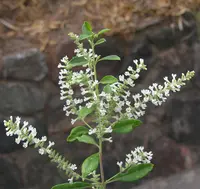
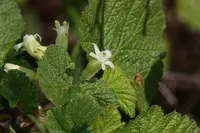
Whitebrush, Aloysia gratissima, is a woody, semi-evergreen shrub known for its fine, twiggy branches and masses of small, fragrant white flowers. It typically forms a loose, rounded shape and can be pruned to keep a denser habit.
This species is native to dry regions of the southern United States, Mexico, and parts of South America, where it grows in open scrub and rangeland. It is naturally adapted to sun, heat, and periods of drought, which makes it relatively easy to grow in low-maintenance landscapes.
Understanding how to care for whitebrush starts with providing plenty of light, good drainage, and avoiding waterlogged soils, as the plant is more tolerant of dryness than excess moisture.

Care Difficulty
Easy Care

Light Preference
Full Sun

Water Requirements
Low Water

Temperature Preference
Warm Climate

Hardiness Zone
7–10

Soil Texture
Sandy, Loamy, Rocky

Soil pH
Slightly acidic (6.5–7.0), Slightly alkaline (7.0–7.5)

Soil Drainage
Well-drained

Fertilization
Minimal (feed rarely)
Scan your plant to receive care tips personalized for your specific plant
Available on iOS and Android
This sun-loving shrub thrives in bright, open sites with warm, dry air.
This drought-tolerant shrub prefers infrequent, deep watering in fast-draining soil.
This shrub prefers warm, dry climates and does best with mild winters and hot summers.
This species handles a wide humidity range and rarely needs special humidity management.
Aloysia gratissima prefers lean, well-drained soil that does not stay wet after watering.
This shrub can be grown in containers if the pot supports its woody root system and tall, bushy growth.
Aloysia gratissima grows well in lean soils but benefits from light feeding in containers or poor ground.
Pruning Aloysia gratissima maintains a compact shape and supports heavy flowering on fresh growth.
This shrub is usually grown in the ground, so care focuses more on correct transplanting than frequent repotting.
Aloysia gratissima is most often propagated from cuttings, with seeds as a slower alternative.
In mild climates Aloysia gratissima is fairly hardy, but young or container plants benefit from basic winter protection.

Plant Health Check
Not sure what's wrong with your plant? Check your plant's health inside the app.
This shrub releases its strongest fragrance in the evening and at night, when its tiny white flowers open more fully and volatile compounds like linalool become more concentrated in the surrounding air.
In its native range, the small tubular flowers are frequently visited by specific bee and butterfly species that can access the narrow corolla, making it a valuable nectar source in semi-arid pollinator communities.
The plant naturally occurs in dry shrublands of the southwestern United States, northern Mexico, and parts of South America, where its small leaves and deep root system help it tolerate prolonged dry periods.

In some parts of its native range, this species can form dense, fragrant thickets along waterways and ranchlands, and its branching structure offers important cover and nesting sites for small birds and other wildlife in otherwise open, arid landscapes.
Lack of strong sun, pruning at the wrong time, or nutrient imbalance commonly reduce flowering. This shrub blooms on new growth, so prune lightly just after flowering and avoid high-nitrogen fertilizer that pushes leaves instead of buds.
Keep your plants happy and healthy with plant identification, disease detection, and easy care guidance.