Encourage multi-stem form
After establishment, selectively head back 1–2 of the strongest shoots in late winter to encourage a dense, multi-stem shrub that resprouts vigorously from the base and shades its own roots.

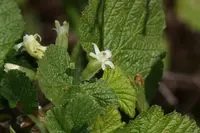
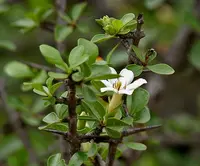
Sticky currant, Ribes viscosissimum, is a deciduous shrub native to western North America, often found in moist mountain meadows and open forest edges. It typically forms dense clumps with upright, many-stemmed growth and lobed, slightly sticky leaves. In late spring to early summer it produces clusters of pale yellow to greenish flowers, followed by dark, resinous berries that attract wildlife. This species favors cool climates, consistent soil moisture, and well-drained, organic-rich soils. Its toughness and adaptability make it fairly easy to establish in suitable climates, and understanding how to care for sticky currant mainly involves matching its natural moist, bright habitat.

Care Difficulty
Moderate Care

Light Preference
Partial Shade

Water Requirements
Regular Water

Temperature Preference
Cold Hardy

Hardiness Zone
4–8

Soil Texture
Loamy, Silty, Organic-rich

Soil pH
Acidic (5.5–6.5), Slightly acidic (6.5–7.0)

Soil Drainage
Moist but well-drained

Fertilization
Minimal (feed rarely)
Scan your plant to receive care tips personalized for your specific plant
Available on iOS and Android
This shrub prefers cool, bright exposures with some protection from intense afternoon sun.
This species prefers consistently moist, well-drained soil rather than cycles of drought and saturation.
This cold-hardy shrub is adapted to cool climates but still benefits from stable seasonal temperature ranges.
This species is quite tolerant of varying humidity and rarely needs special humidity management outdoors.
Ribes viscosissimum prefers consistently moist, deep, loamy soil with strong drainage.
This species can be grown in containers, but it performs best in large, stable, outdoor pots.
This hardy native shrub typically needs minimal feeding in average garden soil.
Ribes viscosissimum benefits from light, periodic pruning to maintain vigor and structure.
This shrub is usually grown in the ground, so focus on thoughtful transplanting rather than frequent repotting.
Ribes viscosissimum is commonly propagated from cuttings, seeds, or simple layering.
This species is cold hardy in much of its native range and needs little active winter care in the ground.

Plant Health Check
Not sure what's wrong with your plant? Check your plant's health inside the app.
The leaves, young stems, and fruiting clusters are covered in glandular hairs that exude a sticky resin, which can trap small insects and help deter herbivores from feeding.
In its native western North American range, this species is an important nectar source for bumble bees and other native bees that are adapted to its tubular, pale yellow flowers.
This shrub most often grows in cool, moist sites such as montane meadows, streambanks, and forest openings in the Pacific Northwest and northern Rocky Mountains, showing a strong preference for higher-elevation climates.

The sticky resin produced by this shrub gives rise to the common name sticky currant and can collect dust and pollen on the leaves so noticeably that botanists often identify the plant partly by this tacky, dust-coated appearance in the field.
The berries are generally considered edible and are sometimes used for jellies or jams, though flavor ranges from bland to slightly resinous. Always confirm correct identification and avoid plants exposed to roadside pollution or pesticide drift.
Keep your plants happy and healthy with plant identification, disease detection, and easy care guidance.