Himalayan strawberry Care (Fragaria nubicola)

Himalayan strawberry

About Himalayan strawberry

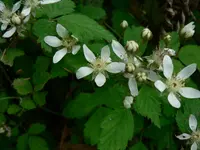
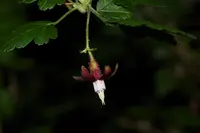
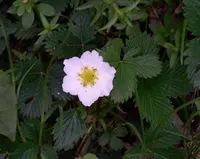
Himalayan strawberry, Fragaria nubicola, is a low-growing perennial groundcover from mountain regions of the Himalayas and surrounding areas. It forms small rosettes with three-part leaves and delicate white to pinkish flowers that mature into small, soft red fruits.

The plant spreads gently by runners, creating a light, carpeting effect rather than dense mats. It is generally easy to manage in gardens and containers.

Fragaria nubicola prefers cool to mild conditions, moderately moist but well-drained soil, and light shade to gentle sun. Understanding these natural preferences helps gardeners learn how to care for Himalayan strawberry in ordinary home gardens.

Main Plant Requirements

Care Difficulty

Moderate Care

Light Preference

Partial Sun

Water Requirements

Regular Water

Temperature Preference

Cool Climate

Hardiness Zone

6–9

Soil Texture

Loamy, Sandy, Organic-rich

Soil pH

Acidic (5.5–6.5), Slightly acidic (6.5–7.0)

Soil Drainage

Moist but well-drained

Fertilization

Light (every 4–6 weeks)

Get Personalized Care Plan

Scan your plant to receive care tips personalized for your specific plant

Available on iOS and Android

How to Care for the Himalayan strawberry

This alpine strawberry prefers bright, cool conditions with protection from harsh midday sun.

  • Provide 4–6 hours of morning sun with light afternoon shade; dappled light under open shrubs suits Himalayan strawberry well.
  • In hotter areas, give filtered light or shade after 11 a.m. to prevent leaf scorch and dry, bitter fruit.
  • In cooler climates, full sun is acceptable, but monitor for pale, leggy growth as a sign of insufficient light, especially in late autumn.

This species prefers consistently moist, cool soil without becoming waterlogged.

  • Water when the top 2–3 cm of soil feels dry, aiming for evenly damp soil around the root zone rather than soggy conditions.
  • Increase checks during hot, dry periods; wilting at midday that recovers by evening suggests mild drought stress, while yellowing, limp leaves often indicate overwatering.
  • Plant in well-drained, humus-rich soil so excess water can move away from Fragaria nubicola roots, reducing risk of rot during rainy seasons.

This high-altitude strawberry tolerates cool conditions but still benefits from moderate growing temperatures.

  • Aim for active growth in 55–70°F (13–21°C), which supports steady leaf and runner development without heat stress.
  • Mature plants survive light frosts down to about 20°F (-6°C) if hardened off, but young plants are safer above 28°F (-2°C).
  • Provide afternoon shade and extra mulch when temperatures exceed 80°F (27°C) to protect shallow roots and reduce stress from hot, dry winds.

Fragaria nubicola grows well in moderate ambient humidity and usually does not need special humidity control in most homes or gardens.

  • Aim for 40–60% humidity, similar to typical indoor air in many homes.
  • Dry indoor heating can slightly crisp leaf edges; combine with underwatering and the plant may wilt faster.
  • If air is very dry, group plants together or place the pot near (not on) a pebble tray to slow leaf moisture loss.

Fragaria nubicola prefers loose, humus-rich, consistently moist but well-drained soil.

  • Use a loamy mix of roughly 50% peat or coco coir, 30–40% compost, and 10–20% perlite or coarse sand for drainage.
  • Keep pH slightly acidic to neutral, around 5.8–7.0, as more alkaline soil can reduce nutrient availability and weaken growth.
  • Improve aeration by avoiding soil compaction; gently crumble dense clods and avoid stepping or pressing heavily around the root zone.
  • Do not use heavy clay or poorly drained mixes that stay waterlogged, as this strongly increases the risk of root rot.

This species is suitable for container growing if the pot supports its shallow, spreading root system.

  • Choose a wide, shallow container so stolons have room to spread rather than a deep, narrow pot that concentrates roots in one spot.
  • Select a pot material that matches your climate; terracotta dries faster, which suits wet climates, while plastic retains moisture longer in hot, dry areas.
  • Raise the container slightly on pot feet or bricks so drainage holes clear quickly and the base does not sit in standing water during rain or irrigation.

Fragaria nubicola is a modest feeder that benefits from light, balanced nutrition during active growth.

  • Use a balanced, water-soluble fertilizer (around 10-10-10) at 1/2 strength every 4–6 weeks in spring and summer.
  • Alternatively, top-dress with a thin layer of mature compost at the start of the growing season.
  • Avoid high-nitrogen products, which push leaves over flowers and fruit on Himalayan strawberry.
  • Stop feeding in late summer to allow plants to harden and remain unfertilized through winter dormancy.

Fragaria nubicola responds well to light, targeted pruning to keep plants healthy and productive.

  • Best time is late winter or early spring before strong new growth starts.
  • Cut away dead, diseased, or heavily damaged leaves and stems with clean, sharp scissors or hand pruners.
  • Thin crowded runners to maintain airflow, reduce fungal problems, and control spread.
  • Remove old, spent flower stalks to tidy plants and direct energy to new foliage and fruiting.

This species is more often transplanted in the garden than kept long-term in containers.

  • Transplant in early spring or early autumn when temperatures are mild and soil is workable.
  • Look for dense clumps, crowded crowns, or reduced vigor as signs it needs division and a fresh site.
  • Lift plants gently, keep roots shaded and moist, then replant at the same crown depth in enriched, well-drained soil.
  • Water thoroughly after transplanting and shade for a few days to limit transplant shock and root stress.

Fragaria nubicola is commonly propagated by runners and division, with seeds used mainly for breeding or larger-scale growing.

  • In late spring to summer, peg healthy runners into loose, moist soil until they root, then sever from the mother plant.
  • Divide mature clumps in early spring or early autumn, keeping several healthy crowns and roots per division.
  • For seed, sow fresh or stratified seed on the surface of moist mix, providing cool conditions and bright, indirect light.
  • Maintain steady moisture and good airflow around young plants to reduce damping-off and encourage strong establishment.

This species is generally cold hardy in temperate climates and needs only simple winter care in the ground.

  • Tolerates typical light to moderate frosts once established, especially in well-drained soil.
  • After the first hard frost, apply a 3–5 cm layer of straw or leaf mulch around crowns, keeping the center slightly exposed.
  • Container plants in colder regions can be moved to a sheltered, unheated but frost-free spot to protect roots.

Care Tips

Mulch For Roots

Apply a 3–5 cm layer of fine organic mulch around the plants (not touching the crowns) to keep roots cool, suppress weeds, and reduce fruit splash from soil-borne diseases.

Stolon Management

Regularly decide which runners to keep and which to remove, allowing only a few well-placed stolons to root in prepared spots so the patch stays productive instead of becoming crowded and weak.

Clean Fruit Contact

Place small pads of clean straw, pine needles, or horticultural fleece under developing berries so the fruit stays dry and clean, which reduces rot and slug damage when growing Himalayan strawberry.

Spring Crown Check

At the start of the growing season, gently remove winter debris and lightly loosen the soil around crowns so new leaves can emerge easily and excess moisture does not stay trapped at the base.

Targeted Pest Barriers

Use low mesh tunnels or bird netting over short hoops and set shallow beer or yeast traps for slugs to protect flowers and fruit without spraying broad-spectrum insecticides that can harm pollinators.

Common Pests and Diseases

Powdery mildew

This disease causes a white, powdery coating on leaves, petioles, and sometimes fruit, especially in dry conditions with poor air movement. Symptoms include distorted new growth and reduced vigor in established Himalayan strawberry plants.

Solution

Improve air circulation around plants, avoid overhead watering, and remove heavily infected leaves to reduce spores. For persistent cases, apply a sulfur or potassium bicarbonate-based fungicide according to label directions, and space plants so foliage can dry quickly after watering.

Leaf spot (Mycosphaerella)

This disease produces small purple to brown spots on older leaves that may turn tan or gray in the center, leading to premature leaf drop in Fragaria species. Symptoms include thinning foliage and reduced plant strength in dense groundcover plantings.

Solution

Remove and dispose of spotted or heavily damaged leaves, and keep leaves as dry as possible by watering at soil level. In plantings with recurring problems, use a copper-based or chlorothalonil fungicide during extended wet periods, and avoid leaving fallen leaves around the crowns over winter.

Gray mold (Botrytis)

This disease affects flowers and fruit, causing soft brown areas that quickly develop a fuzzy gray mold, especially in cool, damp weather. Symptoms include shriveled blossoms, rotting berries, and reduced fruit set in low-growing Himalayan strawberry patches.

Solution

Remove spent flowers and any rotting berries promptly, and improve airflow by thinning crowded runners and avoiding thick mulch touching the crowns. During prolonged wet, cool conditions, a labeled Botrytis-control fungicide can be used preventively on open flowers and developing fruit, combined with careful sanitation.

Two-spotted spider mite

This pest feeds on the undersides of leaves, causing fine speckling, bronzing, and eventual leaf drying, especially in hot, dry conditions or in sheltered rock garden sites. Symptoms include fine webbing on the underside of leaves and a general dull, stressed appearance of the foliage.

Solution

Rinse foliage thoroughly with a strong but gentle stream of water, focusing on leaf undersides, and repeat every few days to disrupt the population. In heavier infestations, apply insecticidal soap or horticultural oil labeled for mites, and keep plants evenly watered to reduce stress that favors mite outbreaks.

Strawberry aphid

These insects cluster on young leaves and flower stalks, sucking sap and causing curling, distortion, and sticky honeydew that can attract sooty mold. This pest can also weaken plants and may transmit viruses within Fragaria plantings.

Solution

Pinch off or wash away heavily infested shoot tips with a firm stream of water, repeating as needed. For ongoing issues, use insecticidal soap or a light horticultural oil spray, directed carefully at the undersides of leaves and young growth, and limit excess nitrogen fertilization that encourages soft, aphid-prone foliage.

Interesting Facts

High-altitude specialist

This species is native to montane and subalpine regions of the Himalaya, where it grows on open slopes and grassy habitats at high elevations with strong UV exposure and large day–night temperature swings.

Runner and rosette growth

It forms compact leaf rosettes close to the ground and spreads by stolons (runners), allowing it to quickly colonize small soil pockets and disturbed patches in its alpine environment.

Small but showy flowers

The plant produces relatively large, white, 5-petalled flowers compared to its low, compact foliage, which improves visibility to pollinators in open, wind-exposed mountain sites.

FAQs about Himalayan strawberry

The fruits are edible and typically safe when fully ripe, though flavor can be mild or somewhat bland. Always avoid eating moldy, damaged, or chemically treated berries, and introduce any new wild-type fruit to the diet gradually.

Grow Healthy Plants with Botan Care

Keep your plants happy and healthy with plant identification, disease detection, and easy care guidance.

Botan plant care app — identify plants on mobile

Explore More Plants