Tracy's cymbidium Care (Cymbidium tracyanum)

Tracy's cymbidium

About Tracy's cymbidium

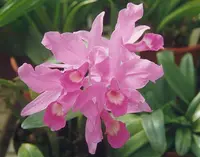
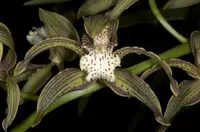
Tracy's cymbidium (Cymbidium tracyanum) is a cool- to intermediate-growing orchid species known for its arching sprays of large, fragrant, yellow-green flowers with bold brown markings. The leaves are long, narrow, and strap-like, forming dense clumps from pseudobulbs that store water and nutrients.

This orchid is native to montane forests of Southeast Asia, where it grows as an epiphyte or lithophyte, anchored on trees or rocks in bright, filtered light. Its strong fragrance, showy winter blooms, and tolerance of cooler conditions make it attractive but slightly more demanding than common hybrids.

Understanding how to care for Tracy's cymbidium is easier when its natural habitat is considered: bright but indirect light, good air movement, and moisture-retentive yet free-draining media suit it best.

Main Plant Requirements

Care Difficulty

Moderate Care

Light Preference

Partial Sun

Water Requirements

Regular Water

Temperature Preference

Cool Climate

Hardiness Zone

9–11

Soil Texture

Loamy, Peaty, Organic-rich

Soil pH

Acidic (5.5–6.5), Slightly acidic (6.5–7.0)

Soil Drainage

Moist but well-drained

Fertilization

Moderate (every 2–4 weeks)

Get Personalized Care Plan

Scan your plant to receive care tips personalized for your specific plant

Available on iOS and Android

How to Care for the Tracy's cymbidium

This orchid prefers bright, filtered light with some direct sun at cooler times of day.

  • Provide 3–5 hours of direct morning sun, then bright shade or dappled light; avoid harsh midday sun that can scorch leaves.
  • Outdoors, place Tracy's cymbidium under light tree canopy or an east-facing exposure; indoors, use an east or bright shaded south window with sheer curtains.
  • If leaves turn dark, increase light; if they yellow or develop brown patches, reduce direct sun, especially in summer; allow more sun in autumn to support flowering.

This species prefers evenly moist, fast-draining media that never stays waterlogged.

  • Water thoroughly when the top 2–3 cm of mix feels just dry, letting excess drain away; do not let the pot sit in standing water.
  • In spring and summer, expect to water more often as growth and warmth increase; in autumn and winter, reduce frequency but do not allow the pseudobulbs to shrivel.
  • Use a loose, free-draining orchid mix so roots get air; pale, wrinkled leaves indicate underwatering, while blackened, mushy roots or sour smell suggest overwatering.

This cool- to intermediate-growing orchid needs distinct day–night temperature differences for best flowering.

  • Aim for daytime temperatures of 65–75°F (18–24°C) and nights of 50–55°F (10–13°C) during the main growing season.
  • Cymbidium tracyanum tolerates short drops to about 35–37°F (2–3°C) if kept dry and sheltered, but foliage and buds can be damaged by frost or prolonged cold below this range.
  • In hot weather, above 85°F (29°C), increase shade and air movement to prevent heat stress, and avoid sudden temperature swings greater than 15–20°F (8–11°C) in a few hours.

This orchid prefers moderate humidity to support steady growth and flowering.

  • Maintain 40–60% humidity; it tolerates brief dips lower but prolonged very dry air slows growth.
  • Dry, papery leaf tips and wrinkled pseudobulbs indicate humidity stress in Tracy's cymbidium.
  • Use a humidity tray, grouped plants, or localized room humidifier rather than misting foliage directly.

Cymbidium tracyanum grows best in a loose, airy, fast-draining orchid medium rather than regular potting soil.

  • Use a mix based on medium orchid bark with additions of perlite and a little sphagnum moss for moisture balance.
  • Aim for slightly acidic to neutral conditions, around pH 5.5–6.5, to support nutrient availability.
  • Ensure large air spaces around roots; avoid compact, peat-heavy or garden soils that stay wet and exclude oxygen.
  • Improve drainage further by using coarse bark or pumice in the lower part of the pot so water moves through quickly.

This species suits container growing when the pot supports its upright, often heavy growth.

  • Choose a wide, stable pot to prevent tipping as tall flower spikes and pseudobulbs develop.
  • Select a slightly snug pot so roots anchor the plant firmly without a large volume of unused, wet mix.
  • Use a heavier clay or ceramic container outdoors in windy spots to keep the plant from rocking and stressing roots.

This orchid benefits from moderate, targeted feeding to support buds and long-lasting blooms.

  • Use a balanced orchid fertilizer (around 20-20-20) at 1/4–1/2 strength for caring for Tracy's cymbidium.
  • Feed every 2 weeks during active growth (spring to early fall), after thoroughly watering the medium.
  • Switch to a low-nitrogen bloom formula as spikes form to encourage flower production.
  • In late fall and winter, reduce feeding to once a month or pause if growth is very slow.

Thoughtful pruning keeps Cymbidium tracyanum healthy and flowering well without changing its natural form.

  • Best time is after flowering, when spent flower spikes have faded and new growths are visible.
  • Cut flower spikes at the base with clean, sharp scissors or pruners once blooms are fully finished.
  • Remove dead, yellow, or damaged leaves and old, shriveled pseudobulbs to improve air flow and hygiene.
  • Avoid cutting firm green pseudobulbs, as they store water and nutrients needed for future growth and blooms.

This cymbidium prefers slightly tight pots and tolerates infrequent repotting if the medium remains fresh.

  • Repot every 2–3 years, or when roots circle the pot, push the plant upward, or growth slows despite good care.
  • Best time is after flowering in late winter to early spring, just as new roots and shoots begin to appear.
  • Gently remove old mix, trim dead roots, and place the plant in fresh, coarse orchid bark with the oldest pseudobulbs near the pot edge.
  • Water lightly for 1–2 weeks after repotting to limit rot, then resume normal watering as new roots establish.

Division is the standard method for increasing plants of Cymbidium tracyanum.

  • Divide mature clumps after flowering in late winter or early spring, when new growths and roots are starting.
  • Lift the plant from the pot, remove old mix, and cut into sections with at least 3–4 healthy pseudobulbs each.
  • Dust cut surfaces with fungicidal powder or cinnamon, then pot divisions in fresh, free-draining orchid bark.
  • Provide bright, indirect light, 60–75°F, and slightly higher humidity to support root establishment and new shoot growth.

This cymbidium enjoys cool conditions but is not fully frost hardy in most climates.

  • Tolerates light chill but should be kept above about 35–37°F to prevent leaf and pseudobulb damage.
  • In cold regions, move containers to a bright, cool indoor spot or unheated greenhouse before hard frosts.
  • Keep the potting mix just barely moist in winter, avoiding both complete dryness and waterlogging.
  • If grown outdoors in mild climates, shelter from cold winds and heavy winter rain to reduce stress.

Care Tips

Cool-night placement

Place the plant in the coolest bright spot available from late summer to autumn, such as a shaded patio or unheated sunroom, to secure a day–night drop of at least 10°F that strongly promotes reliable spike initiation.

Support heavy spikes

As soon as spikes reach 10–15 cm, insert slim stakes outside the pot edge and loosely tie the spikes with soft ties so the tall, heavy inflorescences do not kink or snap under their own weight.

Divide only in bloom

Schedule divisions right after flowering, keeping each division with at least 3–5 healthy pseudobulbs and active roots, which maintains vigor and reduces setback in growth and flowering.

Summer outdoor rotation

If grown outdoors in mild climates, rotate the pot a quarter turn every 1–2 weeks during active growth so foliage and developing spikes receive even light and the plant does not lean or twist toward one direction.

Preempt salt buildup

Every 4–6 weeks, move the pot to a sink or outdoors and flush the medium thoroughly with low-mineral water until it runs freely from the drainage holes, which helps prevent fertilizer salt accumulation in the coarse orchid mix when caring for Tracy's cymbidium.

Common Pests and Diseases

Cymbidium aphids

These insects cluster on new spikes and buds, sucking sap and distorting flowers and leaves. Symptoms include sticky honeydew on foliage and flower stems, sometimes followed by sooty mold growth.

Solution

Rinse spikes and foliage thoroughly with a strong but gentle stream of water, then spot-spray remaining colonies with an insecticidal soap or ready-to-use neem oil, making sure to coat the undersides of leaves and flower stems. Improve air movement around the plant and avoid excess nitrogen fertilization, which encourages soft, aphid-prone growth.

Cymbidium mealybugs

These insects appear as white cottony clusters in leaf sheaths, on pseudobulbs, and around roots, causing yellowing and weakening of the plant. This pest often hides in tight crevices of Cymbidium tracyanum and spreads slowly but persistently.

Solution

Isolate the plant, then dab visible insects with cotton swabs dipped in 70% isopropyl alcohol and repeat weekly until no new clusters appear. For heavier infestations, follow with 2–3 applications of insecticidal soap or systemic insecticide labeled for orchids, while also repotting and removing old leaf sheaths where mealybugs shelter.

Cymbidium mosaic virus

This disease causes dark streaks, mottling, or break-like patterns on leaves and flower petals, often reducing flower quality over time. Symptoms include overall decline despite correct cultural care, with damage typically more visible on older leaves and blooms.

Solution

Remove and discard any suspect plants rather than trying to cure the virus, and disinfect cutting tools with a 1:9 bleach solution or 70% alcohol between plants to prevent spread. Obtain new Cymbidium tracyanum plants only from reputable, virus-tested sources and avoid sharing division material from unknown or mixed collections.

Bacterial brown rot

This disease creates soft, water-soaked brown lesions at the base of pseudobulbs or leaves, often with a foul odor and rapid spread in warm, wet conditions. Symptoms include sudden collapse of affected tissue and yellow halos around wet spots.

Solution

Cut away all affected tissue with sterile tools well into healthy, firm tissue, then dust the cuts with ground cinnamon or a labeled bactericide and allow the plant to dry with strong air circulation. Reduce overhead watering, keep foliage dry in the evening, and avoid crowding plants to lower humidity spikes and splash spread.

Brown leaf tips from mineral salts

Symptoms include progressive browning at leaf tips and margins, especially on older leaves, often accompanied by white crusts on the pot rim or medium from hard water and fertilizer buildup. This physiological issue is common in long-grown cymbidiums in small containers with infrequent leaching.

Solution

Flush the potting medium thoroughly with plain, low-mineral water until runoff is clear, and repeat every 4–6 weeks as part of routine Cymbidium tracyanum plant care. Trim only the dead, dry tip tissue, repot into fresh medium if salt crusting is heavy, and switch to a balanced orchid fertilizer used at reduced strength with occasional plain-water irrigations.

Interesting Facts

Cold-tolerant orchid

This species can withstand much cooler night temperatures than many tropical orchids and naturally experiences nights close to 40°F in its native range, which helps trigger flowering.

Fragrant winter bloomer

It typically flowers in late fall to winter and produces long-lasting spikes of yellow-green, heavily spotted flowers with a strong, spicy fragrance.

High-altitude origins

The species is native to montane forests of the eastern Himalayas and parts of Southeast Asia, where it often grows as an epiphyte or lithophyte in cool, moist, bright conditions.

Botan icon

Did you know?

The species epithet tracyanum honors English orchid enthusiast Tracy Turner, reflecting a long tradition in orchidology of commemorating important collectors and growers in species names.

FAQs about Tracy's cymbidium

Lack of flowering usually comes from insufficient light, no cool autumn nights, or overcrowded pseudobulbs. This orchid needs a temperature drop in fall and enough maturity before reliably blooming each winter or early spring.

Grow Healthy Plants with Botan Care

Keep your plants happy and healthy with plant identification, disease detection, and easy care guidance.

Botan plant care app — identify plants on mobile

Explore More Plants