


Controlled dormancy
At the end of the season, reduce watering, let the foliage yellow naturally, then lift and store the dry tubers in a breathable paper bag with barely moist peat or vermiculite at 60–65°F to ensure strong regrowth next year.

Caladium 'Miss Muffet' is a compact, shade-loving tropical foliage plant grown mainly for its colorful, patterned leaves. It belongs to a group often called dwarf caladiums due to its smaller, tidier growth.
Leaves are typically heart-shaped, light green, and speckled with burgundy spots, giving a dotted or freckled look. Plants grow in clumps, making them suitable for containers, borders, and shaded patios.
This cultivar originates from tropical regions of South America, where wild caladium species grow in warm, humid forest understories. It prefers bright, indirect light, evenly moist but not waterlogged soil, and stable warmth.
Its need for consistent warmth and moisture makes it moderately demanding, but once conditions are right, it responds well and is manageable for those learning how to care for Dwarf Caladium.

Care Difficulty
Moderate Care

Light Preference
Partial Shade

Water Requirements
Keep Soil Moist

Temperature Preference
Tropical / Frost Sensitive

Hardiness Zone
9–11

Soil Texture
Loamy, Peaty, Organic-rich

Soil pH
Acidic (5.5–6.5), Slightly acidic (6.5–7.0)

Soil Drainage
Moist but well-drained

Fertilization
Moderate (every 2–4 weeks)
Scan your plant to receive care tips personalized for your specific plant
Available on iOS and Android
Caladium 'Miss Muffet' prefers bright, gentle light that protects its leaves from scorching.
Caladium 'Miss Muffet' needs consistently moist but not waterlogged soil during its active growing season.
This caladium thrives in warm, stable conditions and declines quickly in cold or near-freezing temperatures.
This caladium prefers consistently high humidity to keep foliage full and spot-free.
Caladium 'Miss Muffet' grows best in loose, organic-rich, evenly moist soil that never stays waterlogged.
This species is well suited to container growing on patios, balconies, and shaded entries.
Caladium 'Miss Muffet' responds well to light, consistent feeding during its active growing season.
Caladium 'Miss Muffet' needs only light, maintenance pruning to stay tidy and healthy.
Repotting or lifting Caladium 'Miss Muffet' keeps tubers healthy and prevents overcrowding in containers or beds.
Multiplying Caladium 'Miss Muffet' is commonly done by dividing tubers rather than by seed or cuttings.
Caladium 'Miss Muffet' is frost-sensitive and requires specific winter care in cool climates.

Plant Health Check
Not sure what's wrong with your plant? Check your plant's health inside the app.
This cultivar was bred for its chartreuse leaves densely speckled with small burgundy spots, a pattern that likely results from chimeric leaf tissue where cells with different pigment expression grow side by side.
It is a true dwarf caladium, usually staying much shorter and neater than standard fancy-leaf types, which makes it particularly suitable for small containers and tight landscape spaces.
Compared with many traditional fancy-leaf caladiums, it often tolerates brighter light and some gentle morning sun without rapid scorching, which expands its use in slightly more exposed garden positions.

Caladium 'Miss Muffet' is one of the few widely available caladium cultivars with a stable combination of chartreuse background color and evenly scattered burgundy spotting, so plant breeders frequently use it as a parent when trying to grow Caladium 'Miss Muffet'–type hybrids with similar speckled foliage.
Brown edges usually come from low humidity, excess fertilizer salts, or irregular moisture, especially allowing the soil to dry out too far. Flush the pot occasionally, maintain moderate humidity, and keep moisture more consistent to prevent further damage.
Keep your plants happy and healthy with plant identification, disease detection, and easy care guidance.

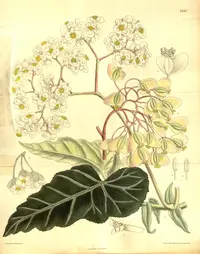
Begonia angularis
Begonia angularis
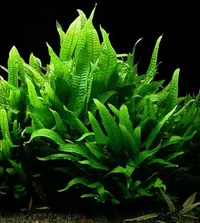
Java fern
Leptochilus pteropus
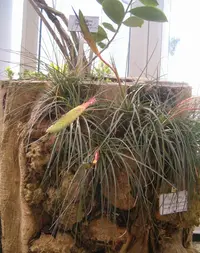
Tillandsia tricolor
Tillandsia tricolor
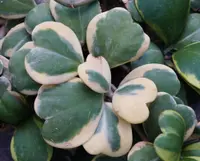 POPULAR
Hoya Hearts
Hoya kerrii
Tillandsia brachycaulos
Tillandsia brachycaulos
square-stemmed pelargonium
Pelargonium tetragonum
West Indian tufted airplant
Guzmania monostachia

Old man cactus
Cephalocereus senilis