Rock mulch ring
Place a 5–10 cm ring of coarse gravel or rocks around the base to protect the crown from soil splash, reduce rot risk, and stabilize the plant in heavy rain.

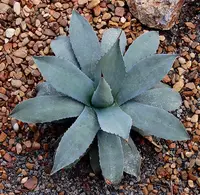
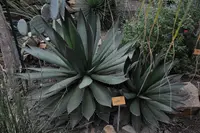
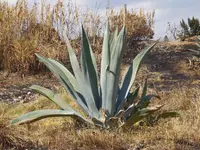
Cabbage head agave (Agave parrasana) is a compact, rosette-forming succulent from arid highlands of northeastern Mexico. It stays relatively low and rounded, resembling a tight cabbage. Thick, blue-green leaves have strong teeth and a sharp terminal spine, giving the plant a sculptural look. Growth is slow, and the rosette eventually produces a tall flowering stalk once in its lifetime. It suits dry, sunny conditions and handles drought well but dislikes excess moisture and poorly drained soil. With the right light and drainage, it is straightforward to care for cabbage head agave for both outdoor and container growers.

Care Difficulty
Easy Care

Light Preference
Full Sun

Water Requirements
Low Water

Temperature Preference
Cold Hardy

Hardiness Zone
7–10

Soil Texture
Sandy, Loamy, Rocky

Soil pH
Slightly acidic (6.5–7.0), Neutral (7.0)

Soil Drainage
Well-drained

Fertilization
Minimal (feed rarely)
Scan your plant to receive care tips personalized for your specific plant
Available on iOS and Android
This compact agave needs strong, direct light to maintain its tight, cabbage-like rosette and blue-gray color.
This desert species prefers thorough but infrequent watering in fast-draining soil.
This species is quite cold-hardy for an agave but still benefits from a stable, warm growing season.
Humidity is rarely a concern for Agave parrasana in typical home or outdoor conditions.
Agave parrasana needs a very fast-draining, mineral, gritty substrate to prevent root and crown rot.
This species is well suited to container growing when the pot is set up for rapid drainage and stability.
Agave parrasana grows well with light feeding, especially in containers.
Agave parrasana needs minimal pruning focused on cleanliness and safety.
Container-grown Agave parrasana only needs infrequent repotting or careful transplanting.
Agave parrasana is usually propagated from offsets rather than seeds in home settings.
Agave parrasana is relatively cold hardy but benefits from thoughtful winter care in colder regions.

Plant Health Check
Not sure what's wrong with your plant? Check your plant's health inside the app.
This species forms a tight, cabbage-like rosette typically only 30–60 cm across, much smaller and denser than many other agaves, with short, broad leaves that overlap strongly toward the center.
Although native to arid limestone slopes in the mountains of Coahuila, Mexico, this species tolerates brief drops below freezing better than many agaves, especially in dry conditions and well-drained rocky soils.
Each leaf often shows clear, decorative impressions left by the spines and margins of neighboring leaves, creating a distinctive geometric pattern that remains visible even as the plant ages.

In its natural habitat on limestone ridges in the Sierra de Parras of northeastern Mexico, this species often grows wedged into rock crevices, where its compact shape and thick leaves help it survive with minimal soil and highly sporadic rainfall.
This species is monocarpic, meaning it flowers once at the end of its life, often after several decades. Lack of bloom is normal for many years. A well-established, mature rosette and time are the main requirements.
Keep your plants happy and healthy with plant identification, disease detection, and easy care guidance.