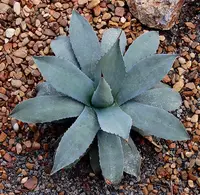
Agave funkiana Care

Agave funkiana

About Agave funkiana

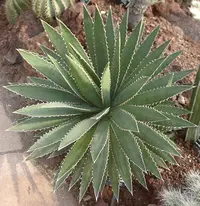
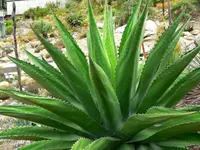
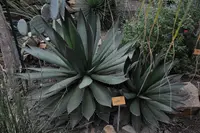
Agave funkiana is a compact, slow-growing succulent from arid regions of northeastern Mexico. It forms a tight rosette of narrow, arching blue-green leaves with small teeth and a sharp terminal spine. Over many years it can produce a tall flowering stalk, then the main rosette dies, often leaving offsets around the base. This species suits rock gardens, xeriscapes, and containers where a strong architectural form is desired. Its drought tolerance and modest growth rate make it relatively low maintenance if given strong light, very well-drained soil, and minimal watering. Understanding how to care for Agave funkiana mainly involves avoiding excess moisture and frost.


Main Plant Requirements

Care Difficulty

Easy Care

Light Preference

Full Sun

Water Requirements

Low Water

Temperature Preference

Warm Climate

Hardiness Zone

8–11

Soil Texture

Sandy, Loamy, Rocky

Soil pH

Slightly acidic (6.5–7.0), Neutral (7.0)

Soil Drainage

Well-drained

Fertilization

Minimal (feed rarely)

Get Personalized Care Plan

Scan your plant to receive care tips personalized for your specific plant

Available on iOS and Android

How to Care for the Agave funkiana

This desert succulent needs strong light to form tight, healthy rosettes and maintain blue-green leaf color.

  • Provide 6–8 hours of direct sun daily outdoors, ideally with morning sun and some protection from intense late-afternoon summer sun in very hot climates.
  • In hot, arid regions, light afternoon shade or filtered sun reduces leaf scorch and stress, while in cooler or coastal areas full sun all day is usually tolerated.
  • If new leaves of Agave funkiana emerge elongated or pale, the site is too shaded; move gradually to a brighter, more open exposure over 1–2 weeks.

This species is highly drought tolerant and prefers infrequent, deep watering in fast-draining soil.

  • Outdoors in dry climates, water only when the top 5–8 cm of soil are completely dry; in many gardens this means every 2–4 weeks in summer and rarely, if at all, in winter.
  • Use very gritty, well-drained soil or a raised mound so water does not pool around the crown; standing water greatly increases root and crown rot risk.
  • Soft, yellowing leaves or a loose rosette suggest overwatering, while sharply curling, wrinkled lower leaves indicate prolonged drought and justify a thorough soak.

This agave prefers warm, dry conditions but tolerates a moderate range if extremes are avoided.

  • Optimal growth occurs around 70–90°F (21–32°C), with good airflow and low to moderate humidity to limit fungal issues.
  • Established plants usually survive brief drops to about 20–25°F (-6 to -4°C) if soil is dry, but repeated hard freezes or wet cold can cause tissue damage or rot.
  • In very hot periods above 100°F (38°C), light afternoon shade and avoiding overhead watering during peak heat help prevent leaf burn and thermal stress.

This species is adapted to arid climates, so humidity is rarely a concern indoors or outdoors.

  • Keep ambient humidity around 20–50%, which matches the dry conditions this desert succulent prefers.
  • Dry indoor air is tolerated well; Agave funkiana is more sensitive to excess moisture than to low humidity.
  • If humidity stays above 60%, watch for pale, soft leaf bases or fungal spotting and increase air flow rather than misting.

This agave needs very fast-draining, mineral-based soil to prevent root and crown rot.

  • Use a gritty mix such as 50% cactus potting mix with 30% coarse sand and 20% pumice or perlite for sharp drainage.
  • Aim for slightly acidic to neutral pH, around 6.0–7.0, which suits most mineral-based succulent mixes.
  • Increase aeration by using large, irregular particles (2–6 mm) like gravel or pumice rather than fine sand alone.
  • Avoid compacted, peat-heavy, or water-retentive mixes and do not add moisture-holding gels, which keep roots wet for too long.

This species is well suited to container growing, especially in regions with cold or wet winters.

  • Choose a heavy terracotta or concrete pot to improve evaporation and prevent tall rosettes from tipping in strong wind.
  • Select a pot that is wider than deep to accommodate the shallow, spreading root system without trapping water at the base.
  • Elevate the container on feet or bricks so drainage holes stay clear and excess water leaves the root zone quickly after rain or watering.

This species needs only modest feeding, as excess nutrients can weaken its compact form.

  • Use a low-dose balanced succulent fertilizer (for example 10-10-10) or very light compost top-dressing in spring.
  • Feed once at the start of the warm growing season; a second light application in mid-summer is the maximum for Agave funkiana.
  • Dilute liquid fertilizer to 25–50% strength to avoid root burn in containers.
  • Stop feeding in fall and winter, when growth slows and the plant rests.

Pruning needs are minimal and focus on hygiene and safety rather than shaping the rosette.

  • Carry out pruning in late spring or summer once any risk of frost has passed.
  • Remove dead, dried, or damaged leaves at the base; trim spent flower stalks after they brown completely.
  • Use long-handled, sharp pruners and thick gloves because Agave funkiana has stiff, spined leaves.
  • Avoid cutting healthy leaves, since this distorts the rosette and does not improve flowering or vigor.

Transplanting or repotting is infrequent and mainly needed to refresh soil or manage size in containers.

  • Check for roots circling the pot, poor drainage, or slowed growth as signals that a container plant needs more space.
  • Plan repotting or outdoor transplanting in late spring, every 3–5 years for potted plants, when temperatures are consistently mild.
  • Handle the rosette carefully, protecting hands from spines, and disturb roots as little as possible to limit shock.
  • Replant Agave funkiana into a sharply draining cactus mix, keep it dry for 5–7 days, then resume light watering once roots settle.

Propagation is usually done from offsets, since seed is slower and more variable.

  • Detach offsets in late spring or early summer once they have several leaves and a small, firm root system.
  • Cut pups away with a clean, sharp knife, leaving a small section of rhizome attached.
  • Allow cut surfaces to dry and callus for 3–7 days in a shaded, airy place to reduce rot risk.
  • Plant in a gritty cactus mix, keep barely moist, and provide bright, indirect light until strong new growth appears.

Cold response depends on climate and planting method, so winter care should match local lows.

  • In-ground plants tolerate brief light frosts, but extended drops below about 20°F can damage leaves and crowns.
  • Apply a 5–8 cm layer of gravel or mineral mulch around the base to keep the crown dry in wet winters.
  • For container plants, move Agave funkiana into a bright, cool, frost-free spot and keep the soil almost dry.
  • Avoid overhead watering during cold spells to lower the risk of fungal rot in the leaf bases.

Care Tips

Protect leaf edges

Place the plant where foot traffic, pets, and children cannot brush against the stiff, toothed leaves, and if grown in a narrow path, use low edging stones or containers to keep people from getting scratched and the leaf tips from snapping.

Encourage tight rosettes

Provide strong, unshaded light and avoid crowding plants so air can move freely around each rosette, which helps maintain compact, symmetrical growth and reduces trapped moisture in the leaf bases.

Manage offsets wisely

Use a narrow trowel or hori-hori knife to slice off pups with some attached roots in late spring, then allow the cut surfaces to dry for 2–3 days before replanting to expand a colony or rejuvenate an overcrowded clump when growing Agave funkiana.

Improve drainage structure

In outdoor beds, plant on a low mound or in a shallow raised berm of very gritty mix so water runs off the crown quickly and cannot pool around the neck of the rosette.

Prepare for monocarpic bloom

Since each rosette flowers once then dies, mark older, full-sized rosettes and plan space for new offsets nearby so the planting remains full and stable after the flowering rosette declines.

Common Pests and Diseases

Agave snout weevil

This pest bores into the base of the rosette, causing internal damage that leads to sudden collapse of the plant. Symptoms include wilting, yellowing, and a rotten, foul-smelling crown often accompanied by white larvae inside the stem base.

Solution

Remove and destroy any affected plants, including as much of the root and surrounding soil as possible, to prevent spread. For preventive Agave funkiana care, avoid planting new agaves right next to old or declining plants, keep the crown dry, and in high‑risk areas use a systemic insecticide labeled for borers in early spring before egg‑laying begins.

Agave mite

These insects are microscopic eriophyid mites that feed in tight leaf bases, causing distorted new leaves, rough or scabby leaf patches, and sometimes greasy-looking streaks. Symptoms include stunted growth and abnormal rosette symmetry over time.

Solution

Remove and discard heavily deformed plants or severely affected leaves, taking care not to spread sap to healthy agaves. Isolate suspect plants, clean tools with alcohol after use, and if valuable specimens must be saved, apply a miticide specifically labeled for eriophyid mites, repeating as directed to cover new growth flushes.

Armillaria root rot

This disease is caused by soil‑borne Armillaria fungi that attack stressed agaves, especially those in poorly drained or repeatedly irrigated sites. Symptoms include slow decline, leaf yellowing from the base upward, and a rotted, discolored core with possible white fungal sheets under the leaf bases or at the root collar.

Solution

Uproot and discard affected plants along with as many infected roots and surrounding soil as practical, and do not replant agaves in the same spot for several years. Improve drainage, avoid overwatering, and site new plants in raised, fast‑draining beds or containers to reduce infection risk.

Bacterial soft rot

This disease produces water‑soaked, mushy tissue starting at wounds, the crown, or damaged leaf bases, often with a strong odor. Symptoms include rapid collapse of the rosette, glassy or slimy leaves, and wet, darkened areas that spread quickly in warm, humid conditions.

Solution

Remove and dispose of infected plants or cut out small localized lesions with sterile tools, keeping only firm, healthy tissue. Reduce overhead watering, improve air circulation, keep debris away from the crown, and always use clean, sharp tools to avoid creating contaminated wounds when caring for Agave funkiana.

Scale insects

These insects appear as small, hard, shell‑like bumps on leaves and leaf bases, sucking plant sap and weakening the rosette. Symptoms include yellow spotting, dull or sticky leaf surfaces, and reduced vigor, especially on stressed or container‑grown plants.

Solution

Gently scrape off individual scales with a fingernail or soft brush, then wipe leaves with a cloth dipped in diluted rubbing alcohol to remove remaining insects. For heavier infestations, follow up with a horticultural oil or insecticidal soap, applied thoroughly to leaf surfaces and repeated according to label directions until new growth emerges clean.

Interesting Facts

Narrow-leaved rosette form

This species forms a tight rosette of many narrow, stiff leaves with fine marginal teeth and a sharp terminal spine, giving it a more refined, fountain-like silhouette compared to broader-leaved agaves.

High-elevation native habitat

It is naturally found on rocky slopes and cliffs in northeastern Mexico at relatively high elevations, where it experiences strong light, high drainage, and significant temperature variation between day and night.

Offsetting growth habit

Mature plants commonly produce basal offsets around the main rosette, creating compact clumps that help stabilize the plant on shallow, stony soils in its native range.

FAQs about Agave funkiana

Brown leaf tips usually result from sun scorch, old age, or salt buildup from fertilizer. Large brown patches often indicate rot from excess moisture. Remove damaged leaves, improve drainage, and keep water off the rosette center.

Grow Healthy Plants with Botan Care

Keep your plants happy and healthy with plant identification, disease detection, and easy care guidance.

Botan plant care app — identify plants on mobile

Explore More Plants