locust tree Care (Robinia pseudoacacia)

Also known as: false acacia, locust tree, Yellow Locust, locust, purple robe locust, white locust, green locust
locust tree

About locust tree

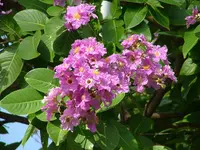
The locust tree, Robinia pseudoacacia, is a fast-growing deciduous tree in the legume family. It is often used in landscapes, shelterbelts, and erosion control plantings. Mature trees develop a tall, open crown with compound leaves and fragrant white spring flowers, followed by seed pods. Many forms have sharp thorns on young shoots. Robinia pseudoacacia is native to parts of the eastern United States but is now widely naturalized in many regions. It thrives in full sun, tolerates poor or dry soils, and fixes nitrogen, which helps it grow in harsh sites. These traits make it vigorous but also mean that care for locust tree plantings includes managing its suckers and spread.

Main Plant Requirements

Care Difficulty

Easy Care

Light Preference

Full Sun

Water Requirements

Low Water

Temperature Preference

Cold Hardy

Hardiness Zone

3–8

Soil Texture

Sandy, Loamy, Clay

Soil pH

Slightly acidic (6.5–7.0), Slightly alkaline (7.0–7.5)

Soil Drainage

Well-drained

Fertilization

Minimal (feed rarely)

Get Personalized Care Plan

Scan your plant to receive care tips personalized for your specific plant

Available on iOS and Android

How to Care for the locust tree

Robinia pseudoacacia thrives in bright, open sites with strong direct sun.

  • Provide 6–8 hours of direct sunlight daily; full sun promotes fastest growth, dense canopy, and abundant flowering.
  • The tree tolerates light partial shade, especially in hot regions, but growth may be looser and flowering reduced with less than 4–5 hours of sun.
  • Young locust tree plants benefit from morning sun and slight afternoon shade in hotter climates to limit leaf scorch during peak summer heat.

Robinia pseudoacacia prefers relatively dry, well-drained conditions once established.

  • For young trees, water when the top 5–8 cm of soil are dry; apply a deep soak, then allow the soil to dry again before the next watering.
  • Mature trees usually rely on rainfall; add supplemental water only during extended drought when leaves wilt or curl and new growth slows.
  • Avoid waterlogged soil; symptoms of overwatering include yellowing leaves, dieback at branch tips, and foul-smelling, soggy soil around the roots.

This species is cold hardy yet tolerant of summer heat in many temperate regions.

  • Active growth occurs best at 65–85°F (18–29°C), with the strongest shoot and leaf development in late spring and early summer.
  • The tree tolerates winter lows near -20°F (-29°C) once established, though young plants benefit from some shelter from severe drying winds.
  • It handles hot spells up to about 95°F (35°C) if soil moisture is not extremely low, but prolonged extreme heat with drought can cause leaf drop and stress.

Robinia pseudoacacia tolerates a wide humidity range and rarely needs special humidity management outdoors.

Robinia pseudoacacia grows best in loose, well-aerated mineral soil with fast drainage and moderate fertility.

  • Use a loamy or sandy soil with 10–20% compost to provide structure without becoming heavy or waterlogged.
  • Keep pH slightly acidic to slightly alkaline, roughly 6.0–8.0, as the species is adaptable but dislikes very acidic peat-heavy mixes.
  • Improve drainage and aeration on heavy sites by incorporating coarse sand or fine gravel through the top 20–30 cm of soil.
  • Avoid compacted clay, standing water, or sites where runoff regularly pools around the root zone.

This species can be grown in large outdoor containers for a limited time, mainly in juvenile or dwarf forms.

  • Choose a deep, heavy container that resists tipping as the top growth becomes tall and wind-exposed.
  • Use a free-draining mix such as 60–70% loam-based or general outdoor potting soil with added coarse sand or fine gravel.
  • Raise the pot on feet or bricks so drainage holes never sit directly on hard surfaces, allowing faster water escape and root aeration.

This nitrogen‑fixing locust tree usually needs minimal fertilizer in garden soil.

  • In poor or very sandy soils, apply a light layer of compost around the root zone each spring.
  • Use a balanced slow‑release NPK fertilizer at half strength only if growth is weak or leaves are pale.
  • Avoid summer and fall feeding to prevent soft late growth that may be damaged by frost.

Pruning Robinia pseudoacacia helps manage size, safety, and structure rather than boosting flowering.

  • Schedule main pruning in late winter to very early spring while the tree is dormant.
  • Remove dead, storm‑damaged, rubbing, or crossing branches using sharp bypass pruners or a clean pruning saw.
  • Thin crowded interior wood to reduce breakage risk and to create a stable, open crown shape.
  • Cut back root suckers at ground level to limit unwanted spreading and maintain a single‑stem form.

This species is usually field‑grown, so care focuses on transplanting young trees rather than container repotting.

  • Transplant in late fall or very early spring when the tree is dormant to limit stress.
  • Look for circling roots, rootbound containers, or stalled top growth as signs a nursery plant is ready for a larger site.
  • Loosen or slice circling roots, set at the same depth, and water deeply to settle soil around the root ball.
  • Mulch 5–8 cm over the root zone after transplanting and keep soil evenly moist during the first 1–2 growing seasons.

Robinia pseudoacacia is commonly propagated for forestry and ornamental use but can become invasive in some regions.

  • Sow seeds in late winter to early spring after 12–24 hours soaking in warm water to soften the hard seed coat.
  • Grow seedlings in full light with evenly moist, well‑drained substrate until roots fill the container.
  • Lift and transplant root suckers or root cuttings in late winter while plants are dormant for higher success rates.
  • Space young plants carefully and use root barriers if spread is a concern in the landscape.

Established Robinia pseudoacacia is generally cold hardy and needs little winter care in most temperate climates.

  • Young trees benefit from 5–8 cm of mulch over the root zone, kept away from direct contact with the trunk.
  • In very cold or exposed sites, stake and loosely wrap the lower trunk with breathable material to reduce bark injury.
  • Move container‑grown specimens to a sheltered, unheated but frost‑free or slightly protected area to limit root freezing.

Care Tips

Root sucker management

Inspect the root zone 2–3 times per growing season and promptly cut off any root suckers at ground level to prevent unwanted thickets and keep the main tree as the dominant stem.


Wind-resistant training

In the first 3–5 years, selectively prune to develop a single strong leader and well-spaced scaffold branches so the tree is less prone to wind damage and breakage later.

Thorn-safe handling

When pruning or working near young branches, always wear thick gloves and long sleeves, and use long-handled tools to avoid injury from the sharp thorns.

Nitrogen management

Because this species fixes atmospheric nitrogen through root nodules, avoid high-nitrogen fertilizers nearby and plant it away from low-nutrient habitats where it could outcompete native species.

Infrastructure protection

Keep the tree at least 15–20 ft away from foundations, pavements, and septic lines, since its vigorous root system can lift hard surfaces and interfere with underground structures when growing locust tree.

Common Pests and Diseases

locust borer

This pest is a black-and-yellow longhorn beetle whose larvae tunnel in the trunk and branches, weakening the wood and often causing branch dieback or breakage.

Solution

Prune and destroy infested branches before larvae complete development, focusing on areas with oozing sap or frass, and maintain tree vigor through proper watering and mulching to reduce susceptibility; in high-risk areas, consider consulting an arborist about targeted trunk or bark treatments timed to adult beetle flight in late summer to early fall.

locust leaf miner

These insects are small beetles whose larvae feed between the upper and lower leaf surfaces, causing brown, papery blotches and premature leaf drop, especially in late summer.

Solution

Rake and remove fallen leaves to reduce overwintering populations, encourage natural predators by avoiding broad-spectrum insecticides, and for high-value trees consider consulting a professional for properly timed systemic treatments applied in spring to protect new foliage.

black locust canker

This disease causes sunken, cracked areas on branches and stems that can girdle twigs, leading to dieback and entry points for wood-boring insects.

Solution

Prune out infected branches several inches below visible cankers during dry weather, disinfect pruning tools between cuts with alcohol or a 10% bleach solution, and avoid trunk wounding or other stress that predisposes trees to infection.

powdery mildew

This disease produces white, powdery fungal growth on leaves, which may curl, yellow, and drop prematurely, especially in crowded or shaded plantings.

Solution

Improve air circulation by thinning nearby vegetation, avoid overhead watering that keeps foliage damp, and if needed use a labeled horticultural oil or potassium bicarbonate spray applied thoroughly to both leaf surfaces during early infection stages.

aphids

These insects are small, soft-bodied sap feeders that cluster on young shoots and leaf undersides, causing distorted growth and sticky honeydew that can attract sooty mold.

Solution

Spray infested foliage with a strong stream of water to knock aphids off, encourage natural enemies such as lady beetles by minimizing insecticide use, and if populations remain high apply insecticidal soap or horticultural oil, coating stems and leaf undersides thoroughly in cool, calm conditions as part of broader Robinia pseudoacacia plant care.

Interesting Facts

Nitrogen-fixing pioneer

This species forms root nodules with Rhizobium bacteria that convert atmospheric nitrogen into usable forms, allowing it to colonize poor, disturbed soils and gradually enrich them for other plants.

Exceptionally durable wood

Its heartwood is very dense, rot-resistant, and rich in natural compounds that slow decay, which is why it has been widely used for fence posts, vineyard stakes, and exterior construction without chemical treatment.

Highly invasive behavior

Outside its native range in eastern North America, this tree often spreads aggressively through root suckers and seed, forming dense stands that outcompete native vegetation and alter soil chemistry.

Botan icon

Did you know?

This tree produces abundant, fragrant white flower clusters that are a major nectar source for honey bees in late spring, and monofloral acacia honey in Europe and elsewhere is primarily derived from its blossoms rather than from true Acacia species.

FAQs about locust tree

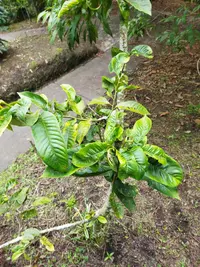
Yellowing leaves usually result from root stress, waterlogging, drought, nutrient deficiency (especially nitrogen), or compacted soil. Check soil moisture, drainage, and root damage, then adjust watering and improve soil aeration before considering fertilizer use.

Grow Healthy Plants with Botan Care

Keep your plants happy and healthy with plant identification, disease detection, and easy care guidance.

Botan plant care app — identify plants on mobile

Explore More Plants