cedar elm Care (Ulmus crassifolia)

cedar elm

About cedar elm

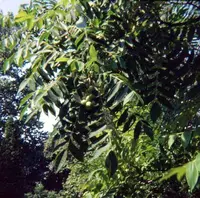
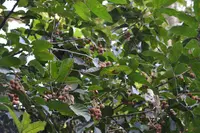
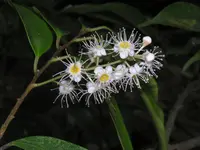
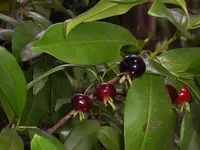
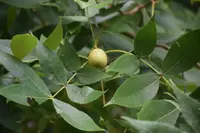
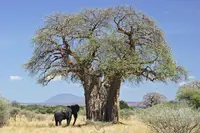
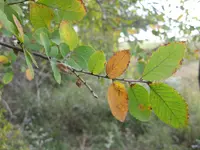
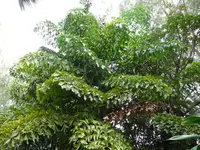
Cedar elm, Ulmus crassifolia, is a medium to large deciduous tree native to the south-central United States and parts of northern Mexico. It is often used in streetscapes, parks, and larger gardens. Its growth habit is upright with a rounded crown, small rough-textured leaves, and distinctive corky ridges along the twigs. Bark is gray to brown and becomes deeply furrowed with age. This species is valued for high tolerance to heat, drought, and urban conditions, which makes it relatively forgiving for beginners. Light, well-drained soil and full sun exposure generally support healthy growth and make it easier to care for cedar elm.

Main Plant Requirements

Care Difficulty

Easy Care

Light Preference

Full Sun

Water Requirements

Moderate Water

Temperature Preference

Cold Hardy

Hardiness Zone

6–9

Soil Texture

Sandy, Loamy, Clay

Soil pH

Slightly acidic (6.5–7.0), Slightly alkaline (7.0–7.5)

Soil Drainage

Moist but well-drained

Fertilization

Minimal (feed rarely)

Get Personalized Care Plan

Scan your plant to receive care tips personalized for your specific plant

Available on iOS and Android

How to Care for the cedar elm

This heat- and drought-tolerant elm thrives in full sun but accepts some light shade.

  • Provide 6–8 hours of direct sun daily; open, unshaded exposure supports dense branching and smaller, stronger leaves in cedar elm.
  • Allow light or dappled shade in the afternoon in very hot regions to reduce leaf scorch, especially on young or newly transplanted trees.
  • Monitor seasonal changes: ensure young trees are not suddenly exposed from shade to full sun; gradually thin surrounding vegetation to prevent sun shock.

This species prefers deep, infrequent watering that encourages a strong root system.

  • Before watering, let the top 5–8 cm of soil dry; soil should feel dry to the touch but not powdery, then apply a slow, deep soak to reach deeper roots.
  • During the first 2–3 growing seasons, check moisture weekly in dry weather; mature Ulmus crassifolia typically needs supplemental water only during extended droughts.
  • Watch for stress signs: yellowing leaves and soft new growth suggest overwatering or poor drainage, while crisp leaf edges and early leaf drop point to underwatering.

This elm is adapted to hot summers and cool to cold winters across much of its native range.

  • Optimal growth occurs around 70–90°F (21–32°C); active shoot and leaf growth is strongest in warm, long-day conditions.
  • The tree tolerates winter lows near 0°F (−18°C) once established, but young specimens benefit from protection from severe, drying winter winds.
  • In summer heat above 100°F (38°C), ensure soil does not fully dry out; heat-tolerant foliage can still scorch if high temperature combines with intense sun and drought.

Ulmus crassifolia tolerates a wide humidity range and rarely needs special humidity management.

  • Maintain ambient humidity around 30–50%; this range suits most homes and matches its native conditions.
  • Dry indoor air is usually tolerated, but prolonged exposure below 25% can crisp leaf edges and tips.
  • If air is very dry and leaves scorch, group plants or place a wide tray of water and stones nearby to slightly raise humidity.

Ulmus crassifolia prefers moderately moist, well-drained mineral soils with some organic matter.

  • Use a sandy or loamy mix with 20–30% compost to hold nutrients while still allowing free drainage.
  • Aim for a soil pH of 6.0–7.5; avoid highly acidic or strongly alkaline conditions that limit nutrient uptake.
  • In heavier soils, incorporate coarse sand or fine bark to increase aeration and reduce waterlogging risk.
  • Avoid compacted, constantly wet, or anaerobic soil, which encourages root rot and poor root development.

This species can be grown in containers for bonsai or short-term landscape use if managed carefully.

  • Choose a wide, heavy container to stabilize the tree’s developing canopy and prevent tipping in strong winds.
  • Use a deep pot that allows a strong taproot and lateral roots to develop before they circle the container walls.
  • Select a gritty, fast-draining container mix so water moves through quickly and roots do not sit in a saturated zone.

Ulmus crassifolia needs modest nutrition, especially when young or container-grown.

  • Use a balanced slow-release fertilizer (for example 10-10-10) or well-rotted compost in early spring.
  • Feed once in spring and again in mid-summer during active growth; avoid late-season applications.
  • Apply at 1/2–3/4 the labeled rate to reduce salt stress and leaf burn risk.
  • Mature trees in fertile ground often need no additional fertilization beyond organic mulch breakdown.

Pruning supports strong structure and clearance for Ulmus crassifolia in landscapes.

  • Schedule main pruning in late winter while the tree is dormant and branching is visible.
  • Remove dead, diseased, crossing, or storm-damaged wood first to reduce pest and decay entry points.
  • Thin congested interior branches to improve light penetration and airflow, guiding a single dominant leader.
  • Use clean, sharp bypass pruners or a pruning saw, making small, angled cuts just outside the branch collar.

Cedar elm is usually field-grown, so management focuses on transplanting rather than long-term container culture.

  • Transplant in late fall or very early spring when the tree is dormant to reduce water stress.
  • Look for circling roots, cracked containers, or stunted growth as signals a young nursery tree needs a larger pot before planting out.
  • Move up only 1–2 container sizes, loosening girdling roots and trimming damaged ones with clean tools.
  • After transplanting, water deeply, mulch 5–8 cm away from the trunk, and keep soil evenly moist until new growth appears.

Ulmus crassifolia is typically propagated in professional nurseries, but home propagation is possible with attention to timing and conditions.

  • Collect ripe seeds in fall, then cold-stratify at 34–41°F for 60–90 days before spring sowing.
  • Sow seeds in a well-drained, sterile mix, keeping it evenly moist and in bright, indirect light for germination.
  • Take semi-hardwood cuttings in early summer, use rooting hormone, and place in high humidity with bottom warmth.
  • Air layering on vigorous young branches in late spring can produce rooted sections for later potting or planting.

This species is cold hardy in much of its range and usually needs minimal winter care.

  • Established in-ground trees tolerate typical winter frosts without added protection.
  • Young or newly planted trees benefit from 5–8 cm of mulch over the root zone, kept away from the trunk.
  • Container-grown specimens in colder regions should be moved to a sheltered, unheated but frost-moderated location.

Care Tips

Trunk flare exposure

Plant slightly high and gently remove excess soil from around the base over time so that the trunk flare is fully visible, which reduces risk of rot and improves long-term stability.

Windfirm training

In the first 3–5 years, selectively prune or shorten competing leaders and narrow branch crotches to build a single dominant leader and wide-angled scaffold branches that better resist storm damage.

Root zone protection

Keep a 60–90 cm mulch ring around the tree free of turf and foot traffic to protect surface roots, moderating soil temperature and reducing mower or string trimmer injury.

Soil salinity monitoring

In areas using road salt or hard irrigation water, periodically test soil electrical conductivity near the dripline and, if elevated, deep-leach the root zone with fresh water in late winter or early spring.

Targeted pest scouting

From late spring through summer, inspect underside of leaves and recent twigs every 2–3 weeks for scale insects, lace bugs, and elm leaf beetles so that any infestation is treated early with the least disruptive control methods while caring for cedar elm.

Common Pests and Diseases

Dutch elm disease

This disease is a vascular wilt caused by Ophiostoma fungi, spread mainly by elm bark beetles or through root grafts between nearby elms. Symptoms include yellowing, wilting, and browning leaves on individual branches that progress through the canopy.

Solution

Prune out and destroy infected limbs as soon as symptoms appear, cutting at least 1–2 ft below visible discoloration, and disinfect tools between cuts. Remove and properly dispose of severely infected trees to limit spread, avoid pruning during peak beetle flight, and consult a certified arborist about trunk injections or fungicide protection for high‑value trees as part of broader Dutch elm disease management.

elm leaf beetle

These insects feed on elm foliage, creating small shot‑hole damage and skeletonized leaves that can cause premature defoliation. Repeated heavy feeding stresses the tree and can thin the canopy over time.

Solution

Monitor leaves in late spring and summer and physically remove clusters of larvae on reachable branches. Encourage natural predators, use sticky bands on trunks to intercept larvae crawling to pupate, and, for serious infestations, work with a professional to apply targeted systemic or foliar insecticides timed to early larval stages to protect foliage while limiting non‑target impact.

elm leaf aphid

These insects cluster on young shoots and leaf undersides, sucking sap and excreting sticky honeydew that can lead to black sooty mold. Symptoms include curled or distorted new leaves and a general decline in vigor if numbers are high.

Solution

Spray infested foliage with a firm stream of water to dislodge aphids and repeat every few days as needed. Support beneficial insects such as lady beetles, avoid high‑nitrogen fertilization that stimulates soft new growth, and, if populations remain high, use targeted horticultural oils or insecticidal soaps applied thoroughly to leaf undersides according to Ulmus crassifolia care instructions.

elm phloem necrosis

This disease, also called elm yellows, is caused by a phytoplasma that destroys the tree’s phloem tissue, leading to rapid yellowing, leaf drop, and eventual tree death. Symptoms include bright yellow foliage, thinning canopy, and sometimes an unpleasant odor in the inner bark when cut.

Solution

Remove and destroy infected trees promptly to reduce spread, since there is no curative treatment once symptoms develop. Avoid planting new elms in areas with known elm phloem necrosis pressure, and work with an arborist to monitor nearby elms and consider insect vector management and resistant species or cultivars in high‑risk regions.

powdery mildew

This disease produces a white to gray powdery coating on elm leaves, especially in shaded or crowded conditions with poor air movement. Symptoms include cosmetic leaf spotting, some distortion, and early leaf drop in severe cases, though cedar elm usually tolerates mild infections well.

Solution

Improve air circulation by selective thinning of dense branches and avoid overhead irrigation that keeps foliage damp for long periods. Rake and remove heavily infected fallen leaves, and, if repeated outbreaks cause significant leaf loss, consider a preventative fungicide program applied early in the season on high‑value specimens under guidance from a tree care professional.

Interesting Facts

True cedar elm origin

Despite its common name, this tree is not a true cedar but a deciduous elm native to the south-central United States and northeastern Mexico, especially common on limestone-derived soils in Texas.

Adaptation to thin soils

This species is unusually tolerant of compacted, shallow, and alkaline soils and often dominates rocky upland sites and stream terraces where many other broadleaf trees struggle.

High wildlife value

Its seeds and buds provide food for birds and small mammals, while the dense branching and persistent small leaves offer important cover and nesting habitat in urban and rural landscapes.

Botan icon

Did you know?

Cedar elm is considered one of the most drought- and heat-tolerant native North American elms and is widely studied as a resilient urban shade tree in regions where other elms fail, making it an important species for long-term city planting plans and Ulmus crassifolia care discussions.

FAQs about cedar elm

This tree typically grows about 30–60 cm per year under average landscape conditions. Growth is faster in deep, moderately moist soil and full sun, and slower in shallow, compacted, or very dry sites.

Grow Healthy Plants with Botan Care

Keep your plants happy and healthy with plant identification, disease detection, and easy care guidance.

Botan plant care app — identify plants on mobile

Explore More Plants