Protect growing point
When handling or transplanting, avoid knocking or burying the central crown, since any damage to this single growing point can permanently deform or kill the plant.

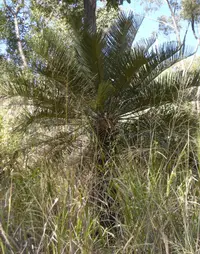
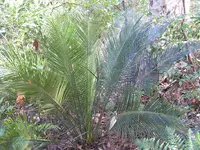
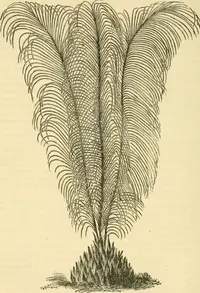
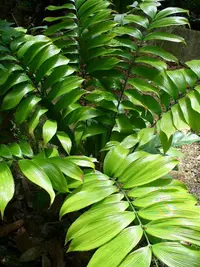
Macrozamia miquelii is a slow-growing cycad, an ancient group of seed plants that resemble palms but are not true palms. It forms a stout trunk topped with a symmetrical crown of stiff, glossy, feather-like leaves.
This species is native to eastern Australia, where it grows in open forests and woodlands, often on well-drained, sandy or gravelly soils. It has a long lifespan and stays relatively compact for many years, which can suit large containers or spacious gardens.
Growth is slow and the plant is quite resilient once established, but it dislikes poor drainage and repeated disturbance to its roots. Understanding how to care for Macrozamia miquelii starts with providing bright light, free-draining soil, and moderate, consistent moisture without waterlogging.

Care Difficulty
Moderate Care

Light Preference
Partial Shade

Water Requirements
Moderate Water

Temperature Preference
Warm Climate

Hardiness Zone
9–11

Soil Texture
Sandy, Loamy, Rocky

Soil pH
Acidic (5.5–6.5), Slightly acidic (6.5–7.0)

Soil Drainage
Well-drained

Fertilization
Minimal (feed rarely)
Scan your plant to receive care tips personalized for your specific plant
Available on iOS and Android
This slow-growing cycad prefers bright, gentle light that mimics open woodland conditions.
This species prefers deep, infrequent watering and well-aerated soil around its taproot.
This cycad thrives in warm, mild climates with only brief exposure to cold.
This cycad handles a wide humidity range but prefers slightly moist air.
Macrozamia miquelii prefers sharply draining, sandy substrates that still hold some organic matter.
This species grows reliably in containers when given a deep, very free-draining setup.
This slow-growing cycad gains most nutrients from a well-structured, gritty soil and needs only modest feeding.
This species needs minimal pruning, mainly to maintain health and remove damaged tissue.
This cycad dislikes frequent disturbance, so repotting or transplanting should be infrequent and deliberate.
This species is usually propagated from seed and is considered slow and technical for most home growers, so routine propagation is uncommon.
This subtropical cycad has limited frost tolerance and benefits from targeted winter protection in colder regions.

Plant Health Check
Not sure what's wrong with your plant? Check your plant's health inside the app.
This species relies on a tight mutualism between its cones and specific thrips insects, which move pollen between male and female cones attracted by cone heat and scent rather than by showy flowers.
Its bright red seeds contain potent toxins, but are enclosed in a fleshy outer layer that attracts animals; some native fauna can handle limited exposure and help move the seeds away from the parent plant.
In its native Queensland habitats, the plant often grows in fire-prone sclerophyll forests and survives surface fires through its underground stem and tough leaf bases that protect the growing point.

Macrozamia miquelii can live for many decades and sometimes over a century, building its trunk extremely slowly so that mature plants in the wild often represent long-term stability in their local ecosystem.
All parts of this species are highly toxic if eaten, especially the seeds. It can cause vomiting, liver damage, and neurological signs in pets and people. Keep it out of reach and prevent chewing or ingestion.
Keep your plants happy and healthy with plant identification, disease detection, and easy care guidance.