Acclimate To Full Sun
When moving a container plant outdoors, increase sun exposure over 2–3 weeks to prevent leaflet scorch and let the crown adjust gradually to higher light and wind.

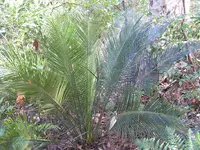
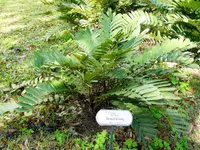
Burrawong, Macrozamia communis, is a slow-growing cycad, not a true palm, with a stout trunk and a symmetrical crown of glossy, arching fronds. It forms clumps over time and can become a striking structural feature in gardens or large containers.
This species is native to coastal and near-coastal areas of southeastern Australia, where it grows in woodland and dry sclerophyll forest. It is generally tough and long-lived but slow to establish, so patience is important when learning how to care for burrawong.
It prefers bright light with some protection from harsh midday sun, well-drained sandy or gritty soil, and moderate, even moisture without waterlogging.

Care Difficulty
Moderate Care

Light Preference
Partial Sun

Water Requirements
Low Water

Temperature Preference
Warm Climate

Hardiness Zone
9–11

Soil Texture
Sandy, Loamy, Rocky

Soil pH
Acidic (5.5–6.5), Slightly acidic (6.5–7.0)

Soil Drainage
Well-drained

Fertilization
Minimal (feed rarely)
Scan your plant to receive care tips personalized for your specific plant
Available on iOS and Android
This cycad prefers bright, indirect light with some direct morning sun for best growth.
This species prefers thorough but infrequent watering once the soil has partly dried.
This hardy cycad prefers mild, temperate conditions with cool winters and warm summers.
This cycad handles a wide humidity range and usually does not need special humidity management indoors.
Macrozamia communis prefers sharply drained, mineral-rich soil that mimics its native sandy habitats.
This species is suitable for container growing, especially in cooler climates or where in-ground planting is not practical.
Macrozamia communis grows slowly and needs only modest feeding in cultivation.
Macrozamia communis needs minimal pruning, aimed mainly at hygiene and safety rather than shaping.
This cycad dislikes disturbance, so repotting or transplanting should be infrequent and carefully planned.
Macrozamia communis is usually propagated from seed, a slow but reliable method under controlled conditions.
This species is fairly cold tolerant once established but benefits from simple winter care in cooler regions.

Plant Health Check
Not sure what's wrong with your plant? Check your plant's health inside the app.
The large orange seeds contain potent cycad toxins that must be thoroughly leached and processed before they are safe to eat, a practice historically used by some Aboriginal groups in eastern Australia.
In its native range on the New South Wales coast, the fleshy seed coat attracts animals such as swamp wallabies, which eat the outer layer and help disperse the hard inner seeds through their droppings.
This cycad often has most of its stem underground, allowing the crown to resprout after bushfire from protected tissues and an energy-rich storage root.

Macrozamia communis is one of the most abundant and widespread cycads in eastern Australia, forming extensive colonies in coastal forests and woodlands that may include many genetically distinct individuals intermingled across the landscape.
Yellowing fronds usually indicate natural aging of older leaves, chronic overwatering, or nutrient deficiency, especially nitrogen or magnesium. Check drainage, avoid waterlogged soil, and apply a balanced slow-release fertilizer sparingly during the growing season to correct problems.
Keep your plants happy and healthy with plant identification, disease detection, and easy care guidance.