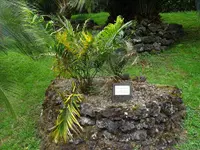
Cycad Care (Macrozamia pauli-guilielmi)

Also known as: pineapple zamia, zamia palm, wild pineapple
Cycad

About Cycad

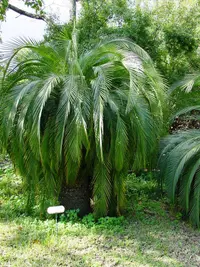
Macrozamia pauli-guilielmi is a small cycad, an ancient group of seed plants that resemble palms but are not closely related. It forms a compact crown of stiff, arching, glossy green leaflets on a short, often partly buried trunk.

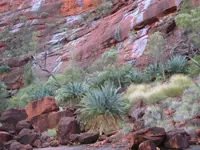
This species is native to parts of eastern Australia, where it grows in dry, open habitats with well-drained, often sandy soils. Its slow growth, long life, and tolerance of drought make it durable but not fast to establish, so patience is important when learning how to care for Cycad.

It generally prefers bright light, low to moderate moisture, and sharply draining soil, which helps reduce root problems and keeps maintenance relatively low once established.

Main Plant Requirements

Care Difficulty

Moderate Care

Light Preference

Partial Sun

Water Requirements

Low Water

Temperature Preference

Warm Climate

Hardiness Zone

9–11

Soil Texture

Sandy, Loamy, Rocky

Soil pH

Acidic (5.5–6.5), Slightly acidic (6.5–7.0)

Soil Drainage

Well-drained

Fertilization

Minimal (feed rarely)

Get Personalized Care Plan

Scan your plant to receive care tips personalized for your specific plant

Available on iOS and Android

How to Care for the Cycad

Macrozamia pauli-guilielmi prefers bright, gentle light that mimics dappled woodland sun.

  • Provide 4–6 hours of bright, indirect light or soft morning sun, with protection from harsh midday and afternoon sun to avoid leaf scorch.
  • Plant in a spot with light shade or filtered light under taller plants or a shade cloth, which suits this Cycad in warm, sunny climates.
  • In summer, monitor for yellowing or crisp leaf tips from excess sun, and in cooler seasons avoid deep shade that causes stretched, weak growth.

This drought-tolerant cycad prefers thorough but infrequent watering in sharply draining soil.

  • Water only when the top 3–5 cm of soil are completely dry, then soak the root zone and allow excess water to drain away fully.
  • During warm, active growth, expect to water more often after hot, dry spells; in cooler seasons reduce watering so the soil stays mostly dry between soakings.
  • Watch for soft, yellowing leaf bases or a musty smell as signs of overwatering, and for folded, dull fronds or dry soil pulling from the ground as signs of underwatering.

This species prefers warm, stable conditions and handles moderate heat better than extended cold.

  • Aim for 65–80°F (18–27°C) for best growth, with slight nightly drops that mimic natural outdoor conditions.
  • Short dips to about 30°F (-1°C) may be tolerated once established, but repeated frosts or hard freezes can damage fronds and young growing points.
  • In hot spells above 95°F (35°C), provide light shade and soil moisture checks, and in cooler seasons protect from cold winds and radiative frost near exposed surfaces.

This species tolerates typical indoor humidity but stays healthiest in moderately dry air conditions.

  • Aim for 30–50% humidity; avoid sustained levels above 60% which can encourage fungal issues around the crown.
  • Dry household air is usually tolerated, but very hot, dry drafts can brown leaflet tips over time.
  • If leaf tips crisp or new growth stalls, raise humidity slightly with a nearby water tray or grouped plants, keeping the Cycad foliage dry.

This species prefers sharply drained, mineral-based soil that mimics its native, gritty habitat.

  • Use a sandy, gritty mix such as 50–60% inorganic materials (pumice, coarse sand, small gravel, perlite) blended with 40–50% low-peat composted bark or similar organic matter.
  • Ensure very fast drainage; water should pass through the pot in seconds, leaving no standing water around the root zone.
  • Aim for slightly acidic to neutral pH (6.0–7.0), avoiding strongly alkaline mixes that can limit nutrient availability for Macrozamia pauli-guilielmi.
  • Avoid heavy, compacted, or water-retentive substrates such as straight garden soil or dense peat mixes, which quickly lead to root and caudex rot.

This species adapts well to container growing when provided with a stable, deep pot and fast drainage.

  • Choose a deep, heavy container that resists tipping as the stiff fronds lengthen and shift the center of gravity upward.
  • Select a pot material like unglazed clay if extra evaporation is needed in humid climates, or a thicker-walled container to slow moisture loss in very dry sites.
  • Fill the pot so the caudex sits slightly above the rim level, preventing water from pooling around the crown during irrigation or rain.

Macrozamia pauli-guilielmi is a slow-growing cycad that benefits from light, infrequent feeding during the warm growing season.

  • Use a balanced slow-release fertilizer (for example 10-10-10) or organic compost, applied sparingly to the soil surface.
  • Feed once in spring and again in mid-summer for outdoor plants; container plants may need 3 light feedings per growing season.
  • Dilute liquid fertilizers to 1/2–1/4 strength to avoid root burn and nutrient salt buildup.
  • Stop feeding in fall and winter, when growth is minimal, to prevent weak, elongated foliage.

Macrozamia pauli-guilielmi needs minimal pruning, mainly to maintain cleanliness and plant health rather than to shape growth.

  • Carry out any pruning in late winter or early spring before strong new growth begins.
  • Remove only dead, yellowing, or badly damaged fronds at their base using sharp, clean pruners or a pruning saw.
  • Avoid cutting healthy green fronds, as this slows growth and reduces the plant’s energy reserves.
  • Trim old leaf bases or spent cones if desired to tidy appearance, taking care not to injure the crown.

This species grows slowly and dislikes disturbance, so repotting or transplanting should be infrequent and deliberate.

  • Look for roots circling the pot, cracking containers, or very slow growth despite good care as signs it needs more space.
  • Plan repotting or transplanting for late spring to early summer, when soil is warm and recovery is faster.
  • Expect container plants to need a larger pot only every 4–6 years, using a gritty, sharply draining mix.
  • Handle the root ball gently, keep the crown at the same depth, water thoroughly once, then allow the soil to dry slightly to reduce stress.

Macrozamia pauli-guilielmi is usually propagated from seed, which is slow and demands patience and stable conditions.

  • Collect fully ripe seeds, clean off any flesh, and allow a short dry rest period before sowing.
  • Sow in late spring or early summer in a deep tray or pot filled with a very free-draining, sandy mix.
  • Maintain warm temperatures of about 75–85°F and consistent, lightly moist but never wet substrate to encourage germination.
  • Understand that germination and early seedling growth can take many months, so label containers and avoid unnecessary disturbance.

This plant has moderate cold tolerance but still benefits from thoughtful winter care in cooler climates.

  • In the ground, it may handle brief light frosts, but prolonged freezes can damage fronds and the growing point.
  • Apply a 5–8 cm layer of dry mulch around the root zone, keeping it slightly away from the crown to insulate soil.
  • For container plants in regions below about 25°F, move pots indoors or into an unheated but frost-free garage or greenhouse.

Care Tips

Stabilize Heavy Caudex

Position the pot so the swollen stem base sits slightly above the soil line and top-dress with coarse gravel to keep the plant stable and prevent basal rot as the caudex enlarges.

Rotate For Symmetry

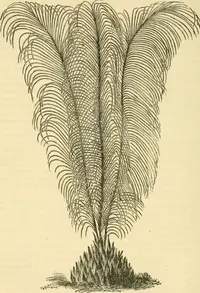
Turn the container 90° every 2–3 weeks during active growth so new fronds develop evenly around the crown instead of leaning toward one side.

Protect Emerging Fronds

Avoid handling or brushing against new flushes of fronds and keep pets away, since any bending or breakage while they are still soft can cause permanent deformities.

Deep Winter Rest

In areas with cool but frost-free winters, slightly reduce water and avoid repotting or disturbing the roots during the coldest months to allow a proper rest period that supports stronger flushes in spring.

Prevent Pot Overheating

If the plant grows in a dark container in full sun, shade the pot or double-pot it so the root zone stays cooler than the leaf zone, reducing stress and root damage when growing Cycad in hot climates.

Common Pests and Diseases

Cycad scale

This pest forms dense white crust-like patches on fronds and rachis, often leading to yellowing and a dull, dusty look. Infestations can weaken Macrozamia pauli-guilielmi over time and slow new growth.

Solution

Remove heavily infested fronds and gently scrub remaining fronds with a soft brush and mild soapy water, then rinse well. Improve light and air movement, and if needed apply a horticultural oil labeled for scale to all leaf surfaces, repeating according to label until new growth emerges clean.

Mealybugs

These insects appear as white, cottony clusters in leaflet bases, on roots, and around the crown. Feeding can cause yellowing, distorted new fronds, and sticky honeydew that encourages sooty mold.

Solution

Isolate the plant, then wipe visible pests with cotton swabs dipped in isopropyl alcohol and rinse foliage. For persistent infestations, drench the potting mix and spray foliage with a systemic or contact insecticide labeled for mealybugs, ensuring thorough coverage in all crevices while avoiding runoff into natural waterways.

Crown and collar rot

This disease affects the base of the stem and central crown, with symptoms including browning leaf bases, soft or foul-smelling tissue, and sudden collapse of new flushes. Problems are more frequent in poorly drained or overwatered conditions, especially in cool, wet weather.

Solution

Remove and discard all affected tissue and dead fronds, let the crown dry, and improve drainage by using a fast-draining mix and a pot with large drainage holes. Reduce watering, keep the crown above the soil line, and apply a targeted fungicide containing phosphites or similar active ingredients if early symptoms are detected.

Spider mites

These insects cause fine speckling, dulling, and bronzing of the stiff leaflets, often with fine webbing along the undersides in warm, dry conditions. Symptoms include slow decline and increased leaf drop if left unmanaged.

Solution

Shower the plant thoroughly, directing water to the undersides of fronds, and increase humidity slightly around the plant while keeping good air flow. For ongoing issues, use repeated applications of insecticidal soap or horticultural oil, rotating products if necessary and treating both sides of every leaflet to break the life cycle.

Interesting Facts

Naturally dwarf cycad

This species stays compact in its native habitat in eastern Australia, forming low clumps rather than tall trunks, which makes it unusual compared with many larger Macrozamia species.

Bluish juvenile foliage

Young plants often show a subtle bluish or glaucous tint on the leaflets due to a waxy coating, which helps reduce water loss and gives the foliage a distinctive color compared with many other cycads.

Fire-adapted underground stem

It has a mostly subterranean stem that stores starch and protects the growing point from bushfires, allowing the plant to resprout from the base after damage in its fire-prone habitat.

Botan icon

Did you know?

The seeds are large, bright red when ripe, and are thought to be dispersed in part by native animals such as birds and mammals that are attracted to the fleshy outer layer but avoid or tolerate the toxic compounds common in Macrozamia species.

FAQs about Cycad

This species grows very slowly, often adding only 2–5 cm of trunk height per year. It usually forms a compact, low trunk with a symmetrical crown of stiff fronds, making it suitable for long-term container display.

Grow Healthy Plants with Botan Care

Keep your plants happy and healthy with plant identification, disease detection, and easy care guidance.

Botan plant care app — identify plants on mobile

Explore More Plants