Zamia neurophyllidia Care

Zamia neurophyllidia

About Zamia neurophyllidia

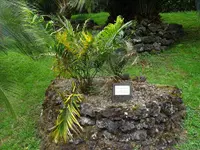
Zamia neurophyllidia is a rare cycad, an ancient group of seed plants often mistaken for palms. It forms a compact rosette of stiff, glossy leaflets on short underground stems. Mature plants develop a low, architectural silhouette that suits containers and sheltered outdoor spots in warm climates.

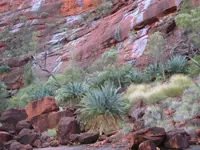
This species is native to parts of Central America, where it grows in seasonal tropical forests with filtered light and well-drained, often rocky soils. It grows slowly and dislikes sudden changes, so patience is important when learning how to care for Zamia neurophyllidia.

Stable conditions with bright, indirect light, moderate moisture, and a free-draining mix usually support healthy, steady growth.

Main Plant Requirements

Care Difficulty

Moderate Care

Light Preference

Partial Shade

Water Requirements

Moderate Water

Temperature Preference

Tropical / Frost Sensitive

Hardiness Zone

11–12

Soil Texture

Sandy, Loamy, Organic-rich

Soil pH

Acidic (5.5–6.5), Slightly acidic (6.5–7.0)

Soil Drainage

Well-drained

Fertilization

Minimal (feed rarely)

Get Personalized Care Plan

Scan your plant to receive care tips personalized for your specific plant

Available on iOS and Android

How to Care for the Zamia neurophyllidia

This cycad prefers bright, filtered light that mimics light woodland conditions.

  • Provide 3–6 hours of bright, indirect light daily, such as dappled sun under high tree canopy or beneath 30–50% shade cloth.
  • Allow gentle morning sun but protect from strong midday and late-afternoon sun, which can scorch leaflets and cause pale, bleached patches on Zamia neurophyllidia.
  • In hotter months, shift exposure to more shade; in cooler seasons, increase morning or filtered sun to maintain compact growth and rich leaf color.

Watering should keep the root zone lightly moist, then allow a partial dry-down between soakings.

  • Water thoroughly only when the top 3–5 cm of soil feels dry, letting water drain away so roots do not stand in waterlogged soil.
  • During warm active growth, expect more frequent watering, but in cooler months reduce frequency as evaporation and growth slow noticeably.
  • Watch for yellowing, soft leaf bases and a sour soil smell as signs of overwatering, and for crisp leaflet tips and folding leaflets as signs of underwatering in Zamia neurophyllidia.

This species grows best in consistently warm, frost-free conditions.

  • Aim for 70–85°F (21–29°C) for strong growth, with stable conditions and good air movement to limit disease pressure.
  • Protect from cold; growth slows below 60°F (16°C) and tissue damage can occur below 45°F (7°C), especially during prolonged chill or wet spells.
  • Avoid extremes above 95°F (35°C) by providing shade and mulch; high heat combined with full sun and dry soil can scorch foliage and stress the plant.

This cycad prefers moderate, stable humidity but copes with typical indoor air if not too dry.

  • Aim for 40–60% humidity; brief drops lower than 30% are tolerated but slow growth.
  • Brown leaflet tips, rolled new fronds, and faster spider mite buildup indicate air that is too dry.
  • Increase humidity with a nearby open tray of water and stones or by grouping plants, rather than misting leaves directly.

This species thrives in a sharply drained, sandy to gritty mix that still holds moderate, even moisture.

  • Use a mix of roughly 40% coarse sand or grit, 30% cactus mix, and 30% fine bark or compost for a loose, airy structure.
  • Ensure excess water drains in seconds, not minutes; water should never pool on the surface or sit in the saucer.
  • Keep pH slightly acidic to neutral (pH 6.0–7.0), avoiding strongly alkaline media that reduce nutrient availability.
  • Avoid heavy, peat-only, or clay-based mixes that compact, trap water around the roots, and promote rot in Zamia neurophyllidia.

This cycad is well suited to container growing when the pot supports its slow, deep-rooting habit.

  • Choose a pot that is deeper than it is wide so the subterranean stem and roots can extend downward without crowding.
  • Select a heavy, stable container material such as ceramic or clay to prevent tipping as foliage becomes fuller.
  • Elevate the pot slightly on feet or pot risers so drainage holes stay clear and water does not stagnate under the base.

This cycad is slow growing and needs modest, careful feeding to stay healthy in containers.

  • During spring–summer, apply a balanced slow-release or dilute liquid fertilizer (for example 10-10-10) every 6–8 weeks.
  • Use at 1/2–1/4 label strength to avoid salt buildup and root burn.
  • Supplement with a thin layer of well-rotted compost on top of the mix once per year.
  • In fall–winter, when growth slows, withhold fertilizer or feed at most once, very lightly.

Zamia neurophyllidia requires only light, corrective pruning to maintain a clean, compact appearance.

  • Best timing is late winter or early spring, before new flushes of leaves emerge.
  • Remove only dead, yellowing, diseased, or badly damaged fronds at the base using clean, sharp pruners.
  • Avoid cutting green, healthy fronds, as this reduces photosynthesis and slows growth.
  • Discard pruned material away from the plant to limit pest and disease carryover.

This species prefers to stay slightly root bound and dislikes frequent disturbance of its thick storage roots.

  • Repot only when roots circle the pot, emerge from drainage holes, or growth slows noticeably.
  • Plan repotting for late spring, using a well-drained, gritty mix in a pot just 2–5 cm wider.
  • Lift the plant gently, disturbing the root mass as little as possible and keeping the caudex at the same depth.
  • Water lightly after repotting, then allow the mix to dry somewhat to reduce rot risk and stress.

Propagation of Zamia neurophyllidia is specialized and usually limited to experienced growers or institutional collections.

This tropical cycad is frost sensitive and needs sheltered winter conditions in most temperate climates.

  • Keep temperatures above 55°F; move container plants indoors or into a heated greenhouse before frost.
  • Provide bright, indirect light indoors and reduce watering so the soil dries slightly between waterings.
  • Maintain good air circulation and avoid cold drafts around the foliage and crown.

Care Tips

Rotate container periodically

Turn the pot 90° every 4–6 weeks so the crown develops evenly and leaflets stay balanced instead of leaning toward the brightest side.

Respect the caudex line

When repotting, keep the swollen stem base (caudex) at the same depth as before and never bury it deeper, or it may rot and push weak new growth.

Use a gritty top-dressing

Apply a thin layer of coarse sand or fine gravel on the soil surface to keep the neck of the plant drier, reduce fungus gnat activity, and provide physical support to emerging leaves.

Practice dry-season rest

Once the plant is mature, allow a slightly drier period in late fall or winter, which can encourage stronger flushes of new leaves when regular watering resumes in spring and supports long-term Zamia neurophyllidia plant care.

Inspect new flushes closely

Check newly emerging fronds weekly for scale insects or mealybugs and treat early, since pests often establish first on the soft, still-unfolding tissues.

Common Pests and Diseases

Scale insects

These insects attach to cycad leaflets and petioles as small brown, gray, or white bumps, sucking sap and causing yellowing, speckling, and gradual leaf decline.

Solution

Isolate the plant, then wipe affected fronds with a cotton pad dipped in diluted alcohol or insecticidal soap, repeating weekly until new growth is clean; for heavy infestations on zamias, a systemic insecticide labeled for scale on ornamentals is often needed alongside removal of heavily infested fronds.

Cycad mealybugs

This pest hides in leaflet bases, crown crevices, and roots as white cottony clusters, weakening the plant and encouraging sooty mold through honeydew deposits.

Solution

Remove visible colonies with a firm water spray or cotton swab in alcohol, treat foliage and crown with insecticidal soap or horticultural oil, and if the plant is potted, unpot to inspect and wash roots before repotting into fresh mix; monitor closely for several weeks for re‑emergence as part of Zamia neurophyllidia care instructions.

Crown rot

This disease affects the central growing point, with symptoms including soft, dark, foul‑smelling tissue in the crown and rapid collapse of new leaves, often triggered by prolonged substrate moisture and poor drainage.

Solution

Cut out all soft, discolored crown tissue with sterile tools, allow the plant to dry in a warm, airy spot, then replant in a very well‑draining, gritty mix and water sparingly; improve pot drainage, avoid watering into the crown, and maintain good air movement around the plant to limit recurrence.

Cycad leaf spot

This disease produces small brown to black spots or blotches on older leaflets that may merge into larger necrotic patches, often appearing under humid, stagnant conditions.

Solution

Remove and discard affected fronds to reduce spore spread, keep foliage dry when possible, increase spacing and airflow, and if spotting continues, apply a copper‑based or other fungicide labeled for ornamental foliage plants, following label rates carefully.

Spider mites

These insects thrive on zamia foliage in warm, dry indoor air, causing fine stippling, dulling of the leaf surface, and fine webbing along the leaflet midribs.

Solution

Shower the plant thoroughly with lukewarm water, then treat both sides of the fronds with insecticidal soap or a light horticultural oil, repeating every 5–7 days for several cycles; maintain slightly higher humidity and periodically rinse foliage to discourage reinfestation.

Interesting Facts

Restricted Central American range

This species is naturally found only in parts of Costa Rica and Panama, growing in lowland to premontane forests, often on steep, rocky slopes with well-drained soils.

Deeply divided foliage

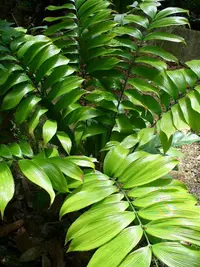
Its leaves are unusually narrow and deeply divided for a Zamia species, giving the crown a finely textured, almost fernlike appearance compared with many other cycads.

Shade-tolerant cycad

Unlike some cycad relatives that prefer high light, this plant often grows under forest canopies in filtered shade, showing adaptation to low-light understory conditions in humid tropical forests.

FAQs about Zamia neurophyllidia

This cycad grows slowly, typically adding only a few new leaf flushes each year and enlarging its trunk gradually. Growth rate increases slightly with consistent warmth, stable moisture, and a nutrient-rich but very well-drained medium.

Grow Healthy Plants with Botan Care

Keep your plants happy and healthy with plant identification, disease detection, and easy care guidance.

Botan plant care app — identify plants on mobile

Explore More Plants