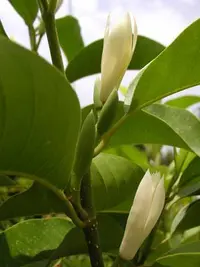
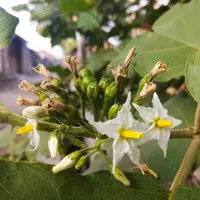
cohoba tree Care (Anadenanthera peregrina)

cohoba tree

About cohoba tree

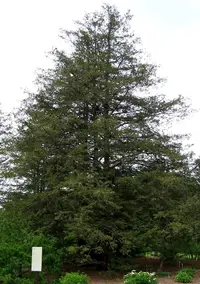
The cohoba tree, Anadenanthera peregrina, is a fast-growing, deciduous tropical tree known for its fine, feathery foliage and rounded canopy. In suitable climates it can reach substantial height and develops a straight trunk with smooth, grayish bark.

This species is native to the Caribbean and northern South America, where it grows in warm, seasonally dry forests and savannas. Its tough nature, deep root system, and preference for sun make it resilient but not ideal for small gardens.

For those who want to care for cohoba tree at home, it generally prefers full light, well-drained soil, and moderate moisture without prolonged waterlogging.

Main Plant Requirements

Care Difficulty

Moderate Care

Light Preference

Full Sun

Water Requirements

Moderate Water

Temperature Preference

Tropical / Frost Sensitive

Hardiness Zone

10–12

Soil Texture

Sandy, Loamy, Organic-rich

Soil pH

Acidic (5.5–6.5), Slightly acidic (6.5–7.0)

Soil Drainage

Well-drained

Fertilization

Minimal (feed rarely)

Get Personalized Care Plan

Scan your plant to receive care tips personalized for your specific plant

Available on iOS and Android

How to Care for the cohoba tree

This South American tree prefers abundant sun but adapts to bright, open sites with slight shade.

  • Provide 6–8 hours of direct sun daily; morning and midday sun are ideal, with light afternoon shade in very hot climates.
  • Young cohoba tree plants benefit from filtered or dappled light during the first 1–2 years to reduce leaf scorch and transplant stress.
  • In partial shade (3–4 hours direct sun), growth slows and branches may stretch; move or prune competitors if canopies cast dense shade.

This species prefers evenly moist, deep soil during establishment, then becomes moderately drought tolerant.

  • For the first 2–3 growing seasons, water when the top 3–5 cm of soil are dry, soaking the root zone 20–30 cm deep each time.
  • Reduce watering in cool or rainy seasons, and increase slightly during hot, dry spells if leaves start to lose gloss or curl at the edges.
  • Ensure freely draining soil; persistent puddling, sour smell, or yellowing, limp leaves suggest overwatering, while crisp, browning leaf tips indicate underwatering.

This subtropical tree thrives in warm, frost-free climates with only brief exposure to cooler temperatures.

  • Optimal growth occurs around 70–90°F (21–32°C), supporting steady shoot and root development in Anadenanthera peregrina.
  • The tree tolerates short drops to about 35–40°F (2–4°C) but young plants can suffer tissue damage; avoid planting in known frost pockets.
  • Mature trees handle dry heat up to about 100°F (38°C) if soil moisture is adequate, but foliage can scorch during extreme hot, windy periods.

This species prefers moderately humid air but usually adapts to typical indoor levels if not extremely dry.

  • Aim for 40–60% humidity for stable growth, especially in heated or air-conditioned rooms.
  • Dry air can cause leaf edge browning and slower growth on young cohoba tree plants.
  • Increase humidity locally with a nearby water tray, grouped plants, or brief daily misting without leaving foliage constantly wet.

Anadenanthera peregrina needs fast-draining, moderately fertile soil that does not stay waterlogged.

  • Use a sandy or loamy mix with 30–40% coarse material such as perlite, pumice, or gritty sand for drainage and aeration.
  • Include some compost or well-rotted organic matter to supply nutrients while keeping the texture loose, not sticky or compacted.
  • Target a slightly acidic to neutral pH around 6.0–7.0; avoid strongly alkaline mixes that can limit nutrient uptake.
  • Avoid heavy clay, peat-only, or poorly drained substrates, which promote root rot and stunted growth.

This species can be grown in containers for its early years, provided the pot supports its fast, deep-rooting growth.

  • Select a deep, stable container to accommodate a strong taproot and prevent tipping in wind or on balconies.
  • Choose a heavier material such as ceramic or thick plastic to balance the tall top growth and reduce sudden moisture swings.
  • Ensure large, unobstructed drainage holes so excess water exits quickly and the lower root zone does not stay saturated.

This nitrogen-fixing tree needs only light feeding in cultivation, so focus on supporting soil health for the cohoba tree rather than heavy fertilizer use.

  • Use a mild, balanced NPK fertilizer (such as 10-10-10) at half strength once every 4–6 weeks during the warm growing season if growth appears weak.
  • Apply a thin layer of well-rotted compost or leaf mold over the root zone in spring to improve soil structure and slow nutrient release.
  • Avoid fertilizing in late fall and winter when growth slows or stops, especially in cooler climates or indoor conditions.
  • Always water before and after applying fertilizer to reduce root burn risk and to help nutrients move into the root zone.

Pruning Anadenanthera peregrina is mainly done to manage structure and remove problem wood rather than for heavy canopy control.

  • Carry out pruning in late winter or very early spring before active growth, avoiding periods of intense heat or drought.
  • Remove dead, diseased, or damaged branches first, then thin crowded interior shoots to improve light penetration and airflow.
  • Use clean, sharp bypass pruners or a pruning saw, making cuts just outside the branch collar to promote proper wound closure.
  • Limit heading cuts; instead, use selective thinning to maintain a balanced, natural crown and strong framework branches.

This species is usually grown outdoors, so care focuses on timely transplanting of young trees rather than frequent repotting.

  • Transplant seedlings from pots when roots begin circling the container or growth becomes stunted despite adequate light and water.
  • Plan field planting for late spring after frost risk has passed, allowing the root system a full warm season to establish.
  • Handle the root ball gently, keeping as much soil attached as possible, and set the tree at the same depth as in the container.
  • Water thoroughly after planting, then maintain consistent moisture for the first 4–6 weeks to reduce transplant shock and support new root growth.

Propagation of Anadenanthera peregrina is most commonly done from seed rather than vegetative methods.

  • Collect mature, dry seeds and sow them in late spring when temperatures are consistently warm.
  • Scarify seeds lightly by nicking the seed coat or soaking in warm water for 12–24 hours to improve germination.
  • Sow seeds in a free-draining mix, keep at 70–80°F, and maintain even moisture without waterlogging.
  • Provide strong light for seedlings and move them into individual containers once true leaves develop and roots begin to fill the starter cell.

This tropical to subtropical tree is sensitive to freezing temperatures and needs protection in regions with cold winters.

  • In USDA zones colder than 10, grow young plants in large containers and move them indoors or into a heated greenhouse before temperatures drop below 40°F.
  • For in-ground trees in marginal climates, mulch the root zone with 5–8 cm of organic material to buffer soil temperature fluctuations.
  • Position indoor overwintered plants in the brightest possible spot, reduce watering, and avoid fertilizing until spring growth resumes.

Care Tips

Deep root training

During the first 2–3 years, water less often but more deeply to encourage a strong taproot, which helps the tree handle wind and short dry spells once established.

Progressive pot sizing

If container-growing, step up 1–2 pot sizes at a time rather than moving directly to a very large container, which reduces the risk of waterlogged soil pockets and root rot.

Wind-hardening seedlings

From seedling stage, expose young plants gradually to breezier outdoor conditions or use a gentle fan indoors for 1–2 hours daily to promote sturdier stems and better branching.

Calcium-rich structure

In neutral to slightly alkaline soils, incorporating crushed, rinsed horticultural lime or using a calcareous gravel top-dress can support stronger wood development and more resilient branches.

Cold-season protection

In marginal climates, wrap the lower trunk with breathable frost cloth and use a 5–8 cm organic mulch ring to protect young roots and bark from cold snaps when caring for cohoba tree.

Common Pests and Diseases

Scale insects

This pest attaches firmly to young stems and leaf veins, sucking sap and causing yellowing, leaf drop, and slowed growth in cohoba trees.

Solution

Prune and destroy heavily infested twigs, then wipe accessible stems and leaves with a cloth dipped in dilute insecticidal soap or horticultural oil, repeating every 7–10 days until new growth appears clean. For larger outdoor trees, encourage natural predators such as lady beetles and parasitic wasps and avoid excessive nitrogen fertilization that favors scale outbreaks.

Mirid leaf bugs

These insects feed on tender foliage and new shoots, leaving small necrotic spots, distorted leaves, and occasional dieback of young tips.

Solution

Remove and discard heavily damaged shoot tips to reduce local populations, then monitor flushes of new growth closely. If damage continues, use a targeted contact spray such as insecticidal soap applied in the early morning, focusing on young leaves and shoots where the bugs congregate.

Caterpillar defoliation

This pest group includes various moth and butterfly larvae that chew leaf margins and may skeletonize leaflets when populations are high.

Solution

Inspect foliage regularly and hand-pick caterpillars from reachable branches, especially on young trees. For recurring or heavy attacks, apply Bacillus thuringiensis (Bt) to the foliage according to label directions, targeting small, actively feeding larvae while avoiding unnecessary treatments when natural predators are present.

Leaf spot

This disease causes brown or dark irregular spots on leaflets, sometimes with yellow halos, which can merge and lead to premature leaf drop in humid conditions.

Solution

Collect and dispose of fallen leaves to reduce the source of infection and ensure good spacing and airflow around the tree canopy. Avoid wetting foliage when watering; if outbreaks are persistent in high-humidity areas, a copper-based fungicide applied at the start of the rainy season can help protect new leaves, following label directions closely.

Interesting Facts

Nitrogen-fixing canopy tree

This species forms symbioses with root bacteria that fix atmospheric nitrogen, allowing it to enrich poor tropical soils while growing into a tall, broad-canopied tree in dry forest and savanna margins.

Explosive pod seed dispersal

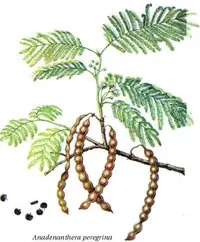
Its woody pods twist and split open as they dry, sometimes ejecting the flattened seeds several meters away, an efficient mechanical dispersal strategy in seasonal environments.

Specialist seed herbivores

In its native range, larvae of certain moths and other insects specialize on its seeds, creating a close ecological relationship that strongly influences natural regeneration patterns.

Botan icon

Did you know?

Archaeological finds in the Caribbean and northern South America show its seeds and associated snuffing paraphernalia in pre-Columbian ritual contexts, indicating that Indigenous cultures transported and cultivated this tree far beyond its original distribution thousands of years ago.

FAQs about cohoba tree

Yes, this species is usually propagated from fresh seed. Scarify or lightly nick the hard seed coat, then soak 12–24 hours. Sow in a warm, bright spot; germination often occurs within 2–6 weeks under stable moisture.

Grow Healthy Plants with Botan Care

Keep your plants happy and healthy with plant identification, disease detection, and easy care guidance.

Botan plant care app — identify plants on mobile

Explore More Plants