lobsterclaw Care (Heliconia caribaea)

lobsterclaw

About lobsterclaw

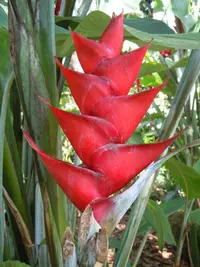
Lobsterclaw, Heliconia caribaea, is a tropical flowering plant known for its bold, upright clumps and large banana-like leaves. It is grown mainly for its bright, claw-shaped bracts that hold small true flowers. This species is native to the Caribbean and nearby tropical regions, where it grows in warm, humid, partly shaded habitats. In cultivation it is usually treated as an outdoor landscape plant in frost-free climates or a large container specimen under protection. It is considered moderately challenging, as it needs stable warmth, high humidity, and consistent moisture to thrive. Understanding how to care for lobsterclaw starts with providing sheltered bright light and rich, well-drained soil.

Main Plant Requirements

Care Difficulty

Moderate Care

Light Preference

Full Sun

Water Requirements

Keep Soil Moist

Temperature Preference

Tropical / Frost Sensitive

Hardiness Zone

10–12

Soil Texture

Loamy, Silty, Organic-rich

Soil pH

Acidic (5.5–6.5), Slightly acidic (6.5–7.0)

Soil Drainage

Moist but well-drained

Fertilization

Moderate (every 2–4 weeks)

Get Personalized Care Plan

Scan your plant to receive care tips personalized for your specific plant

Available on iOS and Android

How to Care for the lobsterclaw

Heliconia caribaea needs strong, stable light to support large leaves and flowering.

  • Provide 6–8 hours of bright light daily, ideally full morning sun with light afternoon shade, similar to lobsterclaw in its native tropical habitats.
  • Allow dappled or filtered light under taller plants or light tree canopies; dense shade leads to weak stems and poor flowering.
  • In hot summers, protect from harsh afternoon sun to prevent leaf scorch, especially during dry or windy conditions.

This species prefers evenly moist, never stagnant, soil to sustain its rapid growth.

  • Water when the top 3–5 cm of soil feels slightly dry, aiming for consistently damp but not saturated conditions around the root zone.
  • Use deep watering so moisture reaches 15–20 cm, then let excess drain; poorly drained or compacted soil increases risk of root rot and yellowing leaves.
  • In cooler months reduce frequency as growth slows, watching for drooping or crisp edges from underwatering and soft, yellow foliage from excess moisture.

Stable, warm temperatures are essential for strong growth and flowering.

  • Aim for 70–85°F (21–29°C) during the growing season, which supports vigorous foliage and reliable bloom production.
  • Protect the plant when temperatures drop near 50°F (10°C); growth slows below this, and prolonged exposure below 45°F (7°C) can cause leaf damage.
  • Heliconia caribaea does not tolerate frost; in regions above 95°F (35°C), provide extra shade and soil moisture to prevent heat stress and scorch.

This species needs consistently high humidity to keep foliage lush and reduce stress.

  • Aim for 60–80% humidity, especially in heated or air‑conditioned homes where air is drier.
  • In dry air, lobsterclaw shows brown, crispy leaf edges and rolled or drooping leaves, even when soil is moist.
  • Increase humidity with grouped plants, a wide pebble tray under the pot, or a room humidifier rather than frequent light misting.

Heliconia caribaea performs best in deep, moist, well‑aerated soil that never stays waterlogged.

  • Use a rich loamy mix made from 2 parts compost or peat‑free potting mix, 1 part coarse sand, and 1 part perlite or fine bark for structure.
  • Aim for slightly acidic to neutral pH around 6.0–7.0 to support nutrient availability and healthy root growth.
  • Ensure rapid drainage by avoiding heavy clay and by raising planting areas or using mounded beds in wetter climates.
  • Incorporate chunky materials like pine bark or coarse perlite to improve aeration and prevent compaction under frequent watering.

This species can be grown in large containers if the pot is chosen to support its tall, heavy growth.

  • Select a wide, deep container to allow spreading rhizomes and to reduce tipping from tall flower stalks.
  • Choose a heavy, stable pot material such as thick ceramic to counterbalance the plant’s top weight outdoors.
  • Elevate the container on feet or bricks so drainage holes stay clear and excess water exits quickly after heavy watering or rain.

Heliconia caribaea is a heavy feeder that responds well to consistent, moderate nutrition during warm months.

  • Use a balanced slow-release fertilizer (around 10-10-10 or 14-14-14) or well-aged compost at the start of the growing season.
  • Supplement with a diluted liquid balanced NPK at 1/2 strength every 4–6 weeks while actively growing.
  • Reduce feeding to 1 light application or stop entirely during cooler, low-growth winter periods.
  • For healthy lobsterclaw growth, water before and after feeding to avoid root burn and improve nutrient uptake.

Pruning Heliconia caribaea maintains tidy clumps and supports strong flowering shoots.

  • Cut spent flower stalks and fully yellowed leaves at the base throughout the warm season using clean, sharp pruners.
  • Remove dead, damaged, or crossing canes to open the clump, improving light penetration and air movement.
  • In late winter or early spring, thin the oldest, woody stems to encourage vigorous new growth and future blooms.
  • Disinfect tools between plants with alcohol or a bleach solution to reduce the spread of diseases.

Container or garden-grown heliconia benefits from occasional division and transplanting to manage its spreading rhizomes.

  • Look for crowded clumps, roots circling the pot, or slowed growth as signs the plant needs more space.
  • Plan repotting or transplanting in late spring or early summer when soil is warm and growth is active.
  • For containers, step up 1 pot size every 2–3 years, using a rich, well-draining mix and firming soil gently around rhizomes.
  • Reduce root stress by watering thoroughly before moving, handling rhizomes carefully, then shading and keeping soil evenly moist for 1–2 weeks.

Heliconia caribaea is most reliably propagated by division of rhizomes rather than from seed.

  • Divide mature clumps in late spring or early summer when new shoots are emerging and temperatures are warm.
  • Lift the clump and cut rhizomes into sections, each with at least 1–2 healthy shoots and a good root portion.
  • Plant divisions in loose, organic, well-draining soil, setting rhizomes just below the surface and firming gently.
  • Maintain high humidity, bright filtered light, and consistently moist but not waterlogged soil until strong new growth appears.

This tropical species has low frost tolerance and needs protection in regions with cool or freezing winters.

  • Avoid exposure below about 50°F; foliage and rhizomes are damaged by frost and prolonged cold.
  • In mild climates, apply a 5–10 cm mulch over the root zone to insulate rhizomes and conserve soil warmth.
  • Where freezing occurs, cut back damaged stems after cold spells and move container plants indoors to bright, warm locations.

Care Tips

Rhizome Division

Lift and divide congested clumps every 3–4 years, separating healthy rhizomes with at least 2–3 strong shoots, then replant promptly to maintain vigor and flower production.

Wind And Stem Support

In exposed sites, install sturdy stakes or a discreet wire frame early in the season and loosely tie taller stems to prevent snapping or leaning under wind or heavy inflorescences.

Mulch For Root Comfort

Apply a 5–8 cm layer of coarse organic mulch around, but not touching, the stems to stabilize soil moisture, protect surface rhizomes, and keep soil temperatures more even.

Cold Season Protection

In marginal climates, cut back damaged foliage after the first chill, mulch heavily over the rhizome zone, and, if in containers, move pots to a sheltered space to help the plant resprout strongly in warm weather.

Planned Clump Expansion

When growing lobsterclaw for a landscape effect, leave 30–60 cm of open space around young clumps so new shoots can fill in, forming a dense stand without overcrowding nearby plants.

Common Pests and Diseases

banana weevil borer

This pest bores into the rhizomes and lower stems, causing wilting, stunting, and gradual collapse of shoots. Symptoms include yellowing foliage, weak growth, and tunnels filled with frass in the rhizome when cut open.

Solution

Remove and destroy severely infested stems and rhizomes, and avoid replanting from suspect stock. Use clean, disease-free planting material, trap adults with cut pseudostem or rhizome pieces that are later destroyed, and in outdoor plantings keep mulch and plant debris away from the base to reduce shelter sites.

heliconia rust

This disease causes yellow to orange powdery pustules on the undersides of leaves, with yellow spots and premature leaf drop. Symptoms include progressive loss of foliage quality, especially under warm, humid, low‑airflow conditions.

Solution

Remove and discard affected leaves as soon as rust spots appear and avoid overhead watering that keeps foliage wet. Improve spacing and air circulation around plants, keep leaves dry when possible, and in persistent cases use a labeled copper or systemic fungicide applied according to local regulations and label directions.

Heliconia leaf spot

This disease produces brown, often water-soaked spots with yellow halos on leaves that can merge into larger dead patches. Symptoms include tattered, blighted foliage and decline in ornamental quality, especially after periods of heavy rain or overhead irrigation.

Solution

Cut off and discard heavily spotted leaves, sterilizing pruning tools between cuts, and reduce leaf wetness by watering at the soil level in the morning. Improve drainage and airflow, avoid crowding plants, and if the problem recurs, apply a broad-spectrum foliar fungicide labeled for ornamental leaf spots, following label instructions.

mealybugs

These insects feed on plant sap and cluster in leaf sheaths, bracts, and along stems, causing distorted growth and sticky honeydew that leads to sooty mold. This pest is especially problematic on potted specimens and in sheltered, warm sites.

Solution

Physically remove colonies with a cotton swab dipped in isopropyl alcohol and wash foliage with a firm spray of water, taking care not to damage bracts. For persistent infestations, apply horticultural oil or insecticidal soap thoroughly to all plant surfaces at 7–10 day intervals, and inspect any new Heliconia caribaea plant care additions before bringing them near existing plants.

Heliconia bud and bract borer

This pest is the larval stage of certain moths that tunnel into developing inflorescences, causing deformed bracts, browning inside the flower head, and premature bract drop. Symptoms include holes, frass, and necrotic tissue hidden within the bract structures.

Solution

Inspect inflorescences frequently and remove and destroy any affected bracts that show internal tunneling or frass. Reduce attraction to moths by keeping surrounding vegetation trimmed, removing spent inflorescences promptly, and where allowed, use pheromone or light traps and apply targeted biological insecticides such as Bacillus thuringiensis to young bracts before larvae enter.

Interesting Facts

Rainforest canopy specialist

This species naturally occupies bright gaps and edges in Caribbean montane rainforests, where its tall, upright clumps can reach the lower canopy layer and intercept high light that many other understory heliconias cannot tolerate.

Bird‑crafted hybrid origin

Many natural forms referred to as Heliconia caribaea in cultivation likely arose where ancestral heliconias overlapped in the Lesser Antilles, with hummingbirds transferring pollen between close relatives and stabilizing distinct, locally adapted lineages.

Hummingbird‑matched flowers

Its large red or yellow bracts with concealed true flowers are shaped and positioned to fit Caribbean hummingbirds, which act as primary pollinators while searching inside the bracts for dilute nectar over several days.

Botan icon

Did you know?

In parts of its native range, this species forms dense stands that help stabilize steep, wet slopes, with its fibrous, mat‑forming rhizomes and overlapping leaf bases slowing surface runoff and reducing soil erosion in high‑rainfall events.

FAQs about lobsterclaw

Lack of flowering usually comes from insufficient light, cool temperatures, or low nutrients. Ensure consistently warm conditions, rich organic soil, and regular balanced fertilizing. Crowded clumps also bloom poorly; divide and replant older rhizomes to restore vigor.

Grow Healthy Plants with Botan Care

Keep your plants happy and healthy with plant identification, disease detection, and easy care guidance.

Botan plant care app — identify plants on mobile

Explore More Plants