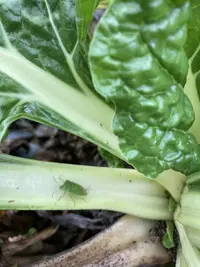
Sturdy staking system
Install strong stakes or a wire cage early in the season, then tie the stems loosely with soft ties to prevent wind damage and keep heavy flower heads off the ground.

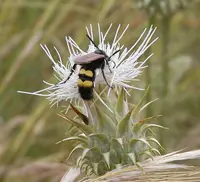
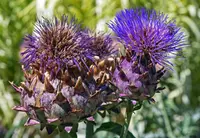
Cynara baetica is a perennial thistle in the Asteraceae family, related to artichokes and cardoons. It forms a clumping rosette of deeply divided, spiny leaves. Taller flowering stems rise above the foliage, carrying purple thistle-like flower heads that attract pollinators. The plant has a robust, architectural look rather than a delicate appearance.
This species is native to the western Mediterranean region, where it grows in dry, open habitats and poor, stony soils. It suits experienced gardeners who can handle its spines and give it space. Those learning how to care for Cynara baetica should note its preference for full sun, low to moderate moisture, and well-drained, slightly alkaline soil.

Care Difficulty
Moderate Care

Light Preference
Full Sun

Water Requirements
Moderate Water

Temperature Preference
Warm Climate

Hardiness Zone
8–10

Soil Texture
Sandy, Loamy, Rocky

Soil pH
Slightly acidic (6.5–7.0), Slightly alkaline (7.0–7.5)

Soil Drainage
Well-drained

Fertilization
Minimal (feed rarely)
Scan your plant to receive care tips personalized for your specific plant
Available on iOS and Android
This Mediterranean thistle thrives in strong light and performs best in open, sunny sites.
This species prefers deep but infrequent watering once established, with soil allowed to dry between soakings.
This plant is adapted to mild, Mediterranean-type climates with cool winters and warm, dry summers.
This Mediterranean species copes well with relatively dry air and does not need special humidity control.
This species prefers deep, loose, well-drained mineral soil that never stays waterlogged.
This species can be grown in large containers outdoors if root depth and drainage are carefully managed.
This Mediterranean perennial benefits from modest, well-timed feeding rather than heavy fertilization.
Pruning is useful mainly to maintain vigor and remove spent or unhealthy growth on this thistle-like perennial.
This species is usually grown in open ground, with transplanting done carefully due to its strong taproot.
Propagation is typically done from seed, with division possible on well-established clumps in suitable climates.
This Mediterranean perennial prefers mild winters but can tolerate light frost when established in well-drained soil.

Plant Health Check
Not sure what's wrong with your plant? Check your plant's health inside the app.
Cynara baetica is one of the wild thistle-like relatives of the cultivated globe artichoke, forming part of a Mediterranean species complex that has helped botanists trace the domestication history of edible artichokes and cardoons.
This species is native to the southwestern Iberian Peninsula, especially southern Spain and parts of Portugal, where it is associated with dry, open habitats on rocky or calcareous soils rather than moist, fertile ground.
Field studies have shown that Cynara baetica displays notable variation in leaf dissection and spininess between populations, which has contributed to ongoing taxonomic discussion about infraspecific ranks such as subspecies and varieties.
Lack of flowering usually comes from insufficient light, young plant age, or nutrient imbalance, especially excess nitrogen. Ensure full sun, avoid heavy feeding with high-nitrogen fertilizers, and allow at least 2–3 seasons to reach flowering maturity.
Keep your plants happy and healthy with plant identification, disease detection, and easy care guidance.