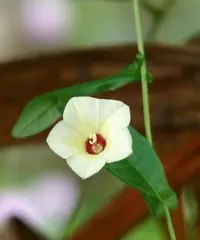
African Hedgeparsley Care (Torilis africana)

Also known as: Red Hedge-parsley, Spreading Hedge-parsley
African Hedgeparsley

About African Hedgeparsley

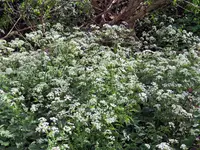
African hedgeparsley (Torilis africana) is a herbaceous annual in the carrot family, typically growing with slender, branching stems and fine, parsley-like foliage. It produces small white flower clusters followed by bristly, hooked fruits that cling to fur and clothing, helping the plant spread. Native to parts of Africa and the Mediterranean region, it often appears in disturbed sites, field margins, and open, sunny places. This species usually grows easily where conditions suit it, as it is adaptable and self-seeding, but it can become weedy and hard to control. In general, it prefers full sun, moderately moist, well-drained soil, and low to moderate fertility, which can guide how to care for African Hedgeparsley in managed spaces.

Main Plant Requirements

Care Difficulty

Moderate Care

Light Preference

Full Sun

Water Requirements

Moderate Water

Temperature Preference

Warm Climate

Hardiness Zone

7–10

Soil Texture

Sandy, Loamy, Rocky

Soil pH

Slightly acidic (6.5–7.0), Neutral (7.0)

Soil Drainage

Well-drained

Fertilization

Minimal (feed rarely)

Get Personalized Care Plan

Scan your plant to receive care tips personalized for your specific plant

Available on iOS and Android

How to Care for the African Hedgeparsley

This species prefers open, bright conditions similar to sunny meadows and field margins.

  • Provide 6–8 hours of direct sun daily, ideally with morning sun and light afternoon shade in hotter regions to reduce leaf scorch risk for African Hedgeparsley.
  • Plant in an open site; it tolerates light or dappled shade for part of the day but will grow taller and sparser with fewer flower umbels in low light.
  • In cooler seasons or cloudy climates, full sun all day is suitable, while in summer heat waves temporary shade cloth during 12–4 pm prevents stress and wilting.

Torilis africana prefers moderately moist, well-drained soil and does not tolerate prolonged saturation.

  • Water only when the top 3–5 cm of soil feels dry, using a deep soak that moistens the root zone, then allow excess water to drain away fully.
  • In spring and early summer increase watering frequency during active growth and flowering, then reduce in late summer once seed heads form and foliage begins to decline.
  • Watch for yellowing, soft stems or a sour smell as signs of overwatering, and for dull, drooping foliage and very dry, cracked soil as signs of underwatering.

This annual umbellifer grows best in mild to warm temperate conditions without prolonged extremes.

  • Optimal growth occurs around 60–77°F (16–25°C), which supports steady leaf and stem development and reliable flowering.
  • Plants tolerate brief drops to about 28–30°F (-2–-1°C), but hard frosts below this can kill foliage and prevent flowering, so sow after the last severe frost in cold regions.
  • Heat up to 86°F (30°C) is usually tolerated if soil moisture is maintained; during hot, dry spells, mulching and avoiding heat-reflecting surfaces help limit stress.

This species tolerates a wide humidity range and rarely needs special humidity management in typical home or outdoor conditions.

  • Aim for 30–60% ambient humidity, which matches most homes and many mild outdoor climates.
  • Dry indoor air is usually acceptable if soil moisture is consistent and the plant is not exposed to strong heating drafts.
  • Humidity stress appears as crisp leaf edges and slow growth; increase humidity by grouping plants or placing a water tray nearby without waterlogging the soil.

Torilis africana prefers moderately fertile, loose soil that drains freely but does not dry out immediately.

  • Use a mix based on loamy or sandy soil, with roughly 60–70% garden soil or peat-free potting mix and 30–40% coarse sand or fine grit to improve drainage.
  • Keep pH slightly acidic to neutral, roughly 6.0–7.5, since strongly acidic or alkaline conditions can restrict nutrient uptake and stunt growth.
  • Incorporate a small amount of well-rotted compost for organic matter, but avoid heavy, clay-rich or compacted substrates that stay wet for long periods.
  • Break up any crusted or compacted surface and mix in coarse material to maintain aeration around the fine roots and prevent waterlogging.

This species can be grown in containers if the pot allows its taproot and branching roots enough depth and drainage.

  • Choose a pot at least 25–30 cm deep so the taproot can extend downward without curling tightly at the base.
  • Select a heavier container material, such as thick terracotta or ceramic, to reduce tipping as the airy foliage and flower stems elongate.
  • Elevate the pot slightly on feet or bricks so drainage holes stay clear and excess water can escape quickly after rain or watering.

Torilis africana is a hardy wild species that usually needs minimal feeding in average garden soil.

  • In poor or very sandy soil, apply a light top-dressing of compost in early spring to support growth.
  • If needed, use a balanced NPK fertilizer at half strength once in mid spring during active growth.
  • Avoid summer overfeeding, which encourages weak, lush stems and may reduce flowering.
  • Do not feed during winter or dormancy; allow African Hedgeparsley to rest without extra nutrients.

Torilis africana benefits from light, well-timed pruning to control spread and tidy growth.

  • Cut back spent flowering stems in late summer to reduce self-seeding and maintain a neater shape.
  • Remove dead, damaged, or diseased stems whenever noticed, using clean, sharp scissors or hand pruners.
  • Thin crowded plants at ground level to improve air circulation and reduce fungal problems.
  • Avoid heavy cutting into green, actively growing foliage, which can stress this fine-stemmed umbellifer.

This species is usually grown outdoors and is better managed by transplanting seedlings than frequent repotting.

  • Transplant young Torilis africana plants in early spring or fall when temperatures are mild.
  • Shift seedlings once they have several true leaves, before roots become pot-bound or begin circling.
  • Water well before and after moving, and handle the root ball gently to limit disturbance.
  • Space plants into well-drained soil and shade them lightly for a few days to reduce transplant shock.

Torilis africana is most often propagated from seed, which allows straightforward renewal of outdoor plantings.

  • Collect seed heads when they turn brown and dry, then clean and store seeds in a cool, dry place.
  • Sow seeds in fall outdoors for natural cold stratification, or in early spring in trays kept cool and bright.
  • Use a free-draining seed mix, keep it just moist, and avoid waterlogging to prevent damping-off.
  • Thin seedlings once they emerge, then transplant carefully while young to their final position.

This hardy outdoor annual or short-lived perennial typically needs little dedicated winter care in mild to cool climates.

  • Established plants usually tolerate normal winter conditions where the species is adapted.
  • In colder areas, allow some seed to mature so new plants can arise naturally the following season.
  • Mulch lightly with compost or leaf mold in late fall to support soil life and protect surface roots.

Care Tips

Rotate sowing areas

Shift planting to a slightly different spot each year to reduce buildup of soil-borne pests and diseases that can stress plants and lower seed quality when growing African Hedgeparsley.

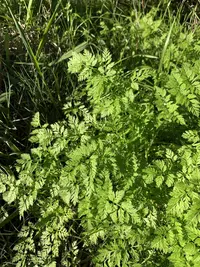
Use light staking

Install low, unobtrusive stakes or mesh along windy or exposed beds so the slender stems stay upright and flower heads develop evenly for better seed set.

Timed deadheading

Remove only the earliest spent umbels if abundant self-seeding is not desired, but leave some later-season heads to mature fully if seed collection for propagation is a goal.

Monitor self-seeding

Mark the areas where plants flower most heavily and thin volunteer seedlings early in spring so remaining plants have enough space for full root and canopy development.

Targeted pest checks

Inspect developing umbels and leaf bases weekly during warm, dry spells for aphids or mites and treat early with a directed water spray or suitable low-toxicity control before populations expand.

Common Pests and Diseases

Powdery mildew

This disease produces white, powdery patches on leaves, stems, and sometimes flower stalks, often in warm, dry conditions with poor air circulation. Symptoms include distorted growth and a dull, grayish cast on foliage.

Solution

Remove and destroy heavily infected plant parts to reduce spore spread, and avoid overhead watering so foliage dries quickly. Improve airflow by spacing plants, manage surrounding weeds, and if needed apply a sulfur or potassium bicarbonate fungicide according to label directions as part of broader Torilis africana care instructions.

Leaf spot

This disease causes small brown to dark purple spots on leaves that may enlarge, merge, and eventually cause premature leaf drop. Symptoms include yellow halos around spots and thinning foliage in dense stands.

Solution

Cut back and dispose of affected leaves and plant debris to remove sources of infection. Reduce leaf wetness by watering at soil level, keep stands less crowded, and if recurring, use a copper-based fungicide during wet periods, following label safety and timing instructions.

Aphids

These insects cluster on young stems, leaf undersides, and flower stalks, sucking sap and causing curling, yellowing, and stunted growth. This pest also excretes sticky honeydew that can lead to sooty mold and may transmit plant viruses.

Solution

Dislodge colonies with a strong stream of water and pinch off heavily infested shoot tips. Encourage or introduce natural predators such as lady beetles, and if populations remain high, use insecticidal soap or neem oil, ensuring thorough coverage of stems and leaf undersides.

Umbellifer leaf miners

These insects create winding, pale tunnels inside leaves as larvae feed between leaf surfaces, which can reduce photosynthesis and make foliage look blotched or serpentine. This pest is often more visible from the upper leaf surface where mines appear whitish or translucent.

Solution

Remove and destroy mined leaves promptly to break the life cycle before larvae pupate in the soil. Floating row covers can exclude egg-laying adults in outdoor plantings, and maintaining plant vigor with appropriate watering and nutrition helps the plant tolerate moderate damage.

Carrot rust fly larvae

These insects feed on roots and lower stems of umbellifer plants, causing wilting, reduced vigor, and sometimes reddening or yellowing of foliage. This pest may leave rusty-brown feeding tunnels on roots if the plant forms thicker taproots in certain conditions.

Solution

Use fine-mesh row covers to prevent adult flies from laying eggs near the base of plants and avoid planting near known carrot or parsley beds that harbor the pest. Rotate planting areas yearly, remove plant residues after flowering, and if infestation is severe, consider using targeted soil-applied biological controls containing entomopathogenic nematodes according to product instructions.

Interesting Facts

Hooked seed dispersal

The fruits bear small, hooked bristles that readily catch on animal fur and clothing, helping the seeds hitchhike to new sites and spread along paths, field margins, and disturbed ground.

Mediterranean origin range

This species is native to Mediterranean and adjacent regions of Europe, North Africa, and western Asia, and has spread from there into other temperate areas where it now behaves as a casual or locally established alien.

Umbel structure variation

Its compound umbels often show small, white, slightly uneven flowers with some peripheral flowers larger than the inner ones, a pattern that enhances visibility to pollinating insects such as small flies and solitary bees.

FAQs about African Hedgeparsley

Lack of flowers usually comes from too much shade, excess nitrogen, or drought stress. Ensure full sun, modestly fertile, well‑drained soil, and avoid heavy feeding. Deadhead spent umbels so the plant can redirect energy into new flower production.

Grow Healthy Plants with Botan Care

Keep your plants happy and healthy with plant identification, disease detection, and easy care guidance.

Botan plant care app — identify plants on mobile

Explore More Plants