Mediterranean False-brome Care (Brachypodium retusum)

Mediterranean False-brome

About Mediterranean False-brome

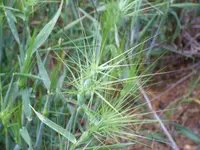
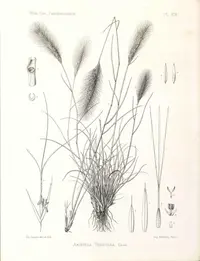
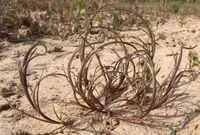
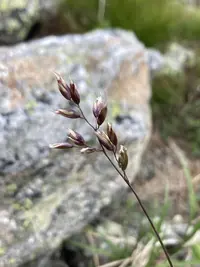
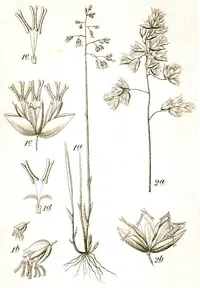
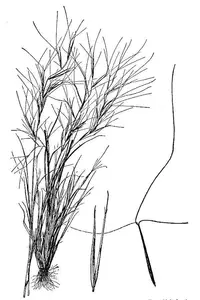
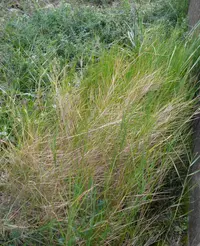
Mediterranean false-brome (Brachypodium retusum) is a low, clump-forming perennial grass native to dry, rocky areas around the Mediterranean region. It often grows in open scrub, light woodland, and poor, stony soils. The plant forms dense tufts of narrow leaves with upright flowering stems that give a fine, textured look rather than a lush lawn effect. It tolerates drought, shallow soil, and heat, which makes it relatively easy in tough, low-input sites. It suits gardeners who want to care for Mediterranean False-brome in sunny, well-drained spots where many other grasses may struggle or need more water.

Main Plant Requirements

Care Difficulty

Easy Care

Light Preference

Full Sun

Water Requirements

Low Water

Temperature Preference

Warm Climate

Hardiness Zone

7–10

Soil Texture

Sandy, Loamy, Rocky

Soil pH

Slightly acidic (6.5–7.0), Slightly alkaline (7.0–7.5)

Soil Drainage

Well-drained

Fertilization

Minimal (feed rarely)

Get Personalized Care Plan

Scan your plant to receive care tips personalized for your specific plant

Available on iOS and Android

How to Care for the Mediterranean False-brome

This grass prefers bright outdoor conditions that mimic a sunny Mediterranean slope.

  • Provide 6–8 hours of direct sun daily; morning sun with light afternoon shade is ideal in hot, dry regions.
  • It tolerates light or dappled shade for part of the day, but dense shade reduces vigor, thinning the clump over time.
  • In summer, monitor for leaf scorch in exposed sites; in winter, ensure at least 4–5 hours of sun to maintain compact growth.

Brachypodium retusum prefers dry-leaning conditions once established.

  • Allow the top 5–7 cm of soil to dry between waterings; in the ground, water only when foliage starts to lose some spring and soil feels dry several cm down.
  • During the first growing season, water deeply but infrequently to encourage roots to go down, always using sharply drained, gritty or sandy soil.
  • Watch for yellowing, floppy foliage or persistent soggy soil as signs of overwatering; crisp leaf tips and curling blades usually indicate it needs a thorough soak.

This species is adapted to warm, dry climates but shows good cold tolerance once established.

  • Active growth occurs best around 60–80°F (16–27°C), with strongest performance in mild spring and autumn conditions.
  • Plants typically tolerate down to about 15–20°F (-9 to -6°C); foliage may burn, but crowns often survive and resprout in spring.
  • In heat above 90°F (32°C), growth slows; combine full sun with well-drained soil and avoid reflected heat from walls to reduce stress.

This drought-adapted grass tolerates low humidity and usually does not need special humidity management.

Brachypodium retusum prefers lean, mineral soils with sharp drainage and moderate fertility.

  • Use sandy or gravelly loam with at most 20–30% organic matter to mimic its native dry habitats.
  • Ensure very rapid drainage by incorporating coarse sand or 2–5 mm grit throughout the profile, not just on top.
  • Aim for slightly acidic to neutral pH (6.0–7.5); avoid strongly acidic or saline conditions that restrict root function.
  • Do not use dense clay or peat-heavy mixes that hold water for long periods, as this encourages rot and weak, floppy growth.

This species can be grown in containers if drainage and stability are carefully managed.

  • Choose a wide, shallow container to accommodate its spreading root system and reduce the risk of the clump becoming root-bound at the center.
  • Use a heavy, mineral-based mix so the pot does not tip or shift as the tufted foliage leans or catches wind.
  • Select a pot material that loses moisture moderately, such as unglazed clay, to prevent waterlogging while still retaining some moisture between infrequent waterings.

This drought-tolerant grass needs only modest nutrition, so fertilizing Mediterranean False-brome is usually light and infrequent.

  • Use a balanced, slow-release fertilizer (around 10-10-10) or a thin layer of compost for established clumps in spring.
  • Feed once at the start of the main growing season if growth appears weak or soil is very poor.
  • Apply at half the label rate to avoid lush, floppy growth and increased thatch.
  • Avoid feeding in late fall or winter, when the plant is semi-dormant and nutrient uptake is low.

Pruning Brachypodium retusum is mainly done to maintain a tidy, healthy clump rather than to control size.

  • Cut back dead or winter-burned foliage in late winter or very early spring before strong new growth starts.
  • Remove damaged or crowded stems with clean hand pruners or sharp shears to improve air flow and reduce disease risk.
  • Lightly shear the whole clump if it becomes untidy, keeping cuts above new shoots at the base.
  • Dispose of pruned material to limit fungal spores and maintain a clean planting area.

This grass is usually grown in the ground, so care focuses more on transplanting than on frequent repotting.

  • Transplant in early to mid-spring or early fall, when temperatures are mild and soil moisture is reliable.
  • Lift and move clumps only when growth slows, centers thin out, or plants outgrow their space, usually every 3–5 years.
  • Dig a wide root ball, keep soil around the roots intact, and replant at the same depth in well-drained soil.
  • Water thoroughly after transplanting, then keep soil evenly moist for 2–3 weeks to reduce stress and support re-establishment.

Propagation of this species is straightforward and most often done by division rather than from seed for home gardeners.

  • Divide mature clumps in early spring or early fall, when temperatures are cool and plants are actively rooting.
  • Lift the clump and split it into sections with several shoots and a solid root mass using a spade or sharp knife.
  • Replant divisions immediately at the same depth, in well-drained soil, and water thoroughly to settle soil around roots.
  • For seed, sow fresh seed on the surface of a gritty, free-draining mix, keep lightly moist, and provide bright light and cool conditions.

This Mediterranean grass is generally cold hardy in mild to moderate climates and needs little winter care once established.

  • In regions with colder winters, apply a 5–7 cm mulch layer around the root zone, keeping it just clear of the crown.
  • Allow foliage to stay in place over winter to insulate the crown, then cut back dead leaves in late winter.
  • For container plants in zones with freezing temperatures, move pots to a sheltered, unheated but frost-free area.

Care Tips

Patchwork establishment

When planting in erosion-prone or sloping sites, set small groups of divisions 20–30 cm apart in a staggered pattern to help the clumps knit together into a stable, soil-holding mat within 1–2 seasons.

Controlled spread management

Edge beds once or twice a year with a spade or half-moon edger, slicing through and lifting any creeping rhizomes that move into paths or adjacent planting areas, then replant useful pieces where more coverage is desired.

Companion spacing strategy

Combine it with deeper-rooted shrubs or perennials and leave a 15–20 cm collar around young woody plants free of grass so the false-brome does not compete directly at the stem base.

Drought hardening routine

In the second year and beyond, gradually extend the interval between waterings during spring so roots are encouraged to grow deeper, which increases summer drought tolerance when growing Mediterranean False-brome.

Debris and thatch control

Once a year, rake lightly through the clumps with a fan rake or gloved hands to remove dead leaves and accumulated debris so new shoots receive light and air and the stand stays dense rather than patchy.

Common Pests and Diseases

Rust fungi

This disease causes small orange to brown pustules on leaves and stems, often leading to early leaf yellowing and reduced vigor. Symptoms include a dusty spore layer that rubs off on fingers or nearby foliage.

Solution

Remove and dispose of heavily infected foliage, avoid overhead watering, and increase spacing or airflow around clumps to keep leaves dry. In plantings with repeated rust issues, rotate out stressed patches, reduce nitrogen-rich fertilization, and, if necessary, use a labeled grass fungicide applied according to local guidelines for Brachypodium retusum care instructions.

Leaf spot

This disease produces small tan, brown, or purplish spots on leaves that may merge into larger dead areas under prolonged humidity. Symptoms include thinning foliage and premature leaf drop in dense stands.

Solution

Cut back and discard the worst affected blades to reduce inoculum, then water at soil level in the morning so leaves dry quickly. Improve air movement, reduce overcrowding, and in severe recurring cases use a grass-safe fungicide labeled for foliar leaf spots, following all directions carefully.

Aphids

These insects gather on young shoots and leaf bases, sucking sap and causing curling, pale growth, and sticky honeydew that can attract sooty mold. This pest is more common where plants grow lush and shaded or receive high nitrogen.

Solution

Spray infested areas with a strong stream of water to dislodge colonies, and repeat every few days as needed. For persistent populations, apply insecticidal soap or a light horticultural oil, making sure to coat the insects directly and avoiding treatments during high heat or full midday sun.

Grass leafhoppers

These insects feed by piercing and sucking sap from leaves, causing small white or pale speckles, tip yellowing, and sometimes a general decline in patch vigor. This pest can also transmit certain grass pathogens under favorable conditions.

Solution

Mow or cut back affected clumps to remove feeding sites, then dispose of the debris to reduce numbers. Encourage natural predators, avoid excessive nitrogen that promotes tender growth, and, if infestations remain high, consider a targeted insecticidal soap or pyrethrin product labeled for ornamental grasses, following timing and coverage instructions closely.

Nematode damage

This disease-like problem is caused by microscopic roundworms in the soil that feed on roots, leading to patchy thinning, poor growth, and uneven yellowing even when water and nutrients seem adequate. Symptoms include weak rooting and slow recovery after stress.

Solution

Remove and discard severely affected clumps and avoid moving soil or divisions from infested areas to new beds. Improve drainage, rotate planting areas, incorporate organic matter to support beneficial soil organisms, and avoid stressing plants with overwatering or heavy foot traffic to help remaining grass tolerate low nematode levels.

Interesting Facts

Fire-surviving grass tussocks

This Mediterranean perennial forms dense, low tussocks that are remarkably tolerant of recurrent wildfires, allowing it to resprout and quickly reoccupy burned slopes and open scrublands once fire has passed.

Soil erosion stabilizer

Its fibrous, spreading root system binds shallow, stony soils on sunny hillsides, so it is frequently cited in ecological restoration studies for stabilizing slopes and limiting erosion in degraded Mediterranean landscapes.

Indicator of dry habitats

Botanists often use this species as an indicator of dry, open, calcareous habitats, since it is especially frequent on sunny limestone and marl substrates where only drought-adapted grasses and shrubs can persist.

FAQs about Mediterranean False-brome

This grass can spread by seed and short rhizomes where conditions suit it, but invasiveness depends on region. In its Mediterranean range it is usually part of stable grasslands; always check local guidelines before planting extensively outdoors.

Grow Healthy Plants with Botan Care

Keep your plants happy and healthy with plant identification, disease detection, and easy care guidance.

Botan plant care app — identify plants on mobile

Explore More Plants