alpine sweetgrass Care (Anthoxanthum monticola)

alpine sweetgrass

About alpine sweetgrass

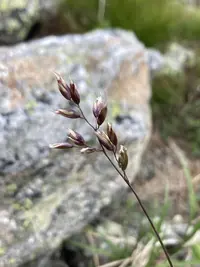
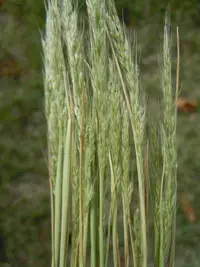
Alpine sweetgrass, Anthoxanthum monticola, is a cool-season perennial grass native to subalpine and arctic regions of North America and Eurasia. It forms low, tufted clumps with fine, narrow leaves and short flowering stems.

The plant is valued for its sweet, hay-like scent, which comes from natural aromatic compounds in the leaves. It typically grows in meadows, tundra, and open slopes with cool temperatures and consistent moisture.

This species prefers bright light, moist but well-drained soil, and relatively low nutrient levels. In cultivation, understanding how to care for alpine sweetgrass starts with replicating its cool, open, and evenly moist natural habitats.


Main Plant Requirements

Care Difficulty

Moderate Care

Light Preference

Partial Sun

Water Requirements

Moderate Water

Temperature Preference

Cold Hardy

Hardiness Zone

2–7

Soil Texture

Sandy, Loamy, Silty

Soil pH

Acidic (5.5–6.5), Slightly acidic (6.5–7.0)

Soil Drainage

Moist but well-drained

Fertilization

Minimal (feed rarely)

Get Personalized Care Plan

Scan your plant to receive care tips personalized for your specific plant

Available on iOS and Android

How to Care for the alpine sweetgrass

This cool-season grass prefers bright, open conditions similar to high mountain meadows.

  • Provide 4–6 hours of direct morning sun with light afternoon shade; full sun all day is acceptable in cool climates with consistent soil moisture.
  • Tolerates light to moderate partial shade (3–4 hours sun), but alpine sweetgrass may grow thinner and flower less with very limited light.
  • In hot summers, protect from harsh afternoon sun to reduce leaf scorching and drying; in winter, reduced light is acceptable while growth naturally slows.

This species prefers consistently moist but not saturated soil, especially during active growth.

  • In the growing season, allow only the top 2–3 cm of soil to dry between waterings; soil below should stay slightly damp, not soggy.
  • Choose freely draining, loamy soil so excess water moves through; pooling water or a sour smell indicates poor drainage and potential root rot.
  • In cooler months, when Anthoxanthum monticola grows more slowly, reduce watering and use leaf wilting or grey, crispy tips as signs of underwatering.

This grass is adapted to cool, alpine conditions and handles cold better than heat.

  • Optimal growth occurs around 50–68°F (10–20°C); it continues to grow slowly down to about 40°F (4–5°C).
  • Mature plants usually tolerate short dips to 14–23°F (-10 to -5°C) with snow cover, though newly planted clumps benefit from mulch in winter.
  • Heat above 77–82°F (25–28°C) can stress plants; provide extra moisture and some shade during hot spells to prevent leaf scorch and dormancy.

Humidity is rarely a limiting factor for alpine sweetgrass grown in typical home or outdoor conditions.

Anthoxanthum monticola prefers cool, moist, well‑drained mineral soils that do not stay waterlogged.

  • Use a sandy or sandy‑loam mix with 30–40% mineral grit (coarse sand or fine gravel) to mimic alpine conditions.
  • Incorporate a modest amount of compost or leaf mold, around 20–30%, to supply organic matter without making the mix heavy.
  • Keep pH slightly acidic to neutral, around 5.5–7.0, and avoid strongly alkaline or saline substrates.
  • Prevent compaction by avoiding high clay content and periodically loosening the top layer so roots receive adequate air.

This species can adapt to container growing if the pot mimics its cool, free‑draining native habitat.

  • Choose a wide, shallow container that allows surface‑spreading roots and tillers to expand rather than a very deep pot.
  • Use a heavy or stabilized pot if exposed to wind, as the fine foliage can act like a sail and tip light containers.
  • Raise the pot slightly on feet or blocks so drainage holes stay clear and runoff leaves the container area quickly.

This cool-season grass needs only modest feeding, as alpine sweetgrass is adapted to low-nutrient soils.

  • Use a light application of compost or a balanced NPK granular fertilizer in early spring as growth begins.
  • Apply slow-release fertilizer at 1/2 strength, worked lightly into the soil around the clump, avoiding direct contact with stems.
  • In average garden soil, one feeding per growing season is sufficient; skip extra fertilizer if growth appears healthy.
  • Do not feed in fall or winter, as the plant is entering dormancy and excess nutrients may weaken cold tolerance.

Anthoxanthum monticola benefits from simple, periodic cleanup rather than heavy structural pruning.

  • Cut back dead or winter-burned foliage in late winter or very early spring using clean hand shears.
  • Remove damaged or diseased leaves and any overly crowded, flopping stems to maintain air flow and a neat clump shape.
  • Deadhead spent flower stalks if self-seeding is not desired, trimming them close to the base.
  • Avoid cutting into the crown during the growing season; focus on removing only unsightly or nonfunctional material.

This grass is usually grown in the ground, so transplanting clumps is more common than repotting container plants.

  • Plan transplanting for early spring or early fall, when temperatures are mild and soil moisture is reliable.
  • Move clumps when growth slows, centers thin out, or roots form a tight mass circling a container or planting hole.
  • Lift the plant with a spade, keeping as much root ball intact as possible to reduce stress and transplant shock.
  • Replant at the same depth in well-drained soil, water thoroughly, then keep evenly moist until new growth is clearly established.

Anthoxanthum monticola is commonly propagated by division or seed under cool, moist conditions.

  • Divide mature clumps in early spring or early fall, cutting sections with a sharp spade so each piece has healthy roots and shoots.
  • Replant divisions immediately at the same depth, firm soil around roots, and water well to settle air pockets.
  • Sow fresh seed in fall or very early spring, outdoors or in trays kept cool and evenly moist for natural stratification.
  • Provide bright, indirect light and free-draining, fine-textured soil for seedlings, then transplant when they have several true leaves.

This cold-hardy grass generally needs minimal winter care in temperate climates.

  • Plants tolerate normal frost and snow, so in-ground clumps usually overwinter without special protection.
  • In colder or exposed sites, apply a light mulch layer around the root zone after the ground cools, avoiding smothering the crown.
  • For container-grown plants, move pots to a sheltered, unheated area and monitor moisture so the root ball does not dry out completely.

Care Tips

Gradual Site Acclimation

When moving plants from a nursery pot or greenhouse bench to an outdoor bed, harden them off over 7–10 days by first placing them in bright shade and then slowly increasing exposure to open conditions to reduce transplant shock and leaf scorch.

Cold Climate Mulching

In regions with freeze–thaw cycles, apply a light, airy mulch layer of fine bark or leaf mold around but not over the crowns in late fall to buffer soil temperature swings and prevent heaving of shallow roots.

Clump Rejuvenation

Every 3–4 years, lift and divide congested clumps in early spring, discarding the woody, exhausted center and replanting only the vigorous outer sections to maintain strong growth and dense foliage.

Seed Head Management

If self-seeding is not desired, cut back most of the flowering stems as they fade and leave only a few to ripen for seed collection, which helps control spread while retaining material for future sowing and caring for alpine sweetgrass in new areas.

Erosion Control Placement

On slopes or banks, plant in staggered rows on contour lines and space clumps closely so the fine root system knits the soil, reducing erosion while allowing the grass to form a stable, natural-looking colony.

Common Pests and Diseases

Snow mold

This disease causes bleached, matted patches in turf-like plantings after snow melt in cold, wet springs. Symptoms include water-soaked or grayish-white mycelium at the base of shoots and gradual thinning of the grass.

Solution

Rake and fluff affected clumps to improve air movement, remove heavy thatch, and avoid excessive nitrogen late in the season; in repeatedly affected sites, maintain good drainage and reduce prolonged snow cover when possible. Fungicides are rarely needed for Anthoxanthum monticola care and are usually reserved for high-value or research plantings with a history of severe outbreaks.

Leaf rust

This disease produces small yellow to orange pustules on leaves and stems, leading to premature leaf yellowing and reduced vigor in dense, moist stands. Symptoms include powdery spores that rub off on fingers or clothing.

Solution

Mow or trim and remove heavily infected foliage to reduce spore loads, then promote better airflow and lower humidity around the planting by thinning or spacing clumps. In persistent cases, rotate with non-host grasses and avoid overhead irrigation, using a targeted grass-safe fungicide only if cultural steps do not control the problem.

Smuts

This disease group replaces normal flower or seed tissues with dark, powdery spore masses, which can reduce seed set and spread rapidly in seed-production stands. Symptoms include distorted inflorescences and black dust-like spores that disperse easily in wind.

Solution

Rogue and destroy infected flowering stems before spores are widely released, and avoid saving seed from affected plants. For long-term management, use clean, tested seed, practice crop rotation, and maintain good fertility and drainage to support strong plant defenses while growing alpine sweetgrass.

Aphids

These insects cluster on soft stems and leaf bases, sucking sap and causing yellowing, curling, or stunted growth in stressed clumps. This pest also excretes sticky honeydew that can support sooty mold growth on nearby foliage.

Solution

Wash colonies off with a firm stream of water, focusing on the lower stems and leaf sheaths, and encourage natural predators such as lady beetles by minimizing broad-spectrum insecticides nearby. On persistent populations, use an insecticidal soap or light horticultural oil, applied thoroughly to infested areas during cool parts of the day.

Grasshoppers

These insects chew large, irregular holes in leaves and can defoliate exposed stands during outbreaks, especially in dry, open habitats. Symptoms include ragged leaf tips and missing sections along the blades.

Solution

Exclude grasshoppers from small plantings with fine mesh or row cover during peak feeding periods and reduce nearby tall weeds that act as nursery habitat. In larger areas, spot-treat field edges with targeted grasshopper baits or biological controls while monitoring populations so that treatment is limited to damaging levels only.

Interesting Facts

High-latitude specialist

This grass occurs naturally in subarctic and arctic-alpine regions across the Northern Hemisphere, including Greenland, northern Scandinavia, and high mountains of North America, where it endures long, cold winters and short growing seasons.

Cold hardiness adaptations

Its low, tufted growth form and narrow leaves help it resist wind abrasion, conserve heat near the soil surface, and photosynthesize efficiently at low temperatures typical of tundra and alpine environments.

Role in tundra communities

It is a common component of species-poor tundra and alpine meadows, where it stabilizes thin soils and contributes to early-season forage for grazing animals when few other grasses are active.

FAQs about alpine sweetgrass

The leaves are traditionally used in small amounts to scent teas, baskets, and ceremonial items, thanks to their sweet coumarin aroma. It is not a staple food and should be consumed only sparingly.

Grow Healthy Plants with Botan Care

Keep your plants happy and healthy with plant identification, disease detection, and easy care guidance.

Botan plant care app — identify plants on mobile

Explore More Plants