Tassle Three-awn Care (Aristida congesta)

Also known as: Spreading Prickle Grass
Tassle Three-awn

About Tassle Three-awn

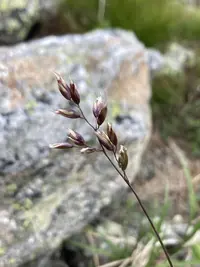
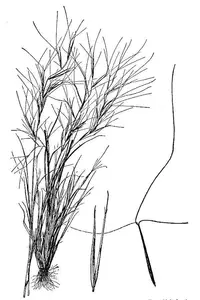
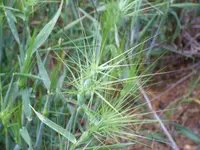
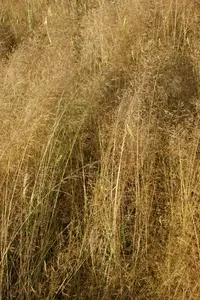
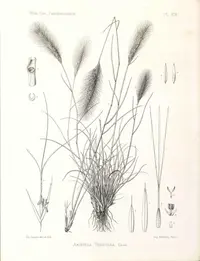
Tassle three-awn (Aristida congesta) is a perennial bunchgrass known for its fine, upright clumps and distinctive long, three-parted awns on each seed. It forms narrow tufts that move easily in the wind, giving a soft, airy look in naturalistic plantings.

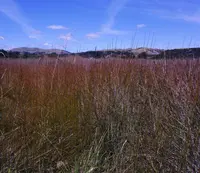
This species occurs in dry grasslands and open savannas in southern Africa, where it copes with heat, sun, and low fertility soils. Its drought tolerance and modest nutrient needs influence how to care for Tassle Three-awn, as it dislikes heavy, waterlogged ground and excessive watering.

In gardens, it suits xeriscapes and low-maintenance borders, provided it receives full sun and well-drained, lean soil with only occasional moisture.

Main Plant Requirements

Care Difficulty

Easy Care

Light Preference

Full Sun

Water Requirements

Low Water

Temperature Preference

Warm Climate

Hardiness Zone

8–11

Soil Texture

Sandy, Loamy, Rocky

Soil pH

Slightly acidic (6.5–7.0), Neutral (7.0)

Soil Drainage

Well-drained

Fertilization

Minimal (feed rarely)

Get Personalized Care Plan

Scan your plant to receive care tips personalized for your specific plant

Available on iOS and Android

How to Care for the Tassle Three-awn

This sun-loving African bunchgrass needs bright, open exposure to thrive outdoors.

  • Provide 6–10 hours of direct sun daily; full sun is ideal, with morning and midday light promoting dense growth in Tassle Three-awn.
  • Accepts light partial shade for 2–4 hours, but extended shade leads to weak, floppy stems and reduced seedhead production.
  • In hot regions, avoid intense, reflected afternoon sun off walls or pavement, which can scorch foliage; ensure plants are not suddenly shaded by growing shrubs or seasonal structures.

This drought-adapted grass prefers infrequent, deep watering in sharply drained soil.

  • Allow the top 5–8 cm of soil to dry completely before watering; in established ground plantings, rely mostly on rainfall and irrigate only after prolonged dry spells.
  • During the first growing season, water when foliage looks slightly dull and soil is dry at finger depth to help Aristida congesta root deeply.
  • Use sandy or gravelly soil that drains within 1–2 minutes; persistent surface dampness, algae, or a sour smell indicates overwatering and risks root rot.

This warm-season grass prefers heat but copes with a moderate range of outdoor temperatures.

  • Optimal growth occurs around 70–90°F (21–32°C), when warm soil and air encourage active tillering and seedhead production.
  • Mature plants typically tolerate brief drops near 20–25°F (-6 to -4°C) if soil is well drained, but repeated hard frosts can thin clumps.
  • Handles hot spells up to about 100–105°F (38–41°C) if established; in extreme heat and drought, growth slows and foliage may brown, then resume when conditions ease.

This dryland grass tolerates low indoor humidity and usually does not need special moisture control.

  • Aim for 30–50% humidity; it stays healthy in most heated or air-conditioned homes.
  • Leaves curling inward or browning at tips can indicate air that is too dry or combined drought stress.
  • For young Tassle Three-awn in very dry rooms, group pots together or place near (not on) a pebble tray to slightly raise local humidity.

Aristida congesta prefers lean, sharply drained, mineral soils that never stay waterlogged.

  • Use a sandy or gritty mix, such as 60–70% coarse sand or fine gravel with the rest standard potting mix, to mimic its native dry habitats.
  • Ensure very rapid drainage; water should run through in seconds and not leave the surface glossy or muddy.
  • A slightly acidic to neutral pH around 6.0–7.0 suits this grass; avoid strongly alkaline or saline substrates.
  • Do not add heavy clay, large amounts of peat, or dense compost layers, as these hold water and reduce aeration around the roots.

This species is suitable for container growing when the pot is set up to drain and dry quickly.

  • Choose a wide, shallow container to match its fibrous, spreading root system and reduce the risk of soggy lower layers.
  • Select unglazed terracotta rather than plastic if extra evaporation is needed in rainy or humid climates.
  • Secure the container or use a heavier pot base outdoors, as the fine foliage can act like a sail and tip light pots in strong wind.

This dryland grass needs minimal feeding, and overfertilizing can reduce the characteristic form of Tassle Three-awn.

  • If growth is very weak in poor soil, apply a light top-dressing of compost in spring rather than high-nitrogen fertilizer.
  • Use a low-dose balanced NPK granular or slow-release product at 1⁄4–1⁄2 strength, worked lightly into the soil surface.
  • Feed only once during the main growing season; avoid repeated applications that cause lush, floppy growth.
  • Do not fertilize in winter or dormancy, as the plant is not actively growing and excess nutrients can stress roots.

Aristida congesta needs only light, periodic pruning to maintain a tidy clump and remove dead growth.

  • Best time for pruning is late winter to early spring, before new shoots emerge.
  • Shear back the previous season’s dead foliage to a low tuft, leaving new green growth undisturbed.
  • Remove damaged, lodging, or crowded stems to maintain airflow and the natural fountain shape.
  • Use clean, sharp hand shears; cut above the crown to avoid injuring the growing points at soil level.

This bunchgrass is more often transplanted in the landscape than grown long term in containers.

  • Transplant or divide in early spring or early fall, when temperatures are mild and soil moisture is moderate.
  • Move plants when clumps become congested, growth declines, or roots circle a container and emerge from drainage holes.
  • Lift the clump with a spade, keeping as much root ball intact as possible to reduce shock.
  • Replant at the same depth in well-drained soil, water thoroughly once, then allow the surface to dry between subsequent waterings.

Aristida congesta is most commonly propagated by seed or by careful division of established clumps.

  • Sow seeds in late winter to early spring on the soil surface, as light helps trigger germination.
  • Use a very free-draining, sandy mix and keep it just barely moist at 65–75°F until seedlings appear.
  • For division, split healthy clumps in early spring, ensuring each piece has several growing points and roots.
  • Replant divisions promptly, water in well once, then allow the soil to dry slightly to discourage rot.

This grass is generally cold hardy in mild to moderate climates and needs little specific winter care.

  • In areas with freezing winters, allow foliage to stand through winter to shield the crown from temperature swings.
  • Apply a light, dry mulch around but not over the crown in late fall to buffer soil temperature.
  • Container-grown plants in very cold regions can be moved to a cold, bright, frost-free spot to prevent root damage.

Care Tips

Staggered clump spacing

Plant in small, irregular clusters with 20–30 cm gaps between clumps to mimic natural spacing, improve airflow, and reduce foliar disease pressure in humid or rainy regions.

Minimal disturbance regime

Once established, avoid frequent cultivating or raking around the base so the plant can form a stable root system and self-mulch with its own dead leaves, which helps conserve soil moisture and limits weed germination.

Timed seed collection

If seed is desired, mark the earliest flowering clumps and collect seed heads just as they turn straw-colored but before they shatter, then dry them in paper bags in a shaded, ventilated place for 7–10 days.

Rotational renewal patches

Every 3–4 years, lightly scarify or re-seed only small sections of an established stand at a time to maintain a mix of young and mature plants without leaving the entire area bare and erosion-prone.

Low-input weed control

Use a narrow hand hoe or serrated weeding knife to cut annual weeds at soil level during early growth, taking care not to pull deeply, which preserves the fine root system and supports long-term success when growing Tassle Three-awn.

Common Pests and Diseases

Leaf spot fungi

This disease causes small brown to tan lesions on older leaves, which may merge into larger patches in humid or overcrowded stands. Symptoms include premature drying of affected blades and a generally patchy appearance in the clump.

Solution

Remove and dispose of heavily spotted foliage and reduce thatch or dense buildup around the clump to improve air movement. Avoid overhead irrigation, water early in the day so foliage dries quickly, and if grown as an ornamental in a very wet climate, consider a labeled grass fungicide only if cultural steps do not reduce spread.

Rust

This disease appears as tiny orange to brown pustules on leaf surfaces, which can rub off as a dusty coating on fingers or clothing. Symptoms include gradual yellowing and loss of vigor in affected tufts, especially in crowded or poorly ventilated plantings.

Solution

Cut back and remove infected foliage, then dispose of it away from the planting area to reduce spores. Improve spacing and airflow, avoid prolonged leaf wetness, and if rust recurs severely in an ornamental setting, a targeted grass rust fungicide may be used according to label directions.

Grass webworm

This pest is the larval stage of small moths that feed on grass blades, leaving windowed or chewed sections and fine webbing low in the clump. Symptoms include thinning patches and uneven height where larvae have fed heavily.

Solution

Trim and remove infested foliage and debris to physically reduce caterpillar numbers and hiding places. Encourage natural predators such as birds, and if damage is high, use a selective biological control like Bacillus thuringiensis (Bt) applied in the evening when larvae are active.

Aphids

These insects cluster on tender stems and leaf bases, sucking sap and excreting sticky honeydew that can attract sooty mold. Symptoms include slight leaf curl, reduced vigor, and the presence of ants farming the aphids.

Solution

Spray affected areas with a firm stream of water to dislodge aphids, and remove heavily infested shoots if practical. For persistent infestations, apply insecticidal soap or a light horticultural oil, coating the insects directly and repeating as needed according to product directions.

Interesting Facts

Three-awn seed dispersal

Each spikelet bears three long awns that twist and bend with humidity changes, helping the seeds drill into the soil surface and anchor in exposed, compact ground.

Drought-adapted tufted form

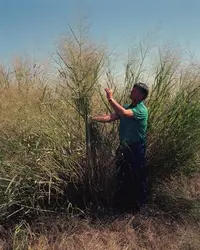
This species forms dense, tufted clumps with narrow leaves and a deep root system, allowing it to survive in semi-arid savanna and grassland where moisture is highly seasonal.

Role in rangeland dynamics

Aristida congesta often increases in overgrazed pastures because it is relatively unpalatable to livestock, so its abundance can indicate chronic grazing pressure and soil disturbance.

Botan icon

Did you know?

In southern African grasslands, Aristida congesta is considered an important pioneer grass on degraded or eroded soils, helping to stabilize bare patches and creating conditions that allow more palatable and diverse grass species to reestablish over time.

FAQs about Tassle Three-awn

This bunchgrass forms tight clumps and spreads mainly by seed, not by running roots. It can self-seed in open, dry sites but is usually not aggressive in managed gardens where spent seed heads are trimmed.

Grow Healthy Plants with Botan Care

Keep your plants happy and healthy with plant identification, disease detection, and easy care guidance.

Botan plant care app — identify plants on mobile

Explore More Plants