Creeping Lily Turf Care (Liriope spicata 'Silver Dragon')

Also known as: Lilyturf, Monkey Grass

About Creeping Lily Turf

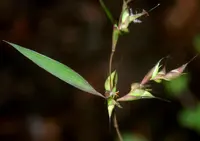
Creeping lily turf (Liriope spicata 'Silver Dragon') is a low-growing, grass-like perennial often used as a groundcover or edging plant. It spreads slowly by underground stems, forming dense, neat clumps.

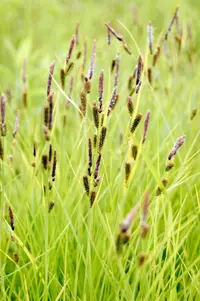
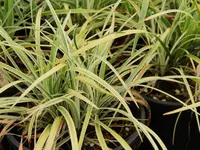
The narrow leaves are green with silvery-white striping, giving a bright, variegated look even in shaded spots. In late summer it can produce short spikes of small, pale flowers followed by dark berries.

This cultivar originates from garden selections of Asian Liriope species and is widely grown in temperate landscapes. It tolerates urban conditions, moderate foot traffic, and a range of soils, which makes it relatively easy to care for Creeping Lily Turf.

It generally prefers partial shade, consistent moisture, and well-drained soil but adapts to many typical garden situations.

Main Plant Requirements

Care Difficulty

Easy Care

Light Preference

Partial Shade

Water Requirements

Moderate Water

Temperature Preference

Cold Hardy

Hardiness Zone

4–10

Soil Texture

Sandy, Loamy, Clay

Soil pH

Acidic (5.5–6.5), Slightly acidic (6.5–7.0)

Soil Drainage

Moist but well-drained

Fertilization

Minimal (feed rarely)

Get Personalized Care Plan

Scan your plant to receive care tips personalized for your specific plant

Available on iOS and Android

How to Care for the Creeping Lily Turf

This plant grows best in bright, dappled conditions that balance light and shade across the day.

  • Provide 3–6 hours of sun, ideally morning sun with afternoon shade or filtered light under open trees, to keep foliage strong and variegation clear.
  • Tolerates partial to full shade, but in deep shade Creeping Lily Turf may grow thinner, with slower spread and less pronounced leaf striping.
  • In hotter regions, protect from intense afternoon sun to reduce leaf scorch and browning, especially during summer heat waves.

This plant prefers evenly moist but not saturated soil, supported by good drainage.

  • Allow the top 2–5 cm of soil to dry before watering; soil should feel slightly moist below the surface, not soggy or dust-dry.
  • Increase watering during the first growing season and in hot, dry periods; reduce frequency in cool, rainy weather and winter dormancy.
  • Watch for leaf yellowing, mushy crowns, or a sour smell as signs of overwatering, and browning leaf tips or curling as indicators of underwatering.

This groundcover is cold-hardy yet also tolerates summer heat when soil moisture is adequate.

  • Active growth is strongest around 60–80°F (16–27°C), with foliage staying greener and denser in these moderate temperatures.
  • Liriope spicata 'Silver Dragon' survives winter down to about -10°F (-23°C) in the ground, with foliage often burning but roots typically remaining alive.
  • Handles summer temperatures above 90°F (32°C) if soil does not dry out completely, but prolonged extreme heat with drought can cause leaf scorch and thinning.

This plant handles typical home humidity well, so humidity is rarely a concern.

This plant prefers loose, well-drained, moderately fertile soil for steady growth.

  • Use a loamy mix with 40–60% mineral content (garden soil or sand) and 40–60% organic matter such as compost or leaf mold.
  • Aim for slightly acidic to neutral pH, roughly 6.0–7.0, as Liriope spicata 'Silver Dragon' performs reliably in this range.
  • Improve drainage and aeration by incorporating coarse sand, fine bark, or perlite, especially in heavy or compacted soils.
  • Avoid waterlogged, poorly drained, or constantly saturated sites, which encourage root rot and weak, patchy clumps.

This species is well suited to container growing outdoors.

  • Select a wide, shallow to medium-depth pot to accommodate its running rhizomes and limit spreading into surrounding beds.
  • Choose a heavier material such as ceramic or thick-walled plastic to stabilize the arching foliage against wind.
  • Slightly elevate the pot on feet or bricks so drainage holes stay clear and runoff water can escape freely.

Liriope spicata 'Silver Dragon' benefits from modest, balanced feeding to support dense foliage and steady clump growth.

  • Apply a balanced slow-release fertilizer (around 10-10-10 NPK) in early spring as new growth starts.
  • Use a light topdressing of compost or leaf mold around the clumps to improve soil structure and nutrition.
  • Feed once more in midsummer if growth appears weak, using fertilizer at 1/2 label strength on moist soil.
  • Stop feeding Creeping Lily Turf in fall and winter, when growth slows and the plant is semi-dormant.

Liriope spicata 'Silver Dragon' responds well to light, seasonal pruning that refreshes foliage and maintains neat groundcover.

  • Cut back old foliage to 5–8 cm in late winter or very early spring before new leaves emerge.
  • Remove dead, discolored, or damaged leaves during the growing season using clean, sharp hand pruners or shears.
  • Thin out congested clumps during division to improve air flow and reduce disease risk.
  • Prompt removal of spent, unattractive flower spikes keeps the planting tidy but has little impact on flowering strength.

This plant is most often used as a groundcover, so transplanting clumps in the landscape is more common than container repotting.

  • Look for crowded clumps, bare centers, or slow growth as signs that Liriope spicata 'Silver Dragon' needs lifting and replanting.
  • Transplant or divide every 3–4 years in early spring or early fall, avoiding peak summer heat.
  • Dig around the clump to keep a generous root ball, then replant at the same depth in well-drained soil.
  • Water thoroughly after transplanting, keep soil evenly moist for 2–3 weeks, and shade briefly in hot, sunny sites to limit root stress.

This species is most commonly propagated by division, which keeps the variegated foliage true to type and produces uniform new plants.

  • Divide mature clumps in early spring or early fall, when temperatures are mild and soil is workable.
  • Lift the clump and gently tease or cut it into sections, each with several shoots and a healthy root mass.
  • Replant divisions immediately at the same depth in loose, well-drained soil, spacing 20–30 cm apart.
  • Water well and keep soil evenly moist for several weeks to support new root growth and establishment.

Liriope spicata 'Silver Dragon' is generally cold hardy in much of the US and needs only minimal winter attention in the ground.

  • In colder zones, apply a 5–7 cm mulch layer around the root zone after soil cools, keeping mulch off the crowns.
  • Allow foliage to experience normal frost; cut back tired leaves in late winter before regrowth begins.
  • For container plants in regions below about 0°F, move pots into a sheltered, unheated but frost-moderated space.

Care Tips

Edge Runner Spread

Install a shallow physical barrier 10–15 cm deep along beds or paths in late spring to direct the plant’s stolons and prevent it from invading lawns or nearby plantings.

Divide For Vigor

Every 3–4 years, lift and divide crowded clumps in early spring, replanting only the healthiest fans at the same depth to keep growth dense and reduce disease pressure.

Mulch To Stabilize

Apply a thin 2–3 cm layer of fine mulch around, but not over, the crowns to suppress weeds, reduce soil splash on leaves, and keep the variegation cleaner after rain.

Winter Foliage Refresh

In late winter, shear or cut back tattered foliage to 5–7 cm before new growth emerges so the fresh leaves are not scarred by old, dry blades.

Monitor Crown Rot

Inspect the plant bases a few times each season for soft, browning crowns and remove affected fans promptly, improving air flow and drainage to limit fungal rot when caring for Creeping Lily Turf.

Common Pests and Diseases

Anthracnose leaf spot

This disease causes tan to dark brown leaf spots that often merge into large dead patches, leading to blighted, thinning clumps. Symptoms include more damage in warm, humid weather and in dense groundcover plantings.

Solution

Remove and discard heavily spotted or blighted leaves to reduce inoculum, and avoid overhead watering to keep foliage dry. Improve spacing and air movement, clean up fallen debris, and if the problem is severe, use a labeled ornamental fungicide during warm, wet periods as part of overall Liriope spicata 'Silver Dragon' care instructions.

Pythium root and crown rot

This disease leads to sudden collapse of fans, yellowing foliage, and brown, mushy roots and crowns, often in poorly drained or overwatered sites. Symptoms include sections of a bed dying out while nearby plants remain healthy.

Solution

Dig out and discard affected clumps, including surrounding soil if it smells sour or stays saturated. Improve drainage, avoid frequent shallow watering, and replant only in well-drained, amended soil; in high-value plantings, a professional may recommend a targeted soil fungicide drench where legal and labeled.

Scale insects

These insects appear as small, immobile bumps on leaves or crowns and feed on sap, leading to yellowing, weakened foliage and sometimes sticky honeydew. This pest tends to build up on older, crowded plantings.

Solution

Prune out and discard the most infested leaves or sections, then wipe remaining leaves with a cloth dipped in mild soapy water or horticultural oil to loosen and smother scales. For larger beds, apply a labeled horticultural oil spray during mild weather, ensuring good coverage of crowns and leaf bases.

Crown rot (Sclerotium rolfsii)

This disease causes basal stem and crown decay, with plants yellowing, wilting, and pulling up easily due to rotted tissue at soil level. Symptoms include a white fungal mat and small round tan sclerotia at the crown or on nearby soil and debris.

Solution

Promptly remove and discard affected clumps and surrounding mulch to reduce survival structures, and avoid replanting susceptible species in the same exact spot. Improve drainage, reduce excess mulch around crowns, and keep irrigation off the foliage and crown area to limit infection.

Slugs and snails

These pests chew irregular holes and notches along leaf edges, often leaving shredded foliage and slime trails, especially in damp, shaded beds. This pest pressure increases where thick mulch or groundcovers provide hiding places.

Solution

Hand-pick slugs and snails in the evening, reduce dense mulch and debris that provide shelter, and use iron phosphate slug baits placed around but not directly on the clumps. Drip irrigation instead of overhead watering and improved air movement help keep the area drier and less attractive to these pests.

Interesting Facts

Stable variegation pattern

The pale silver-green striping on the leaves is genetically stable in this cultivar, so divisions taken from a mature clump reliably maintain the same variegation pattern rather than reverting to plain green foliage.

Rhizome-driven spread

Compared with many other Liriope cultivars, this plant spreads more aggressively by underground rhizomes, forming dense, soil-binding mats that are often used to stabilize gentle slopes and edges.

Shade-tolerant flowering

Despite its main use as a foliage groundcover, this cultivar still produces pale lilac flower spikes in late summer, even in relatively low-light garden positions where many ornamental grasses and strappy perennials fail to bloom.

FAQs about Creeping Lily Turf

This species spreads by underground stolons and can form dense mats over time. In favorable conditions it may crowd out weaker plants, so use edging, root barriers, or regular division if containment is important.

Grow Healthy Plants with Botan Care

Keep your plants happy and healthy with plant identification, disease detection, and easy care guidance.

Botan plant care app — identify plants on mobile

Explore More Plants