Allow Natural Spreading
Install a shallow root barrier or edging 20–30 cm deep if you want to contain rhizome spread, while still allowing clumps to expand enough to form a natural-looking stand.

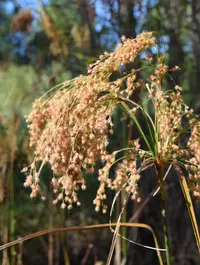
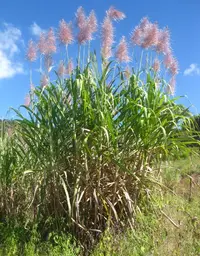
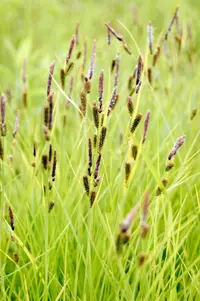
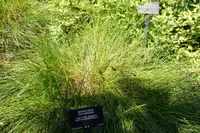
Woolgrass (Scirpus cyperinus) is a native North American wetland sedge-like plant, despite its common name suggesting a grass. It forms dense clumps with tall, upright stems and soft, woolly seed heads that give it a distinctive, textured look.
This species typically grows in marshes, pond edges, ditches, and other consistently moist or shallow-water sites. It is robust, cold-hardy, and spreads gradually, which makes it suitable for naturalized plantings and erosion control.
For those learning how to care for woolgrass, its main needs are steady moisture, full sun to light shade, and rich, organic soil. It is generally low-maintenance once established in the right conditions.

Care Difficulty
Easy Care

Light Preference
Full Sun

Water Requirements
Aquatic

Temperature Preference
Cold Hardy

Hardiness Zone
3–9

Soil Texture
Loamy, Silty, Organic-rich

Soil pH
Acidic (5.5–6.5), Slightly acidic (6.5–7.0)

Soil Drainage
Waterlogged tolerant

Fertilization
Minimal (feed rarely)
Scan your plant to receive care tips personalized for your specific plant
Available on iOS and Android
Scirpus cyperinus thrives in open, bright sites typical of wetlands and pond margins.
This wetland sedge prefers consistently saturated conditions rather than alternating wet and dry cycles.
This species is a cold-hardy wetland plant that tolerates wide outdoor temperature swings.
This wetland species prefers very moist air but adapts to typical outdoor humidity in most regions.
This species thrives in saturated, organic, pond-edge type substrates rather than typical garden soil.
This plant can grow in containers if the setup keeps roots constantly wet and well-anchored.
Scirpus cyperinus usually grows well in nutrient-rich, wet soil but benefits from light feeding in managed plantings.
Pruning Scirpus cyperinus is mainly done to keep clumps tidy and support fresh growth.
Transplanting this wetland sedge focuses on managing spreading clumps rather than frequent repotting.
Scirpus cyperinus is commonly propagated by division or seeds, depending on site goals.
This species is cold hardy in much of its native range and usually needs minimal winter care.

Plant Health Check
Not sure what's wrong with your plant? Check your plant's health inside the app.
Mature flower clusters expand into dense, woolly masses of silky hairs that surround the seeds, which inspired the common name woolgrass even though it is actually a sedge, not a true grass.
This plant is strongly associated with marshes, pond margins, and wet meadows, where its dense, fibrous root system helps stabilize saturated soils and slow shoreline erosion.
Its tall, clumping stems and thick inflorescences provide cover and nesting material for birds and small mammals, while the seeds are eaten by various wetland bird species.

This species is considered a facultative wetland plant in much of eastern North America, meaning it occurs most often in wetlands but can sometimes persist in ditches, wet pastures, and other disturbed sites where soil remains periodically saturated.
This species spreads by both seed and short rhizomes, forming dense clumps over time. In wet, rich soils it can expand quickly, so gardeners should allow space and remove unwanted seedlings at the edges.
Keep your plants happy and healthy with plant identification, disease detection, and easy care guidance.