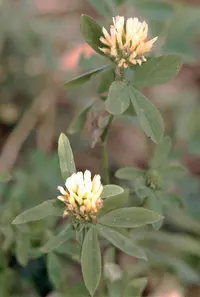
smooth-stalked sedge Care (Carex laevigata)

smooth-stalked sedge

About smooth-stalked sedge

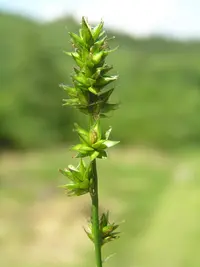
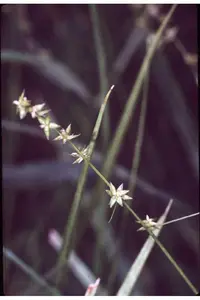
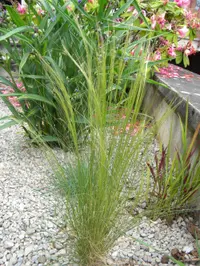
Smooth-stalked sedge (Carex laevigata) is a clump-forming, grass-like perennial from damp woodlands and stream margins in western and central Europe. It has narrow, arching green leaves and smooth, slender stems that carry small, understated flower spikes. The plant naturally forms low, soft-looking tussocks that suit informal, woodland-style gardens and pond edges. It stays relatively compact and tidy, which makes it easier to integrate into mixed plantings. In cultivation it prefers consistently moist soil, partial shade, and cool conditions, so gardeners who understand how to care for smooth-stalked sedge usually find it reliable and low maintenance.

Main Plant Requirements

Care Difficulty

Easy Care

Light Preference

Partial Shade

Water Requirements

Keep Soil Moist

Temperature Preference

Cold Hardy

Hardiness Zone

5–8

Soil Texture

Loamy, Silty, Organic-rich

Soil pH

Acidic (5.5–6.5), Slightly acidic (6.5–7.0)

Soil Drainage

Moist but well-drained

Fertilization

Minimal (feed rarely)

Get Personalized Care Plan

Scan your plant to receive care tips personalized for your specific plant

Available on iOS and Android

How to Care for the smooth-stalked sedge

This moisture-loving sedge prefers cool, soft light rather than intense direct sun.

  • Provide bright dappled shade or light shade, with 1–3 hours of gentle morning sun and no harsh afternoon sun in most climates.
  • Site smooth-stalked sedge where it receives filtered light under shrubs or open trees; full shade slows growth and can cause thin, floppy foliage.
  • In hotter regions, protect from strong sun, which can scorch leaves and dry the soil quickly; in cooler coastal areas, brief early or late-day sun is usually tolerated.

This sedge naturally grows in wet habitats and prefers consistently moist soil.

  • Maintain soil that feels evenly moist to the touch; do not let the top 2–3 cm fully dry, especially during active growth.
  • In spring and summer, increase watering so the root zone never dries out, using extra water during hot, windy periods that speed evaporation.
  • Watch for underwatering signs such as curling or browning leaf tips, and overwatering signs such as sour odor or slimy roots in poorly drained spots.

This hardy sedge tolerates cool conditions but grows best in moderate temperatures.

  • Optimal growth occurs around 50–70°F (10–21°C), with steady moisture supporting healthy foliage in this range.
  • The plant typically survives winter lows near 5–10°F (-15 to -12°C) when established in the ground and mulched lightly.
  • Heat above 85°F (29°C) is tolerated if soil stays consistently moist; prolonged hot, dry periods can cause leaf tip browning and slower growth.

This sedge prefers consistently moist air but usually adapts to typical outdoor humidity in temperate climates.

  • Aim for 50–80% humidity, especially when grown in sheltered or partially enclosed spaces.
  • It tolerates brief drier spells but edges may brown if air stays very dry with low soil moisture.
  • Humidity stress shows as crisp leaf tips and slowed growth; increase moisture by grouping pots and keeping soil evenly damp without waterlogging.

This species thrives in moist, organic-rich soil that stays damp but not stagnant.

  • Use a loamy, high-organic mix such as 2 parts peat-free compost, 1 part garden loam, 1 part leaf mold for Carex laevigata.
  • Soil should drain slowly yet steadily; avoid gravel-heavy or sharply draining sandy mixes that dry out between waterings.
  • Target a slightly acidic to neutral pH of about 5.5–7.0, avoiding strongly alkaline sites that can limit nutrient uptake.
  • Improve aeration without losing moisture by blending in fine bark or coco coir rather than coarse grit, which can over-dry the root zone.

This species is suitable for container growing, especially in wet or bog-style pots on patios or balconies.

  • Choose a wide, moderately deep container to allow its clumping, spreading roots to form a stable, moisture-holding mass.
  • Use a pot with drainage holes but place it in a tray that can hold a shallow water layer to maintain consistently damp conditions.
  • Select heavier materials such as ceramic or clay to keep the container stable when foliage becomes dense and wind-exposed.

Carex laevigata benefits from light feeding but grows acceptably in modest soils.

  • Apply a balanced slow-release fertilizer (around 10-10-10) at half strength once in early spring to support new growth.
  • In richer garden soil, use a thin layer of compost instead of granular fertilizer to maintain steady nutrients.
  • During the main growing season, 1–2 light feedings are usually enough for smooth-stalked sedge in average conditions.
  • Stop fertilizing in late summer and avoid feeding in winter dormancy to prevent weak, soft growth.

Carex laevigata responds well to light pruning that focuses on cleanliness rather than reshaping.

  • Best timing is late winter to very early spring, before strong new growth begins.
  • Use clean hand shears to remove dead, browned, or damaged leaves at the base.
  • Thin crowded or tangled clumps by cutting out older sections to maintain airflow and a neat, fountain-like shape.
  • Avoid cutting into the crown; instead, trim leaf tips lightly if edges are ragged from weather exposure.

This sedge is more often transplanted in garden beds than repotted long-term in containers.

  • Look for tight, congested clumps, slow growth, or roots circling the pot as signs that Carex laevigata needs more space.
  • Transplant or divide in early spring or early fall when temperatures are mild and soil moisture is reliable.
  • In containers, move to a pot 2–5 cm wider every 2–3 years using moisture-retentive, well-drained mix.
  • Reduce root stress by watering the plant well before moving, handling the root ball gently, and keeping soil evenly moist afterward.

Carex laevigata is most commonly propagated by division, with seed used less often in gardens.

  • Divide established clumps in early spring or early fall when growth is not at its peak.
  • Lift the clump, then split it into sections with several shoots and healthy roots per division.
  • Replant divisions at the same depth in moist, well-drained soil and water thoroughly to settle roots.
  • For seeds, sow fresh in cool, moist conditions outdoors or in a cold frame to support natural germination.

Carex laevigata is generally cold hardy and needs only minimal winter care in most temperate gardens.

  • Tolerates typical light to moderate frosts once established, especially in consistently moist soil.
  • Apply a 3–5 cm layer of leaf mold or compost mulch around the base in late fall to buffer root temperature.
  • Container plants benefit from being placed in a sheltered spot or plunged into the ground to reduce root freezing.

Care Tips

Edge containment

In garden beds, sink a 15–20 cm deep plastic or metal barrier around clumps to prevent rhizomes from creeping into adjacent plantings while still allowing natural spread within the designated area.


Mulch for cool roots

Apply a 3–5 cm layer of fine bark or leaf mold around the base each spring to keep roots cool, suppress weeds, and maintain the evenly moist conditions this sedge prefers without smothering the crown.

Division for vigor

Every 3–4 years, lift and divide overcrowded clumps in early spring, replanting only the youngest, healthiest sections to maintain dense, fresh-looking growth and reduce fungal problems from poor air circulation.

Streamside stabilization

Along ponds or slow streams, plant in staggered rows and space clumps 25–35 cm apart so the root systems interlock and help stabilize damp soil banks against erosion.

Winter structure management

In colder regions, leave foliage standing through winter to protect crowns and provide habitat, then cut back old leaves to just above the new growth tips in late winter to keep caring for smooth-stalked sedge efficient and tidy.

Common Pests and Diseases

Rust

This disease causes small orange, brown, or black pustules on the leaves, often leading to early yellowing and decline of the clump in damp, shaded sites.

Solution

Remove and dispose of heavily infected leaves, avoid overhead watering, and thin surrounding vegetation to improve air movement; in persistent cases, apply a labeled ornamental grass fungicide during periods of warm, humid weather as part of broader Carex laevigata care instructions.

Leaf spot

This disease produces water-soaked, tan to dark-brown spots that can merge into larger dead patches on older foliage, especially in crowded, wet plantings.

Solution

Cut back and discard affected foliage, space plants to reduce leaf-on-leaf contact, irrigate at soil level in the morning, and consider a preventative fungicide spray if leaf spot recurs each growing season.

Aphids

These insects cluster on young shoots and undersides of leaves, sucking sap and causing distortion, sticky honeydew, and sometimes sooty mold growth on the foliage.

Solution

Rinse colonies off with a firm stream of water, encourage natural predators such as lady beetles, and if populations remain high, treat new growth with insecticidal soap or a horticultural oil, repeating as needed according to label directions.

Leatherjackets

These pests are the larvae of crane flies and can chew on the roots and crowns of sedges in wet lawns or meadow plantings, leading to thinning patches and weak growth.

Solution

Reduce overly wet, compacted conditions, encourage birds and other predators, and, where damage is severe, use a targeted biological control such as beneficial nematodes applied to moist soil in the evening.

Slugs and snails

These pests feed on tender leaf edges and new shoots, leaving irregular holes and slime trails, particularly in cool, damp, shaded gardens.

Solution

Hand-pick at night or early morning, reduce dense debris around clumps, use barriers or traps, and, if needed, apply an iron phosphate-based slug bait placed around but not in direct contact with the plant crowns.

Interesting Facts

Wet woodland specialist

This sedge is strongly associated with alder and willow carr, thriving on constantly moist, often slightly acidic soils in shaded woodland floodplains across western and central Europe.

Smooth, three-sided stems

Its stems are distinctly three-angled but unusually smooth to the touch compared with many other sedges, a feature reflected in the species name laevigata, which means smooth.

Indicator of stable moisture

Natural populations often indicate long-term, stable groundwater conditions, so botanists use its presence to help characterise ancient wet woodlands and undisturbed streamside habitats.

Botan icon

Did you know?

In parts of its range, this species forms extensive clonal patches through creeping rhizomes, creating dense ground layers that can persist for decades in the same wet woodland or streamside site when hydrology remains undisturbed.

FAQs about smooth-stalked sedge

This species is semi-evergreen in many mild climates, keeping most foliage through winter but sometimes thinning or browning at the tips. In colder areas it may partially die back, then regrow fresh leaves in spring.

Grow Healthy Plants with Botan Care

Keep your plants happy and healthy with plant identification, disease detection, and easy care guidance.

Botan plant care app — identify plants on mobile

Explore More Plants